

As winter approaches, we often focus on keeping the inside of our homes warm. But what about the parts that face the brunt of the cold and snow? We need to think about protecting our homes from the outside in. This means looking at things like our foundations and how water might get in. Taking steps now can save us a lot of trouble later, like dealing with damp basements or ice buildup. Let’s go over some simple ways we can get our homes ready for the colder months.
Key Takeaways
- We should check our foundations for any cracks before winter hits. Small problems can become big ones when water freezes and expands.
- Proper basement waterproofing is a good idea to stop water from getting into our lowest level, especially when the ground is wet and cold.
- We need to seal up any gaps around windows and doors, and also check our roofs for ice dams to prevent leaks and water damage.
Protecting Your Foundation From Winter’s Chill
As the temperatures drop, our homes need a bit more attention, especially when it comes to the foundation. We often think about the roof or the heating system, but the foundation is just as important, if not more so, for keeping moisture out during the cold months. Water that freezes and thaws can cause real problems.
Understanding Foundation Cracks and Water Intrusion
We’ve all seen those hairline cracks in concrete. Sometimes they’re just cosmetic, but other times, they’re an open invitation for water. When winter hits, any moisture that seeps into these cracks can freeze. As water freezes, it expands, and this expansion puts pressure on the concrete. Over time, this freeze-thaw cycle can make small cracks much bigger. This is how water gets into our basements and crawl spaces, leading to dampness, mold growth, and even structural damage. It’s not just about the water itself; it’s about the damage that repeated freezing and thawing can do.
- Inspect your foundation regularly for any new cracks or widening of existing ones.
- Pay attention to areas where water tends to pool around your home after rain or snowmelt.
- Consider professional assessment if you notice significant cracking or signs of water entry.
The Importance of Basement Waterproofing Before Freezing Temperatures
Getting ahead of winter’s moisture is key. Before the ground freezes solid, it’s the best time to think about waterproofing your basement or crawl space. This isn’t just about making things look nicer; it’s a practical step to prevent costly repairs down the line. A well-waterproofed foundation acts as a barrier against the water that will inevitably try to find its way in.
Taking proactive steps now can save us a lot of headaches and expense when the snow starts to fly and the thaw begins.
Here are a few things we should consider:
- Exterior Waterproofing: This involves excavating around the foundation and applying a waterproof membrane. It’s more involved but offers robust protection.
- Interior Waterproofing: Systems like sump pumps and interior drainage channels can manage water that does get in, directing it away from living spaces.
- Grading: Making sure the ground around your house slopes away from the foundation is a simple but effective way to keep surface water from collecting.
Addressing these areas before the deep freeze sets in is a smart move for any homeowner looking to keep their property dry and sound.
Sealing Entry Points for a Dry Home
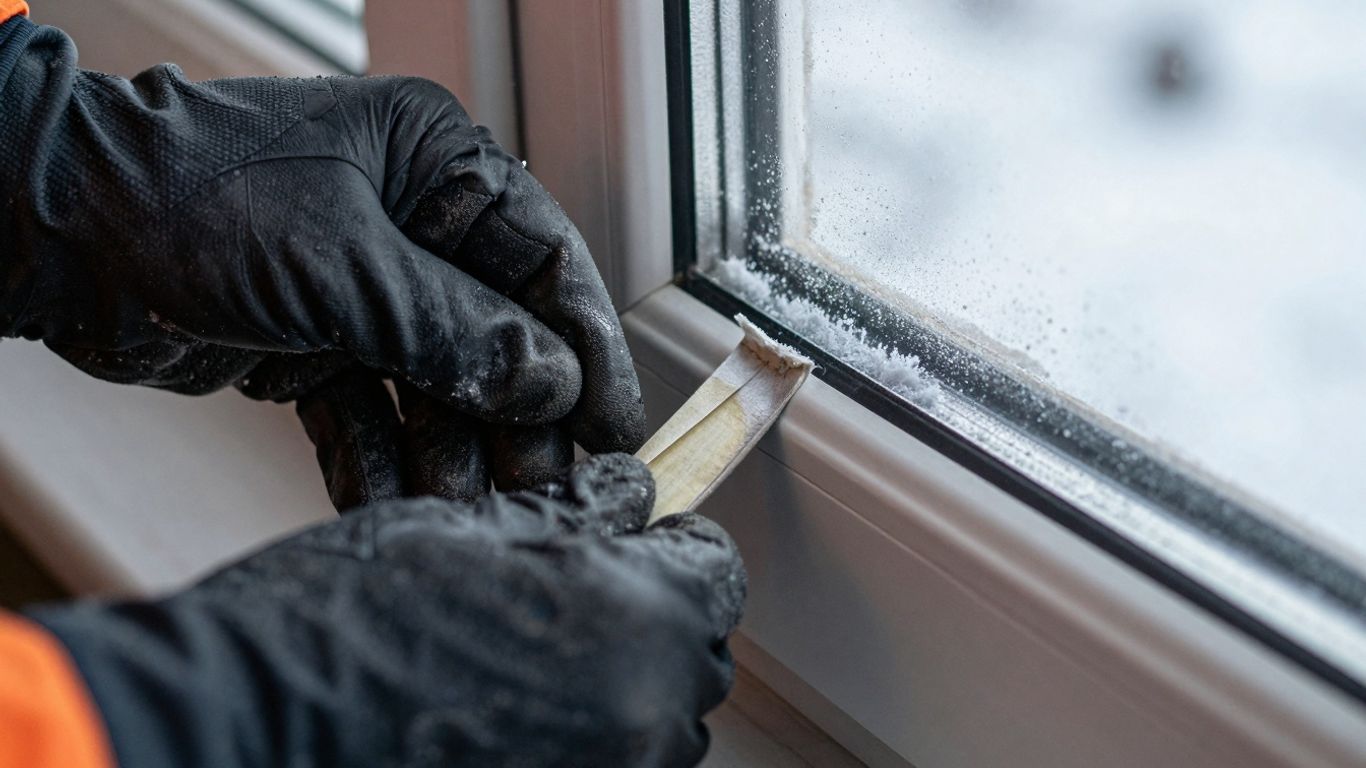
As the temperatures drop, we need to pay close attention to all the little ways the cold can sneak into our homes. It’s not just about keeping the heat in; it’s also about keeping unwanted moisture out. Think of your house like a fortress – we need to seal up any weak spots before winter really sets in.
Addressing Gaps Around Windows and Doors
We often overlook the spaces around our windows and doors, but these are prime spots for drafts and, more importantly, moisture. When cold air gets in, it can carry moisture with it, and when that moisture meets warmer indoor air, condensation can form. Over time, this can lead to mold and mildew, especially in hidden areas.
- Check for drafts: Run your hand around the edges of your windows and doors on a windy day. If you feel a chill, that’s a sign that air is getting through.
- Inspect weatherstripping: This is the rubber or foam material that seals the gap between the door or window and its frame. If it’s cracked, brittle, or missing in places, it needs to be replaced.
- Caulking is your friend: For small gaps and cracks around window frames and door frames where they meet the exterior wall, caulk is the answer. Make sure you use an exterior-grade caulk that can handle temperature changes.
We found that replacing worn-out weatherstripping on our back door made a noticeable difference in how warm the kitchen stayed. It was a simple fix, but it really worked.
Preventing Ice Dams and Roof Leaks
Ice dams are a common winter headache, and they happen when snow melts on your roof and then refreezes near the edge. This creates a dam that can force water back up under your shingles, leading to leaks inside your attic and walls. It’s a problem that can cause a lot of damage if we don’t address it.
- Proper attic ventilation: This is key. Good ventilation helps keep the roof deck cold, preventing snow from melting unevenly.
- Insulate your attic floor: Make sure there aren’t any warm air leaks from your living space into the attic. This is often where heat escapes and causes the snow to melt.
- Clear gutters and downspouts: Clogged gutters can trap water, which then freezes and contributes to ice dam formation. We need to make sure they are clear of leaves and debris before the heavy snows arrive.
Keeping an eye on your roof and attic is just as important as sealing up your doors and windows. A little preventative work now can save us a lot of trouble and expense down the road when the snow starts to pile up.
We should also consider adding a drip edge to the roof’s edge if we don’t have one. This metal flashing helps direct water away from the fascia and into the gutters, providing an extra layer of protection against water intrusion.
Wrapping Up Our Winter Prep
So, we’ve gone over why getting our homes ready for winter is a good idea, especially when it comes to stopping water problems before they start. It might seem like a lot of work, but taking these steps now can save us headaches later. Think about it: less chance of mold, fewer repairs, and a more comfortable house all season long. We’ve talked about checking seals, looking at insulation, and making sure our drainage is clear. Doing these things isn’t just about keeping the cold out; it’s about protecting our homes from the dampness that winter can bring. Let’s make sure we get this done so we can relax and enjoy the season without worrying about water damage.
Frequently Asked Questions
Why is it important to check our foundation before winter arrives?
We need to make sure our foundation is strong and ready for the cold. When the ground freezes and then thaws, it can push against the foundation. If there are small cracks, water can get in, freeze, and make those cracks bigger. This can lead to bigger problems down the road, so it’s best to fix any small issues now.
What are ice dams, and how can we stop them from forming?
Ice dams are ridges of ice that build up on the edge of our roof. They happen when heat from our house escapes and melts snow on the roof, which then refreezes at the colder edge. This can cause water to back up under our shingles and leak into our home. We can prevent them by making sure our attic is well-insulated and that there’s good airflow to keep the roof cold.
How can sealing up gaps around our doors and windows help in winter?
Sealing these small openings is a simple but effective way to keep our homes warm and dry. It stops cold air from sneaking in and warm air from escaping, which helps lower our heating bills. More importantly, it prevents moisture from getting inside, which can lead to mold or mildew, especially when it’s damp outside.
Recent Comments