

As winter approaches here in Louisville, we know that keeping our homes dry is a big concern. Cold weather brings its own set of water problems, and if we aren’t careful, moisture can find its way into our foundations and basements. We want to help you get ahead of any potential issues. This article will go over some simple steps we can take to protect our homes from winter water damage, focusing on practical ways to keep things dry and secure.
Key Takeaways
- We should check our home’s foundation for any weak spots where water might get in. Good foundation waterproofing in Louisville can stop a lot of problems before they start.
- Keeping our gutters clean and making sure our yards slope away from the house helps a lot with drainage, especially when snow melts.
- Inside, we need to make sure our sump pumps are working right and seal up any cracks we find in basement walls or floors.
Protecting Your Louisville Foundation From Winter Moisture
Winter in Louisville can bring a lot of wet weather, and that moisture can be a real problem for our home foundations. We need to think about how water gets in and what we can do to stop it before it causes damage. A strong, dry foundation is key to a healthy home.
Understanding Common Water Intrusion Points
Water doesn’t just magically appear in our basements. It usually finds its way in through specific spots. We’ve seen a few common culprits around here:
- Cracks in the foundation walls: Even small hairline cracks can let in a surprising amount of water, especially when the ground freezes and thaws.
- Gaps around pipes and utility lines: Where pipes or wires enter the house, there can be small openings that water can seep through.
- Poorly draining soil: If the ground around your foundation slopes towards the house, water will naturally pool there.
- Window wells: If these aren’t properly drained, they can fill up with water and push it through basement windows.
We often forget that the ground around our homes can hold a lot of water, especially after heavy rains or snowmelt. This water can then put pressure on our foundation walls, looking for any weak spot to get inside.
Essential Foundation Waterproofing Louisville Techniques
Dealing with foundation moisture requires a few different approaches. We’ve found that a combination of methods works best for keeping our Louisville homes dry:
- Exterior Waterproofing Membranes: This involves applying a waterproof barrier to the outside of the foundation walls. It’s a more involved process, often requiring excavation, but it’s very effective at stopping water before it even reaches the foundation.
- Interior Drainage Systems: If exterior work isn’t feasible, we can install systems inside the basement. These typically involve a trench around the perimeter of the basement floor that collects water and directs it to a sump pump.
- Crack Injection: For existing cracks, we can inject special materials into them to seal them up. This is a good way to address specific problem areas without major excavation.
- Improving Soil Grading: Making sure the ground slopes away from your foundation is a simple but important step. It helps direct surface water away from the house naturally.
Exterior Measures for Winter Water Defense
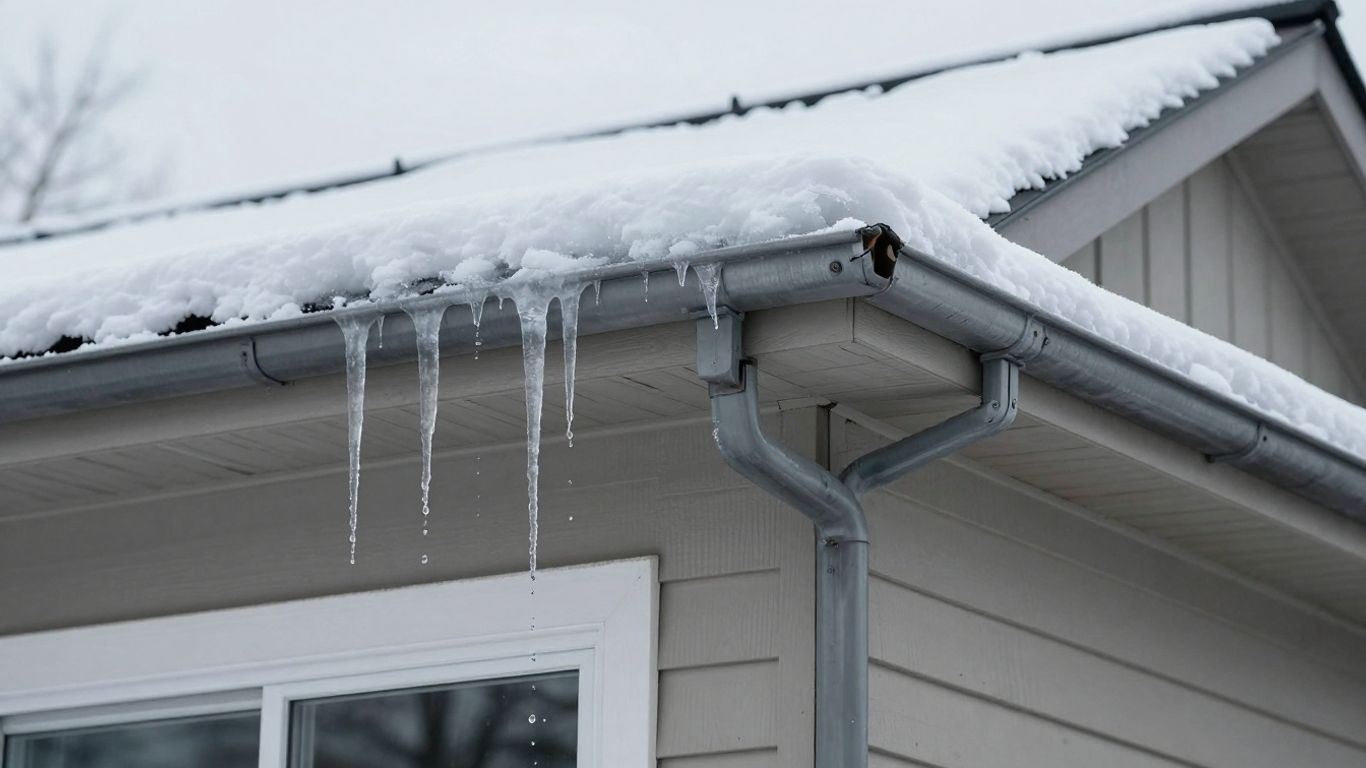
Winter in Louisville can bring a lot of moisture, and if we aren’t careful, it can find its way into our homes. We need to think about what’s happening outside our houses that could lead to water problems later. It’s not just about the snow melting; it’s about how water moves around our property when it gets cold.
Gutter and Downspout Maintenance
Our gutters and downspouts are the first line of defense against water buildup around our homes. If they’re clogged with leaves, ice, or debris, water can back up and spill over the sides. This overflow then pools right next to our foundation, which is exactly what we don’t want.
- Clear out any leaves and debris from your gutters. This is a job we should do before the first freeze, and maybe again in late fall.
- Check that downspouts are clear and directing water away from the house. We want them to extend at least 5-10 feet from the foundation.
- Look for any loose or damaged sections of the gutter system. A small leak now can become a big problem when ice forms.
We found that a simple inspection can save a lot of headaches. Last year, we noticed one of our downspouts wasn’t draining properly. After clearing out a blockage of packed leaves and ice, we saw a huge difference in how water flowed away from the house. It’s a small task that makes a big impact.
Landscaping for Drainage
The way our yard slopes can make a big difference in where water ends up. We want the ground around our foundation to slope away from the house, not towards it. This is sometimes called grading.
- Add soil to low spots near the foundation to create a gentle slope. We’re aiming for about a 6-inch drop over the first 10 feet away from the house.
- Make sure garden beds and landscaping features aren’t blocking water flow or holding moisture against the foundation walls.
- Consider planting shrubs and trees a good distance from the house. Their roots can sometimes affect drainage, and they can hold onto moisture.
Proper grading is often overlooked, but it’s a simple fix that can prevent a lot of water from ever reaching our basement walls in the first place. It’s about guiding the water where we want it to go, away from our homes.
We should also think about any hardscaping, like patios or walkways. If they slope towards the house, they can channel water right to the foundation. Adjusting these or adding drainage channels might be necessary.
Interior Strategies for a Dry Basement
Even with the best exterior defenses, water can sometimes find its way into our basements. Winter’s freeze-thaw cycles can create new pathways for moisture, and old ones can widen. We need to be ready inside our homes, too. A dry basement isn’t just about comfort; it’s about protecting our home’s structure and preventing mold growth.
Sump Pump Readiness
Our sump pump is like the basement’s first responder when it comes to water. If you have one, now’s the time to make sure it’s in good working order. We’ve seen too many times where a heavy rain or snowmelt overwhelms a neglected pump. A functioning sump pump is your best defense against basement flooding.
Here’s what we recommend checking:
- Test the pump: Pour a bucket of water into the sump pit. The pump should turn on, clear the water, and shut off. If it doesn’t, it’s time for a service call.
- Check the discharge line: Make sure it’s clear of debris and that the end isn’t frozen or blocked. Water needs a place to go, and a blocked line means it’s just going to back up.
- Inspect the float switch: This is what tells the pump when to turn on. Ensure it moves freely and isn’t stuck.
- Consider a battery backup: Power outages can happen, especially during winter storms. A battery backup system can keep your pump running if the electricity goes out.
We often forget about the sump pump until it’s too late. A little bit of preventative maintenance now can save us a lot of headaches and costly repairs down the road. It’s a simple step that makes a big difference.
Sealing Interior Cracks and Gaps
Sometimes, water seeps in through tiny openings in the foundation walls or floor. These might be hairline cracks that appeared over time or gaps around pipes that enter the basement. We need to seal these up before they become bigger problems.
- Identify the entry points: Walk around your basement, especially after a rain or snowmelt, and look for any damp spots or visible cracks. Pay attention to where pipes or wires enter the foundation.
- Choose the right sealant: For small cracks, a good quality hydraulic cement or epoxy injection kit can work well. For larger gaps or areas around pipes, a flexible polyurethane caulk designed for masonry is often a good choice.
- Proper application: Follow the product instructions carefully. This usually involves cleaning the area, applying the sealant, and allowing it to cure fully. Properly sealing these small openings prevents water from entering and causing further damage.
We’ve found that even small, seemingly insignificant cracks can let in a surprising amount of water when the ground is saturated or during a thaw. Taking the time to seal them up is a practical step for keeping our basements dry all winter long.
Wrapping Up Our Winter Prep
So, we’ve gone over a few ways to get our homes ready for the cold and wet weather heading our way in Louisville. Taking these steps now can really make a difference when the snow and ice hit. It might seem like a lot, but tackling these waterproofing tasks bit by bit makes it manageable. We hope these tips help you keep your home dry and comfortable all winter long. Don’t wait until the first freeze to think about it; a little preparation goes a long way.
Frequently Asked Questions
Why is it important to keep our foundation dry during winter?
When winter arrives in Louisville, the cold can cause water to freeze and expand. If water gets into cracks in our foundation, this freezing and thawing cycle can make those cracks bigger over time. Keeping our foundation dry helps prevent this damage and keeps our home strong.
What are the easiest ways we can check our gutters and downspouts for winter?
Before the snow and ice hit, we should make sure our gutters are clear of leaves and debris. This allows melting snow and ice to flow away from our house instead of pooling around the foundation. We also need to check that our downspouts are directing water far enough away from the house, ideally at least 5 to 10 feet.
If we notice water in our basement even after taking precautions, what should we do?
If we find water in our basement despite our best efforts, it’s important to act quickly. We should first check if our sump pump is working correctly and if its discharge line is clear. Then, we’ll want to look for any new cracks or openings in the basement walls or floor where water might be getting in and consider sealing them up.
Recent Comments