

As winter weather sets in, the cold temperatures and frozen ground can put a strain on our homes. We often don’t think about our foundations until something goes wrong, but the winter months can reveal some common foundation settlement signs. We want to help you spot these issues early, before they become bigger problems. Let’s look at what to watch for around your house this season.
Key Takeaways
- Keep an eye out for cracks that show up in your walls or ceilings. These can be early indicators that your foundation is shifting.
- Notice if your doors and windows start to stick or don’t close like they used to. This often happens when the house’s frame warps due to foundation movement.
- Check the outside of your home for issues like a chimney pulling away from the house or floors that feel uneven. These are clear foundation settlement signs that need attention.
Visible Foundation Settlement Signs
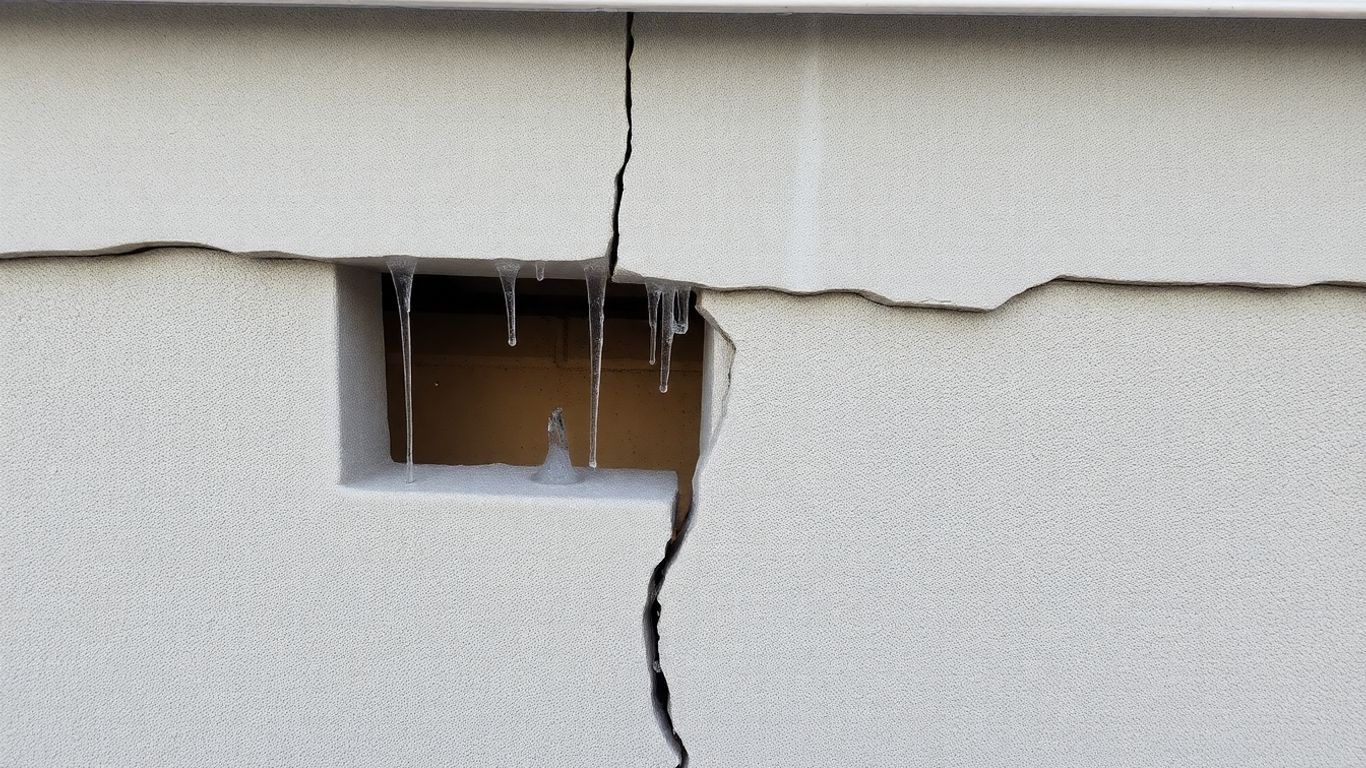
When winter weather hits, our homes can show us signs that the foundation might be shifting. We often don’t think about our foundations until something goes wrong, but keeping an eye out for these common issues can save us a lot of trouble down the road. These aren’t just cosmetic problems; they can point to deeper structural concerns.
Cracks Appearing In Walls And Ceilings
We’ve all seen them – those thin lines that start to show up on our drywall. In the winter, temperature swings and the freeze-thaw cycle can put a lot of stress on a house. This stress can cause the ground around your foundation to expand and contract, and if it moves unevenly, your foundation can shift too. This movement often translates into cracks. We might see them near door frames, window frames, or even running across the middle of a wall or ceiling. They can start small, like a hairline crack, but sometimes they grow wider over time. It’s important to note the size and location of these cracks. Are they just in one spot, or are they appearing in multiple places? Are they horizontal, vertical, or stair-step shaped?
- Hairline cracks: Often superficial, but worth monitoring.
- Wider cracks (over 1/8 inch): These are more concerning and suggest more significant movement.
- Stair-step cracks: Typically found in brick or block walls, indicating uneven settling.
We tend to ignore small cracks, thinking they’re just part of an older home. But when they start to appear or widen noticeably during the colder months, it’s a signal we shouldn’t dismiss. It’s our house telling us something might be up with its base.
Doors And Windows That Stick Or Won’t Close Properly
Another common sign we might notice is that our doors and windows start to behave strangely. Maybe a door that used to swing open and shut with ease now scrapes against the floor or the frame. Or perhaps a window that was always easy to open suddenly feels jammed. This is often because the frame itself is no longer square. As the foundation settles unevenly, it can twist the framing of the house, throwing off the alignment of doors and windows. We might find ourselves having to push or pull harder to get them to close, or they might leave a gap that lets in cold drafts – a very unwelcome guest in winter.
Here’s what to look for:
- Doors that drag on the floor or frame.
- Windows that are difficult to open or close.
- Gaps appearing between the door or window and its frame.
- Locks that no longer line up properly, making it hard to secure them.
If we find ourselves having to shim doors or force windows shut, it’s a good indicator that the house’s structure might be shifting. This isn’t just an annoyance; it’s a sign that the very structure holding everything up could be compromised.
Exterior Indicators Of Foundation Settlement
When we think about foundation problems, we often picture cracks inside the house. But a lot of the time, the first signs show up outside. It’s easy to overlook these, especially when we’re just rushing in and out, but they can tell us a lot about what’s happening below ground. Winter’s freeze-thaw cycles can really make these issues more obvious.
Chimney Separation From The House
Our chimneys are built as separate structures, but they’re attached to the main house. If the foundation under the house settles more than the foundation under the chimney, or vice versa, we might see a gap forming. This can look like a crack where the chimney meets the house, or the whole chimney might start to lean away. It’s a pretty clear sign that something’s shifting. We’ve seen this happen quite a bit, and it’s not just cosmetic; it can affect the chimney’s structural integrity and how well it vents smoke.
Uneven Floors And Sloping
Inside, we might notice doors sticking, but outside, we can sometimes see the effects on the ground itself. If the soil around the foundation is settling unevenly, it can cause the ground to slope away from the house in some areas and maybe even pool water. This unevenness can also translate to the floors inside. You might feel like you’re walking downhill in certain rooms, or notice that furniture doesn’t sit quite level anymore. It’s not always dramatic, sometimes it’s just a subtle tilt that you might not notice unless you’re really paying attention.
Here are some things to look for:
- A visible gap between the chimney and the exterior wall of your home.
- The chimney appearing to lean or tilt away from the house.
- Water pooling near the foundation after rain or snowmelt, indicating a slope.
- A noticeable slant or tilt to the floors inside your home.
We often think of foundation settlement as a slow, gradual process, but winter’s extreme temperature swings can accelerate it. The ground freezes, expands, and then thaws and contracts, putting stress on the foundation. This constant push and pull can lead to noticeable shifts that might not have been apparent during milder seasons.
Wrapping Up: What to Do Next
So, we’ve gone over some of the common signs that might mean your home’s foundation is settling, especially when the weather gets cold. It’s easy to see a crack and just think, ‘Oh, that’s just winter,’ but sometimes it’s more than that. If you’re noticing a few of these things happening around your house – like doors sticking, new cracks appearing in walls or ceilings, or floors feeling uneven – it’s probably a good idea to get a closer look. Don’t just ignore it and hope it goes away. We suggest calling in a professional to check things out. They can tell you for sure if it’s a problem and what needs to be done. Better safe than sorry when it comes to your home’s structure, right?
Frequently Asked Questions
Why does our house’s foundation start to sink in the winter?
During winter, the ground around our home can freeze and then thaw. When the water in the soil freezes, it expands, pushing the foundation upward. As it thaws, the soil can become loose and watery, causing the foundation to sink. This up-and-down movement, called frost heave, can lead to problems over time.
What are some signs inside our house that tell us the foundation might be settling?
We should look for cracks that show up on our walls or ceilings. Sometimes, doors and windows might start to feel sticky or become hard to open and close. If we notice these changes, it could mean the house’s base is shifting.
Are there any clues outside our house that suggest foundation settlement?
Yes, we can check a few things. If we see a gap between our chimney and the main part of the house, that’s a red flag. Also, if the floors inside our home feel like they’re tilting or not level anymore, it’s another sign that the foundation might be settling.
Recent Comments