

Why September Is the Right Time for a Waterproofing Inspection in Louisville, KY
September in Louisville has a way of feeling like two seasons at once. We still get warm, humid afternoons, but cooler nights start settling in. Late-summer storms can roll through quickly, and as fall approaches, leaves begin collecting in gutters, drains, window wells, and along foundation walls. For homeowners, that makes autumn one of the smartest times of year to schedule a waterproofing inspection.
At Permajack of Louisville, we know that water problems rarely start as emergencies. More often, they begin as small warning signs: a musty basement smell, a damp spot near a wall, a sump pump that runs more often than it should, or a hairline crack that seems to get worse after every heavy rain. September gives homeowners a practical window of time to find those issues before the colder, wetter months arrive.
Key Takeaways:
- Schedule a waterproofing inspection in early autumn to catch basement or crawlspace moisture issues before winter weather arrives.
- Check gutters, downspouts, grading, sump pumps, and visible foundation cracks after September storms in Louisville.
- Address small leaks and drainage problems now to help reduce the risk of costly foundation and water damage later.
- Choose a local waterproofing and foundation repair team that understands Louisville’s soil, weather patterns, and home construction.
Louisville’s September Weather Can Reveal Hidden Water Problems
September weather in Louisville often includes humidity, pop-up thunderstorms, and occasional heavy rain from larger weather systems moving through the Ohio Valley. Even when the weather feels pleasant, the ground around your home may still be holding moisture from summer storms.
That moisture matters because Louisville-area homes are commonly built on clay-heavy soils. Clay expands when wet and contracts when dry. Over time, that movement can put pressure on foundation walls, open small cracks, and create pathways for water to enter basements and crawlspaces.
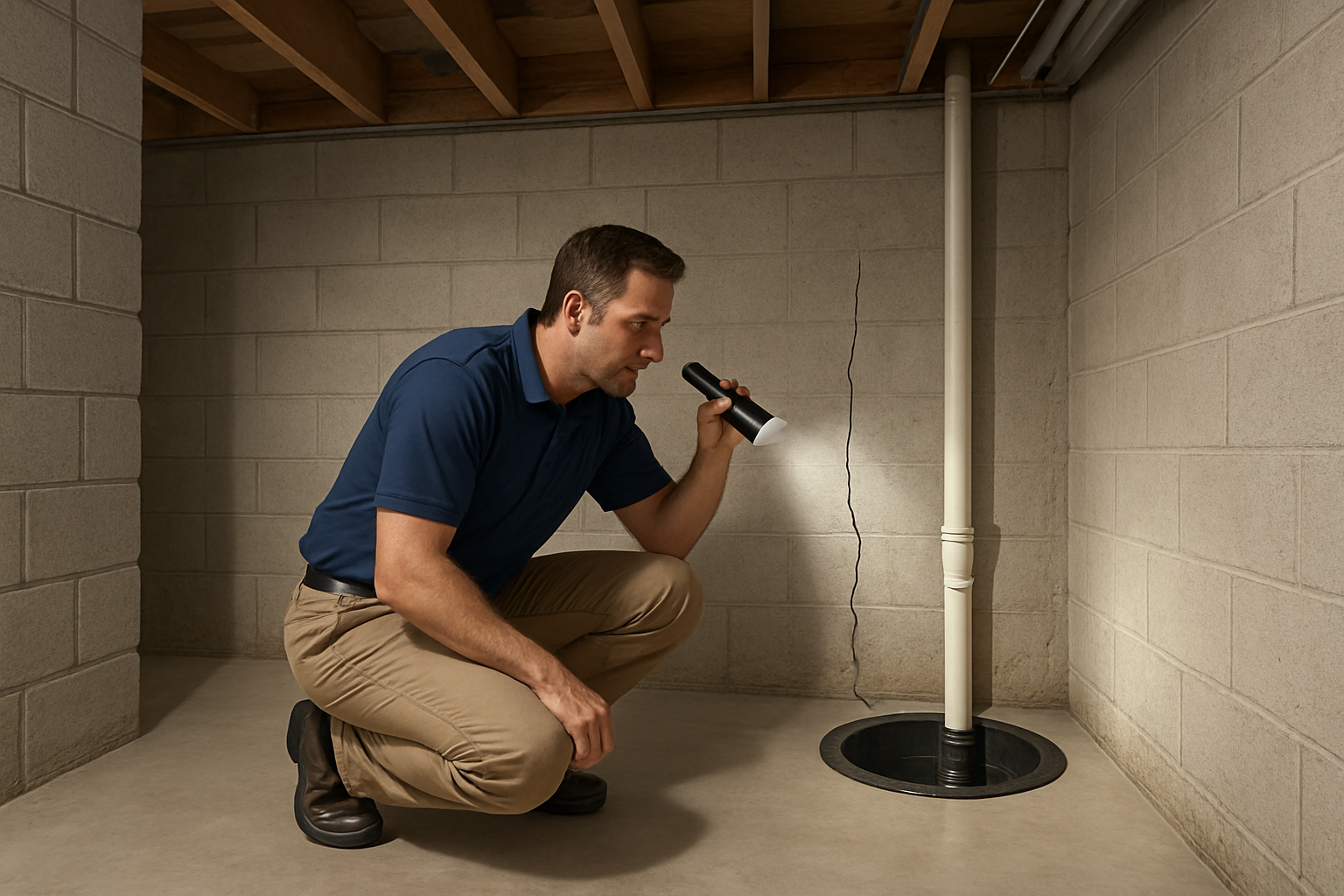
During a waterproofing inspection, we look for the signs that water has already been trying to get in, including:
- Efflorescence, or white chalky residue, on basement walls
- Musty odors or humidity in finished and unfinished basement areas
- Water stains along floors, corners, or wall joints
- Cracks in poured concrete or block foundation walls
- Bowed or leaning walls caused by outside soil pressure
- Standing water or damp insulation in crawlspaces
- Sump pump cycling issues or discharge problems
By September, many of these signs are easier to spot because your home has already been through spring rains and summer storms. If water found a way in earlier in the year, autumn is the time to identify the source and make a plan.
Autumn Gives You Time Before Winter Freeze-Thaw Cycles
One of the biggest reasons to schedule a waterproofing inspection in the fall is simple: winter is coming. Once temperatures begin dropping, moisture inside cracks, gaps, and porous materials can freeze and expand. That freeze-thaw cycle can make existing foundation issues worse.
Small cracks that seem harmless in September can widen over the winter. Minor drainage problems can become basement leaks. A sluggish sump pump may not be ready for late-fall rain or snowmelt. Taking care of these concerns before cold weather hits is often easier, more efficient, and less stressful than waiting for an active water intrusion problem.
“We thought the damp smell in our basement was just from the summer humidity. Permajack of Louisville found the issue, explained what was happening, and helped us fix it before it turned into a bigger problem.”
— Louisville homeowner
Leaves, Gutters, and Downspouts Matter More Than You Think
Fall leaves are beautiful in Louisville, especially as neighborhoods near Cherokee Park, St. Matthews, Jeffersontown, Middletown, and the Highlands begin to change color. But those same leaves can create serious drainage problems when they collect in gutters and downspouts.
When gutters clog, rainwater spills over the edge and lands directly beside your foundation. If downspouts are too short or disconnected, water may pool near basement walls. Over time, that repeated saturation increases hydrostatic pressure against the foundation, which can lead to leaks, wall movement, and structural concerns.
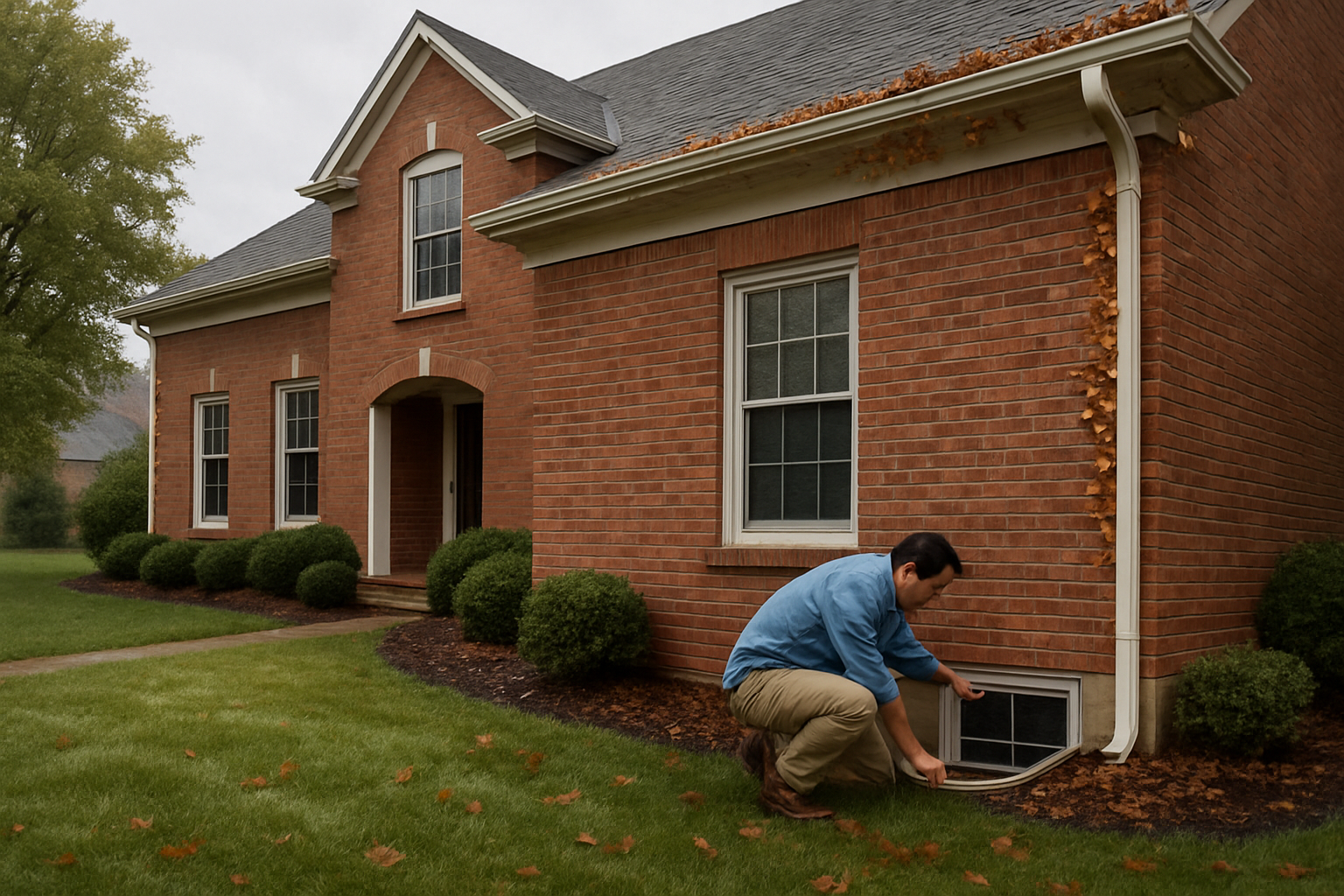
During your fall home maintenance routine, make sure to:
- Clear leaves and debris from gutters and roof valleys
- Confirm downspouts extend water several feet away from the foundation
- Check that soil slopes away from your home instead of toward it
- Inspect window wells for leaves, mud, and standing water
- Test your sump pump before the next major rainfall
- Look for low spots where water collects near patios, driveways, or porches
These steps are helpful for every homeowner, but they are especially important if you have had water in your basement before. A professional waterproofing inspection can determine whether surface drainage is the main issue or whether a more complete waterproofing solution is needed.
Waterproofing Is About Protecting Your Whole Home
Basement water is not just a nuisance. Moisture can affect air quality, storage areas, finished living space, flooring, drywall, framing, and even the long-term stability of your foundation. In crawlspaces, moisture can contribute to wood deterioration, odors, pest activity, and higher humidity throughout the house.
A good waterproofing inspection does not simply look for puddles. It considers the full picture: how water moves around your property, how your foundation is responding, and what systems are already in place to manage moisture.
Depending on the home, recommendations may include drainage improvements, sump pump service or installation, interior waterproofing systems, crawlspace moisture control, crack repair, or foundation stabilization. The right solution depends on the source of the problem, not a one-size-fits-all approach.
Why Choose Permajack of Louisville?
When you call Permajack of Louisville, you are choosing a local team that understands the conditions homeowners face here in Jefferson County and the surrounding communities. We know the way Louisville’s clay soil behaves. We know how heavy rain can overwhelm poor drainage. We know that older homes, newer subdivisions, finished basements, and crawlspace foundations all require careful evaluation.
As a local company, our reputation depends on doing the job right for our neighbors. We take the time to inspect, explain, and recommend practical solutions based on what your home actually needs. Our goal is to help you protect your property, not pressure you into unnecessary work.
Customers choose Permajack of Louisville because we provide:
- Local experience with Louisville-area waterproofing and foundation concerns
- Thorough inspections focused on identifying the source of moisture problems
- Clear explanations and honest recommendations
- Solutions for basements, crawlspaces, drainage concerns, and foundation issues
- A commitment to long-term protection and professional workmanship

Do Not Wait for the Next Heavy Rain
Many homeowners wait until water is actively coming into the basement before calling for help. The problem is that by the time you see standing water, the issue may have been developing for months or years. September is a great time to be proactive because the weather is still workable, schedules are often easier than during emergency storm periods, and there is time to prepare before winter.
If you have noticed dampness, odors, cracks, sump pump concerns, or water stains, now is the time to schedule an inspection. Even if you are not sure whether the issue is serious, having a professional take a look can give you peace of mind and a clear path forward.
Schedule Your Autumn Waterproofing Inspection
Your home is one of your biggest investments, and keeping water away from the foundation is one of the best ways to protect it. September in Louisville offers the perfect reminder: before the leaves pile up, before the cold sets in, and before the next round of heavy rain, make sure your basement or crawlspace is ready.
Contact Permajack of Louisville today to schedule your autumn waterproofing inspection. We will help you understand what is happening around your home, identify potential risks, and recommend the right solution to keep your foundation dry and protected.
Recent Comments