

Vacation time is almost here, and the last thing we want to worry about is a flooded basement. Water damage can be a real headache, especially when we’re away. We’ve been looking into some ways to make sure our finished basements are ready for anything. Let’s talk about some practical basement waterproofing solutions that can give us peace of mind before we pack our bags.
Key Takeaways
- Check your foundation for any cracks and seal them up. Small problems can become big ones if left alone.
- Make sure your yard slopes away from the house and that gutters are clear. Water needs a place to go, and it shouldn’t be towards your basement.
- Consider adding a sump pump or using sealants inside. These are extra layers of protection for your basement.
Proactive Basement Waterproofing Solutions
Before we even think about packing for vacation, we should take a good look at our basements. It’s easy to forget about them when they’re out of sight, but a little bit of preventative work now can save us a lot of headaches later, especially with unpredictable weather. We want to make sure our homes are protected while we’re away.
Inspect And Seal Foundation Cracks
Foundation cracks are like tiny invitations for water. They might seem small, but they can grow and let in a surprising amount of moisture. We need to be thorough when we check our foundation walls, both inside and out. Look for any lines, no matter how thin. If we find any, we should plan to seal them up.
- The best time to inspect is when the basement is dry. This makes it easier to spot the cracks.
- We can use epoxy or polyurethane injection kits for smaller cracks. These kits are pretty straightforward to use.
- For larger or structural cracks, it might be better to call in a professional. They have the tools and know-how to fix them properly.
Addressing these cracks proactively is key. It’s a relatively simple step that stops water before it even gets a chance to seep into the basement.
Improve Exterior Drainage Systems
What happens outside our homes has a big impact on what happens inside our basements. We need to make sure water is directed away from the foundation. This means checking our gutters, downspouts, and the grading around our house.
Here’s what we should look at:
- Gutters and Downspouts: Are they clean and clear of debris? Are the downspouts extending far enough away from the foundation? Ideally, they should discharge water at least 5-10 feet away.
- Grading: The ground around our house should slope away from the foundation. If it slopes towards the house, water will pool up near the walls.
- Window Wells: If we have basement windows, we need to make sure their wells are draining properly and aren’t collecting water.
Fixing these exterior issues is a really effective way to keep our basements dry. It’s all about managing the water before it even gets close to the foundation walls.
Interior Basement Waterproofing Solutions
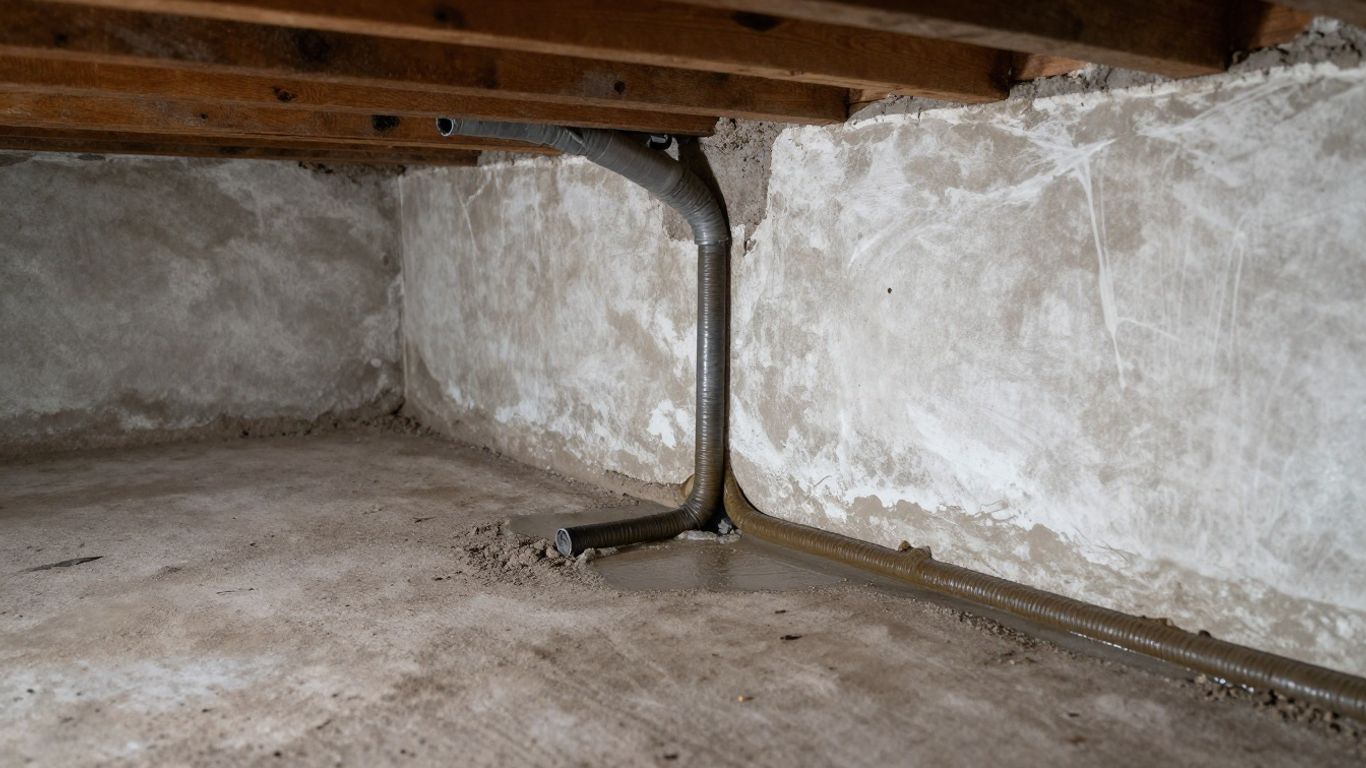
Even with the best exterior defenses, water can sometimes find its way into our basements. When that happens, we need reliable interior systems in place to manage it. These solutions act as a secondary line of defense, keeping our finished spaces dry and usable, especially as we head into vacation season and want peace of mind.
Install A Sump Pump System
A sump pump is a workhorse for basement waterproofing. It’s a pump placed in a pit (the sump pit) at the lowest point of the basement. When groundwater levels rise and fill the pit, the pump automatically activates, discharging the water away from the foundation. We find that a properly installed and maintained sump pump system is one of the most effective ways to prevent basement flooding.
Here’s what goes into a typical system:
- Sump Pit: A hole dug in the basement floor, usually lined with gravel or a liner, to collect water.
- Sump Pump: The mechanical device that pumps the water out.
- Discharge Pipe: Carries the water from the pump to the exterior, away from the house.
- Check Valve: Prevents water from flowing back into the pit when the pump turns off.
We also recommend considering a battery backup for your sump pump. Power outages can happen, and if your primary pump loses power during a heavy rain, you could still face flooding. A battery backup provides protection when you need it most.
Apply Waterproofing Sealants
For smaller leaks or as an added layer of protection, applying waterproofing sealants to interior basement walls can be quite effective. These products work by creating a barrier that prevents water from penetrating the concrete or masonry.
We typically look at a few types:
- Cementitious Coatings: These are cement-based materials mixed with water and applied like paint. They work well on concrete and masonry surfaces and are good for blocking hydrostatic pressure.
- Liquid-Applied Membranes: These are often rubberized or polyurethane-based coatings that dry to form a flexible, seamless barrier. They can be applied with rollers or sprayers.
- Epoxy Coatings: While often used for garage floors, some epoxies offer excellent waterproofing properties and durability for basement walls.
Before applying any sealant, proper surface preparation is key. We need to clean the walls thoroughly, repairing any existing cracks or holes. The surface should be dry and free of dust, grease, or old paint that could prevent the sealant from adhering properly. Following the manufacturer’s instructions for application and curing time is also very important for the best results.
Dealing with basement moisture before it becomes a problem is always better than cleaning up after a flood. These interior solutions give us a solid plan B, ensuring our basements stay dry and welcoming, no matter what the weather does outside.
Wrapping Up Our Waterproofing Chat
So, we’ve gone over a few ways to keep that basement dry before we all head out for vacation. It might seem like a lot, but taking these steps now can save us a big headache later. Nobody wants to come home to a damp, musty smell, right? Think of it as a little peace of mind while we’re away, enjoying some sun. We’ve looked at checking seals, maybe adding a dehumidifier, and just generally keeping an eye on things. It’s not about being perfect, but about doing what we can to protect our homes. We hope this gives you a good starting point for getting your basement ready. Have a great, worry-free trip!
Frequently Asked Questions
How often should we check our basement for leaks before heading out of town?
We recommend a thorough check right before your trip and perhaps a quick peek a week or two prior. It’s better to catch any small issues early before they become big problems while we’re away enjoying our vacation.
What’s the quickest way to fix a small crack in the basement wall?
For minor cracks, we can often use a special caulk or epoxy designed for concrete. It’s a pretty straightforward fix that seals up the opening and stops water from seeping through. If the crack is larger, we might need a more involved approach.
Is it worth investing in a sump pump if we’ve never had major flooding?
Absolutely! A sump pump acts like a safety net. Even if you haven’t experienced a flood, heavy rains or changes in groundwater can cause unexpected water buildup. Having a sump pump ready to go gives us peace of mind, knowing that water will be pumped out automatically if it starts to collect.
Recent Comments