

We’ve all seen puddles turn to ice and then back to water. It’s a common sight, especially when the weather can’t make up its mind. But what we might not think about is how this constant cycle of freezing and thawing, known as the freeze thaw cycle, can actually affect the very ground our homes sit on. Specifically, we’re going to look at the foundation freeze thaw effects and what they mean for our homes.
Key Takeaways
- When water freezes, it expands. This expansion can put pressure on your foundation walls and slabs.
- Water can get into your foundation through cracks or poor drainage. Keeping water away from your home is important.
- Watch for signs like cracks in walls or floors, and consider ways to prevent water buildup around your foundation to avoid damage.
How Water Impacts Your Foundation During Freezing Temperatures
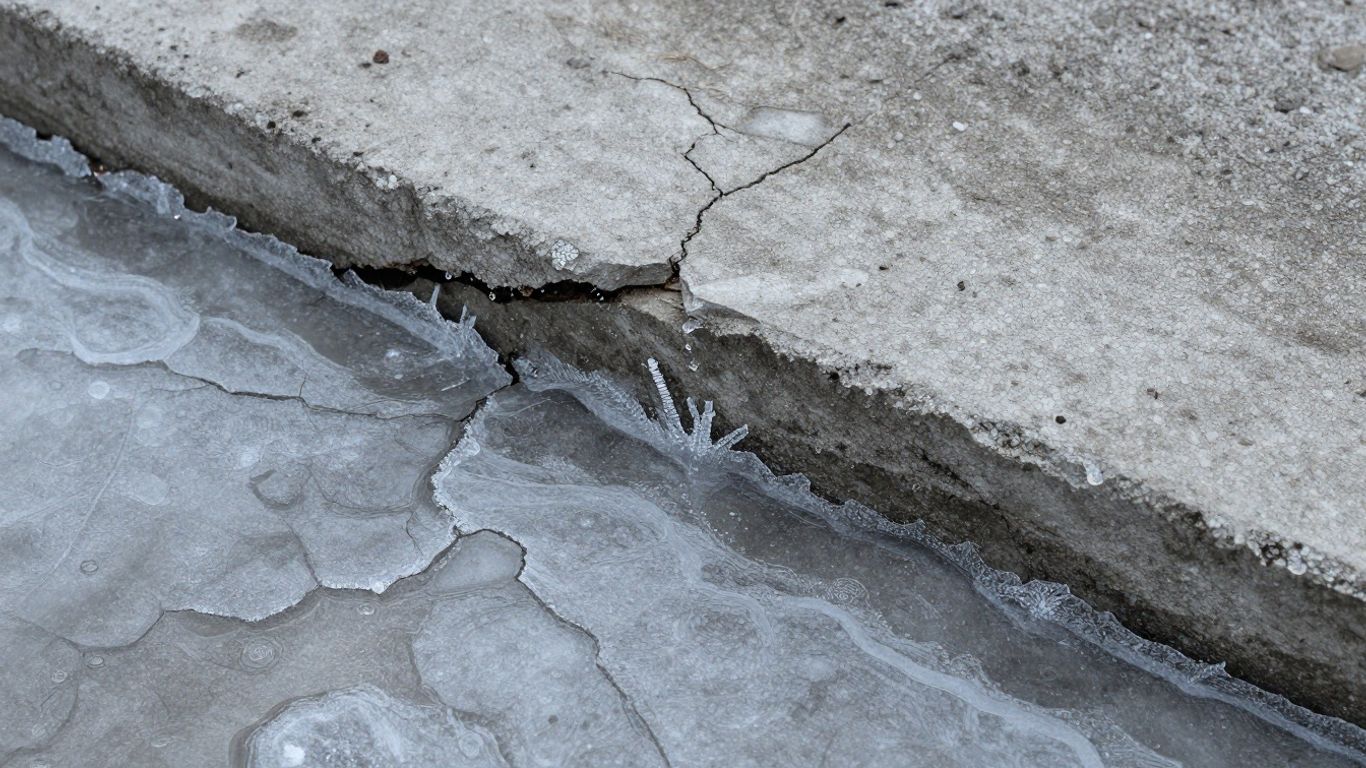
We often don’t think about water around our homes until something goes wrong, but it’s a major player, especially when the temperature drops. When water gets into the soil around your foundation and then freezes, it can cause some serious problems. It’s a natural process, but one we need to understand to protect our homes.
The Science Behind Water Expansion
Water has a peculiar property: when it freezes, it expands. This isn’t like most other liquids. As water molecules cool down, they start to slow and arrange themselves into a crystal structure. This structure takes up more space than the liquid form. Think about a full water bottle you put in the freezer – it might crack. That’s because the ice needs more room. In the soil around your foundation, this expansion can exert significant pressure. If this happens repeatedly, cycle after cycle, that pressure adds up.
- Water expands by about 9% when it freezes.
- This expansion creates outward pressure.
- Repeated freezing and thawing can weaken soil structure.
This expansion is the primary force that can push against your foundation walls and under your slabs. It’s a slow but steady force that can cause damage over time if not managed.
Identifying Water Sources Near Your Foundation
So, where does this water come from? It’s usually a combination of things. We need to be aware of potential sources so we can manage them. Keeping water away from your foundation is key to preventing freeze-thaw damage.
Here are some common places water can accumulate:
- Rainwater and Snowmelt: This is the most obvious. If your gutters are clogged or your downspouts don’t direct water far enough away from the house, water will pool near the foundation. Sloping ground that directs water towards your home is also a problem.
- Poor Drainage: Low spots in your yard or compacted soil can prevent water from draining away properly, keeping it saturated near your foundation.
- High Water Table: In some areas, the groundwater level is naturally high. This means the soil is already moist, making it more susceptible to freezing and expansion.
- Plumbing Leaks: Sometimes, leaks from underground pipes or even foundation drainage systems can contribute to excess moisture.
Understanding these water sources is the first step. Once we know where the water is coming from, we can start thinking about how to stop it from getting into a position where it can freeze and cause trouble for our foundations.
Recognizing and Mitigating Foundation Freeze Thaw Effects
We’ve all seen what happens when water freezes – it expands, right? This simple fact of nature can wreak havoc on our home’s foundation if we’re not careful. Understanding how to spot the damage and, more importantly, how to stop it before it starts is key to protecting our biggest investment.
Signs of Foundation Damage From Freeze Thaw
Sometimes, the signs are subtle, and other times, they’re pretty obvious. We need to keep an eye out for a few common indicators that the freeze-thaw cycle is taking a toll on our foundation.
- Cracks in the foundation walls: These can appear as hairline fractures or wider, more noticeable splits. Pay attention to both the interior and exterior walls.
- Sticking doors or windows: If doors and windows suddenly become difficult to open or close, it could mean the foundation has shifted slightly, causing the frames to warp.
- Bowing or leaning walls: This is a more serious sign. If a basement wall starts to bulge inward or tilt, it’s a clear indication of significant pressure.
- Water pooling around the foundation: While not a direct sign of damage, persistent puddles after rain or snowmelt mean more water is getting close to the foundation, increasing the risk.
- Separation of materials: You might notice gaps forming between the foundation and other parts of the house, like the sill plate or porch.
The most concerning sign is often a visible crack that seems to be growing over time. We should document any cracks we find with photos and measurements, noting the date, so we can track their progression.
Preventative Measures Against Freeze Thaw Damage
Dealing with foundation issues can be a real headache, so prevention is definitely the way to go. A little bit of proactive work can save us a lot of trouble down the line.
- Improve drainage: This is probably the most important step. We need to make sure water moves away from our foundation. This means ensuring gutters are clean and downspouts extend several feet away from the house. Grading the soil around the foundation so it slopes away from the house is also a good idea.
- Seal foundation cracks: Even small cracks can let water seep in. We should inspect our foundation regularly and seal any openings we find with appropriate materials.
- Install a sump pump: If we have a basement or crawl space that tends to get damp, a sump pump can be a lifesaver, actively removing water that collects.
- Consider foundation insulation: In colder climates, insulating the foundation walls can help reduce the temperature fluctuations that contribute to the freeze-thaw cycle.
- Maintain landscaping: Avoid planting large trees or shrubs too close to the foundation, as their roots can cause damage over time and their watering needs can contribute to soil moisture.
Taking these steps helps create a drier environment around our foundation, which directly reduces the amount of water available to freeze and expand. It’s about managing the moisture before it becomes a problem.
Wrapping Up Our Thoughts
So, we’ve talked a lot about how the freeze-thaw cycle can really mess with our homes’ foundations. It’s not something we can just ignore, especially if we live in areas where the weather changes a lot. Watching for cracks, keeping an eye on drainage, and maybe even thinking about how the ground around our house behaves are all good steps. We don’t want to wait until there’s a big problem. Taking a little time now to check things out and do some basic upkeep can save us a lot of headaches and money down the road. It’s about being proactive with our property.
Frequently Asked Questions
What exactly is the freeze-thaw cycle and why is it bad for our house’s base?
We call the freeze-thaw cycle the process where water gets into small cracks in the ground around our home, freezes, and then melts. When water freezes, it expands, pushing outwards. Imagine a water balloon bursting when it’s frozen solid! This constant pushing and pulling can make those tiny cracks bigger over time. Eventually, this can weaken the concrete or stone that holds up our house, leading to serious problems.
How can we tell if the freeze-thaw cycle has already hurt our foundation?
We should look for a few tell-tale signs. Cracks appearing in the walls, both inside and outside, are a big clue. You might also notice doors or windows that don’t close quite right anymore, or floors that seem uneven. Sometimes, you’ll see gaps where the wall meets the ceiling or floor. If we see any of these things, it’s a good idea to have our foundation checked out by a professional.
What are the best ways we can protect our foundation from this kind of damage?
Keeping water away from our foundation is key. We can make sure our gutters are clean and that they direct water far away from the house. Grading the soil around our home so it slopes away from the foundation also helps a lot. During winter, we can try to keep the soil around the foundation from getting too wet before a freeze. Sometimes, adding a layer of mulch can help insulate the ground a bit, too.
Recent Comments