

As winter approaches, we often focus on keeping the cold out, but we might overlook what happens below ground. Water from melting snow and ice can find its way into our homes, and our basement waterproofing systems need to be ready. This is where sump pumps become really important. We’ll look at how they work in the cold and what we can do to make sure they’re up to the task of keeping our basements dry when the temperatures drop.
Key Takeaways
- Cold weather can make basement waterproofing systems less effective, especially if ice forms.
- Sump pumps are vital for preventing basement flooding during winter by removing water.
- Regular checks and simple maintenance can help our sump pumps work right all winter long.
Understanding Sump Pump Functionality in Cold Weather
When winter rolls around, we often think about snow and ice, but we might not always consider how the cold affects our homes’ basements. Specifically, how our waterproofing systems hold up when temperatures drop. It’s easy to forget about the sump pump until something goes wrong, but its role in keeping our basements dry during the colder months is pretty significant.
How Freezing Temperatures Affect Basement Waterproofing Systems
Basement waterproofing isn’t just about stopping water from coming in; it’s also about managing the water that’s already there or that might enter from melting snow and ice. When it gets cold, several things can happen. First, the ground around our homes can freeze. This frozen soil can actually push against basement walls, sometimes creating small cracks or making existing ones worse. Water that seeps into these cracks can then freeze and expand, widening them further. We also see issues with drainage systems. If the soil is frozen, water can’t drain away as easily, meaning it might pool up near the foundation. This is where the sump pump really comes into play.
Another thing to watch out for is ice dams forming on roofs. When these melt, the water has to go somewhere, and often it finds its way down to the foundation. If our exterior drainage is compromised by ice or frozen ground, that water can end up in the basement.
The Critical Role of Sump Pumps in Preventing Winter Flooding
So, what’s the sump pump’s job in all this? Its main purpose is to collect any water that gathers in a sump pit at the lowest point of the basement or crawl space and pump it out and away from the house. During winter, this is especially important because of the increased risk of water intrusion from melting snow, ice, and potential foundation issues caused by freezing.
Here’s a breakdown of why it’s so important:
- Managing Meltwater: As snow and ice melt, a lot of water can saturate the ground around your foundation. The sump pump is there to remove this excess water before it can build up pressure against your walls or find its way inside.
- Preventing Freeze-Thaw Cycles: Water that gets into small cracks in your foundation can freeze, expand, and make those cracks bigger. By removing water promptly, the sump pump helps reduce the amount of water available to cause this damage.
- Handling Plumbing Leaks: Sometimes, cold weather can cause pipes to freeze and burst. If this happens in or near your basement, the sump pump can help manage the resulting water.
Without a properly functioning sump pump, even a small amount of meltwater or a minor leak can lead to significant water damage in the basement during winter. We need to make sure our pumps are ready to handle the extra load that winter conditions can bring.
We often think of sump pumps as a summer problem, dealing with heavy rains. But the reality is, winter brings its own set of water challenges. Frozen ground, melting snow, and ice can all contribute to basement flooding if the water isn’t managed correctly. That’s why paying attention to our sump pump’s performance when the temperatures drop is just as important, if not more so, than during warmer months.
Maintaining Your Sump Pump for Optimal Winter Performance
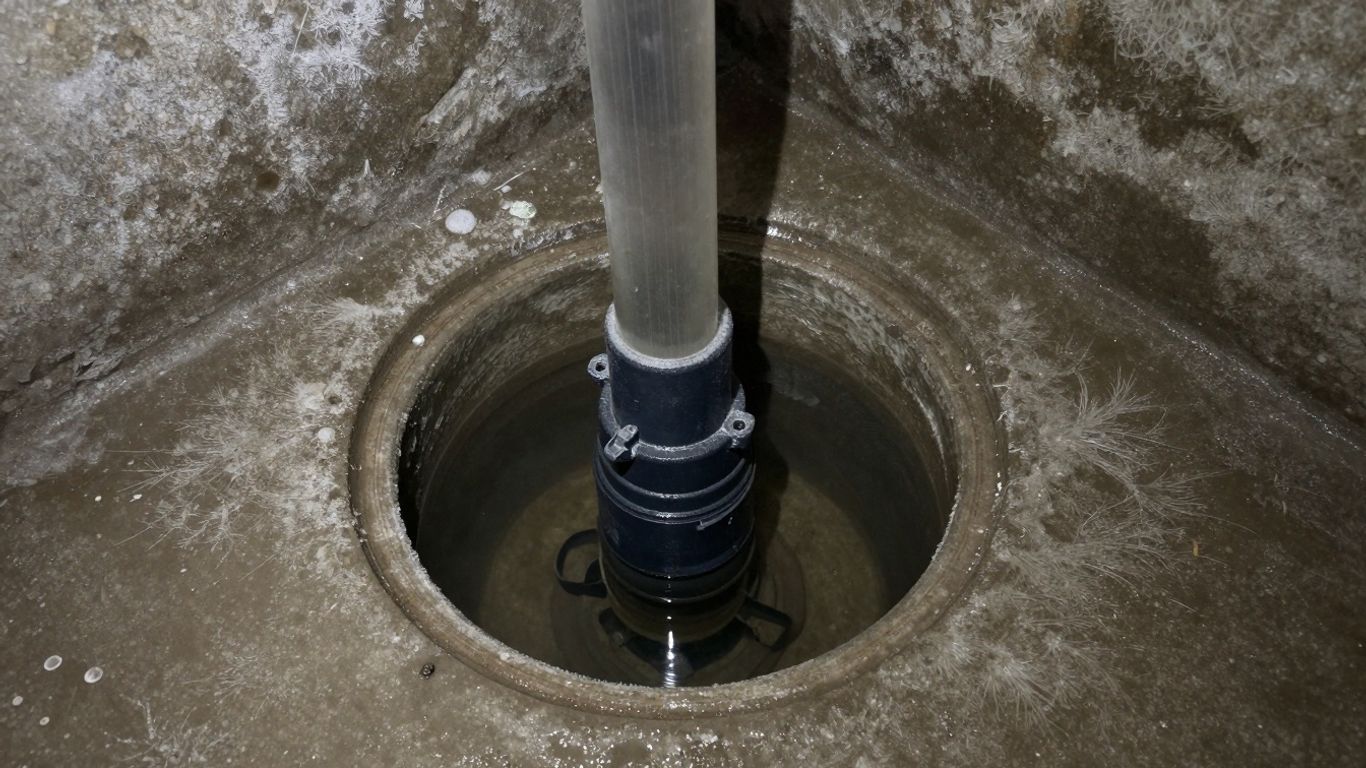
Winter weather can really put a strain on your home’s systems, and your sump pump is no exception. When the temperatures drop and snow starts to pile up, the risk of basement flooding doesn’t disappear; it just changes form. We need to make sure our sump pumps are ready to handle whatever the cold throws at them. Regular checks and a bit of preventative care can save us a lot of headaches and water damage down the line.
Essential Sump Pump Maintenance Tips for Cold Climates
Keeping your sump pump in good shape before winter really sets in is key. It’s not a complicated process, but it does require a bit of our attention. Here are some things we should be doing:
- Test the Pump: Before the first freeze, we should manually test the pump. Pour a bucket of water into the sump pit to make sure the float switch activates the pump and that water is discharged properly. Listen for any strange noises.
- Check the Discharge Line: This is super important in winter. Make sure the discharge line isn’t blocked by ice or debris. If it freezes, the pump can’t push water away, and it might even get damaged. We can disconnect it and blow it out with a hose or even use a wet/dry vac to clear it.
- Inspect the Float Switch: The float switch is what tells the pump when to turn on and off. We need to make sure it moves freely and isn’t stuck by sediment or ice. Give it a gentle wiggle to see if it’s responsive.
- Clean the Sump Pit: Over time, sediment and debris can build up in the pit. This gunk can clog the pump’s intake or even damage the impeller. We should scoop out any sludge we find.
- Consider a Battery Backup: Power outages are more common in winter storms. A battery backup system means your pump will keep working even if the electricity goes out. It’s a good investment for peace of mind.
Troubleshooting Common Winter Sump Pump Issues
Sometimes, despite our best efforts, things go wrong. If we notice our sump pump acting up during the cold months, here are a few common problems and what we can do about them:
- Pump Not Running: This could be a power issue, a tripped breaker, or a problem with the float switch. Check the power source first. If that’s fine, inspect the float switch for obstructions.
- Pump Runs Constantly: This usually means the pit isn’t emptying fast enough, or the discharge line is blocked. Again, the discharge line is a prime suspect in freezing weather. We need to clear that blockage.
- Water Backing Up: If water is coming back into the pit after the pump stops, it might be a check valve issue. The check valve is supposed to prevent this, but it can fail or get stuck.
- Frozen Discharge Line: This is a big one. If we suspect the line is frozen, we might need to carefully use a hairdryer or a heat gun on a low setting to thaw it. Never use an open flame. Sometimes, just disconnecting the line and letting it warm up indoors can work.
When dealing with a frozen discharge line, patience is key. Rushing the thawing process can lead to more damage. We want to be gentle and methodical. If we’re unsure, it’s always better to call a professional. Trying to force a frozen line can cause it to burst, leading to a much bigger mess.
We should also think about insulating exposed parts of the discharge pipe, especially where it leaves the house. This can help prevent ice buildup. It’s a simple step that can make a big difference in keeping that water flowing away from our homes when we need it most.
Wrapping Up Our Winter Waterproofing Thoughts
So, as we’ve seen, keeping our homes dry when the snow melts and the ice thaws is a big deal. We’ve talked about how sump pumps really step up to the plate, especially during those tricky winter months. It’s not just about a bit of water; it’s about protecting our basements and keeping our foundations solid. We think it’s pretty clear that having a good sump pump system, and knowing how it works, gives us a lot of peace of mind. We should all take a moment to check on our own setups and make sure they’re ready for whatever winter throws at us. It’s a simple step that can save us a lot of headaches down the road.
Frequently Asked Questions
Why do we need to worry about sump pumps when it gets cold?
When winter arrives, the ground around our homes can freeze. This frozen ground can prevent water from soaking in, causing it to pool up. If this water finds its way into our basements, it can cause serious problems. Our sump pump is designed to remove this water, acting as our first line of defense against winter basement flooding.
What are the most common problems sump pumps face in winter?
The biggest issue we often see is the discharge line freezing. If the pipe that carries water away from the pump freezes, the water has nowhere to go, and the pump can get damaged or simply stop working. We also need to make sure the pump itself isn’t frozen and that its float switch can move freely.
What simple steps can we take to keep our sump pump working well during winter?
Regular checks are key. We should make sure the sump pit is clear of debris that could clog the pump. It’s also wise to test the pump occasionally to ensure it turns on and pumps water. A really important step is to check the discharge line for any ice buildup and consider ways to keep it from freezing, like using a special freeze-resistant hose or a heat cable if needed.
Recent Comments