

We’ve all seen it. The ground outside seems to heave and shift during the winter months. This isn’t just a visual trick of the light or a strange weather pattern. It’s a real process happening beneath our feet that can have a big effect on our homes. We’re going to look at how freezing and thawing ground can change things, and why sometimes, calling for professional help with our homes’ foundations becomes necessary.
Key Takeaways
- When the ground freezes, water within the soil expands, pushing soil particles apart and creating upward pressure. This process, often called frost heave, can lift and destabilize the ground.
- As the soil freezes and thaws repeatedly, its structure can break down. This makes it less able to support weight and can also affect how well water drains away, leaving the soil saturated and weak.
- The movement and weakening of soil from winter weather can put stress on a home’s foundation. If damage occurs, seeking professional foundation repair services is often needed to fix structural issues and keep the home safe.
How Freezing Temperatures Affect Soil Stability
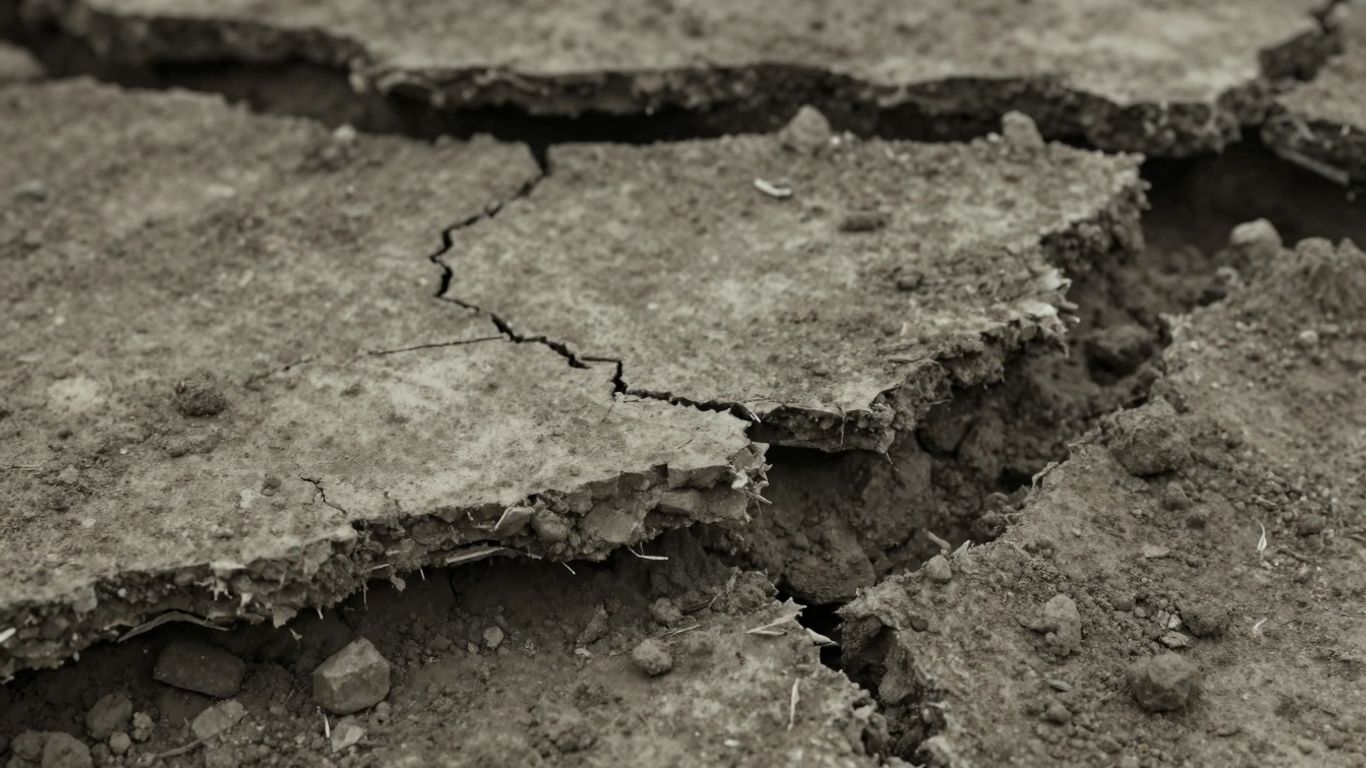
When winter rolls around, we often think about snow and ice, but what’s happening beneath our feet is just as important, especially for our homes and landscapes. The cold really changes how soil behaves. We’ve seen firsthand how freezing temperatures can mess with the ground.
The Science Behind Frost Heave
So, what exactly is frost heave? It’s basically the ground pushing upwards when it freezes. This happens because water in the soil expands when it turns into ice. If you have a lot of water in the soil, and it freezes, that expansion can be pretty significant. It’s not just a little puff; it can actually lift the ground, sometimes by several inches. This upward movement is what we call frost heave. The soil particles themselves don’t expand much, but the water between them does, creating ice lenses that grow and push everything else up.
- Water Content: Soils with more water freeze and heave more. Clay soils hold more water than sandy soils, so they tend to heave more.
- Freezing Rate: How quickly the ground freezes matters. Slow freezing allows more water to move to the freezing front and form larger ice lenses.
- Soil Type: The texture and structure of the soil play a big role. Fine-grained soils like silts and clays are more susceptible to frost heave than coarse-grained soils like gravel and sand.
Impact on Soil Structure and Drainage
This freezing and thawing cycle doesn’t just lift the ground; it also breaks down the soil’s structure. When water freezes, it expands and can push soil particles apart. Then, when it thaws, the soil can become more compacted, or it can lose its natural structure, making it weaker. This can really mess with how well water drains through the soil. After a hard freeze and thaw, we often notice that the ground stays soggy for longer. This is because the soil’s ability to let water pass through has been damaged. Good drainage is important for keeping foundations stable and preventing water from pooling where we don’t want it. When drainage is poor, water can sit around foundations, which leads to other problems down the line.
The repeated expansion and contraction of water within the soil during freezing and thawing cycles can significantly alter the soil’s physical properties, leading to reduced load-bearing capacity and increased susceptibility to erosion. This disruption is a primary concern for anything built on or in the ground.
We’ve seen how this can affect everything from garden paths to the very foundations of our buildings. It’s a natural process, but one we definitely need to be aware of when winter weather hits hard.
The Thaw Cycle and Its Consequences for Structures
As winter’s grip loosens and temperatures begin to climb above freezing, we enter a phase that can be just as damaging, if not more so, than the deep freeze itself: the thaw cycle. This period, where water transitions from ice back to liquid, has a significant impact on the ground beneath our homes and buildings.
Water Saturation and Soil Weakening
When snow and ice melt, the water has to go somewhere. If the ground is still frozen or has poor drainage, this meltwater can pool on the surface or become trapped within the soil layers. This saturation is a major problem. Think of soil like a sponge; when it’s full of water, it loses a lot of its strength. The water pushes soil particles apart, reducing friction between them and making the soil much less stable. This is especially true for clay-rich soils, which can absorb and hold a lot of water, becoming heavy and soft.
We often see this weakening manifest in several ways:
- Reduced Load-Bearing Capacity: The soil can no longer support the weight of structures as effectively.
- Increased Susceptibility to Erosion: Moving water can carry away soil particles, especially on slopes.
- Settling and Shifting: As the water drains away, the soil can compact, causing the ground to sink unevenly.
Why Foundation Repair Services Are Crucial After Thaw
This weakening of the soil directly affects the foundations of our homes and buildings. Foundations are designed to rest on stable, supportive ground. When that ground becomes saturated and unstable during the thaw, it can lead to movement in the foundation. This movement might not be dramatic, but even small shifts can cause significant problems over time. We might notice cracks appearing in walls or ceilings, doors and windows that no longer close properly, or even visible signs of the foundation sinking.
The transition from freezing to thawing is a dynamic process. Water expands when it freezes, pushing soil particles apart. When it thaws, the water lubricates these particles, and gravity pulls them down, often leading to a loss of soil volume and support. This cycle can be repeated, exacerbating the issues.
It’s during this post-thaw period that we often need to call in the professionals. Foundation repair services are equipped to assess the damage caused by soil shifting and implement solutions. These can range from simple soil stabilization techniques to more involved repairs like underpinning or mudjacking, depending on the severity of the problem. Ignoring these signs can lead to more extensive and costly repairs down the line, so it’s wise to be observant and act promptly when we see indications of foundation trouble after the winter melt.
Here are some common signs that might indicate foundation issues after a thaw:
- New cracks in drywall or plaster.
- Gaps appearing around window or door frames.
- Floors that feel uneven or sloped.
- Sticking doors or windows that were previously fine.
- Visible cracks in the foundation walls themselves.
Wrapping Up Our Thoughts on Winter and the Ground
So, we’ve looked at how winter weather can really make the ground move around. Freezing and thawing cycles are a big deal, causing soil to expand and then shrink. This can lead to all sorts of issues, from cracked foundations to uneven roads. We’ve seen how water plays a part, freezing in the soil and pushing things around. It’s a natural process, but one that we definitely need to keep in mind when we’re building or even just noticing changes in our yards. Understanding this connection helps us prepare and maybe avoid some headaches down the line. It’s a good reminder that the earth beneath our feet is always doing something.
Frequently Asked Questions
Why does the ground seem to bulge or lift when it gets really cold?
When temperatures drop below freezing, water in the soil can turn into ice. As this ice forms, it takes up more space than liquid water, pushing the soil upwards. This process, known as frost heave, can cause the ground to lift unevenly, especially in areas with lots of moisture.
What happens to the ground when the ice melts in the spring?
When the weather warms up and the ice melts, the soil loses that upward pressure. The problem is, the soil can become very soggy and weak because all the melted ice turns into water. This waterlogged soil can’t support as much weight, which can cause problems for things built on top of it, like houses.
How can winter weather damage things like our house foundations?
The constant cycle of freezing and thawing can really stress foundations. When the ground freezes, it can push against the foundation walls. Then, when it thaws and the soil becomes soft and wet, the foundation might not have enough support, leading to cracks or sinking. This is why it’s important to check for damage after a harsh winter.
Recent Comments