

Discovering water in your new home’s basement can be quite a shock. We know that feeling. It’s a problem that needs attention right away. This guide will walk us through what to do when you find that unwelcome dampness.
Key Takeaways
- First, we need to figure out how bad the water problem is and where it’s coming from. Taking pictures helps document everything.
- Next, we’ll look into different ways to fix the basement, like inside drainage or outside work. These are our main basement waterproofing solutions.
- Finally, we’ll tackle any immediate fixes and plan for the bigger repairs needed to keep the water out for good.
Assess The Severity Of The Water Intrusion
Discovering water in your basement after moving into a new home can be unsettling, to say the least. Our first step is always to figure out just how bad the situation is. This isn’t just about a little dampness; we need to understand the scope of the problem to plan our next moves effectively.
Identify The Source Of The Leak
Before we can fix anything, we have to know where the water is coming from. Sometimes it’s obvious, like a visible crack in a wall or a pipe that’s clearly leaking. Other times, it’s more subtle. We’ll look for:
- Water stains on walls or floors.
- Mold or mildew growth, which often indicates persistent moisture.
- The smell of damp earth or mustiness.
- Areas where the paint or drywall seems to be peeling or bubbling.
Pinpointing the exact entry point is the most important part of this initial assessment. Is it coming from outside, like heavy rain seeping through the foundation? Or is it an internal issue, perhaps a plumbing leak within the walls or a faulty appliance? We might need to check the exterior of the foundation after a rainstorm, look at grading around the house, and inspect any visible plumbing lines in the basement.
Document The Damage
Once we know where the water is coming from, we need to see what it’s done. Taking pictures and videos is a good idea. This documentation is helpful not only for our own records but also if we need to file an insurance claim or discuss repairs with professionals.
We’ll want to note:
- The extent of the water on the floor (e.g., a thin layer, several inches).
- Which materials are affected (e.g., drywall, carpeting, stored items, concrete walls).
- Any signs of structural damage, like crumbling concrete or warped wood.
- The presence of any sewage or contaminated water, which requires immediate and specialized cleanup.
The longer water sits, the more damage it can cause. It can weaken building materials, encourage mold growth, and even affect the structural integrity of your home. Acting quickly to assess and address the situation is key.
We’ll create a simple log to keep track of our findings. For example:
| Location in Basement | Source Identified | Water Depth | Materials Affected | Date of Observation |
|---|---|---|---|---|
| North Wall Corner | Foundation Crack | 1/2 inch | Drywall, Carpet | 5/20/2026 |
| Near Water Heater | Pipe Leak | Standing | Concrete Floor | 5/20/2026 |
This organized approach helps us move from understanding the problem to finding the right solutions.
Explore Basement Waterproofing Solutions
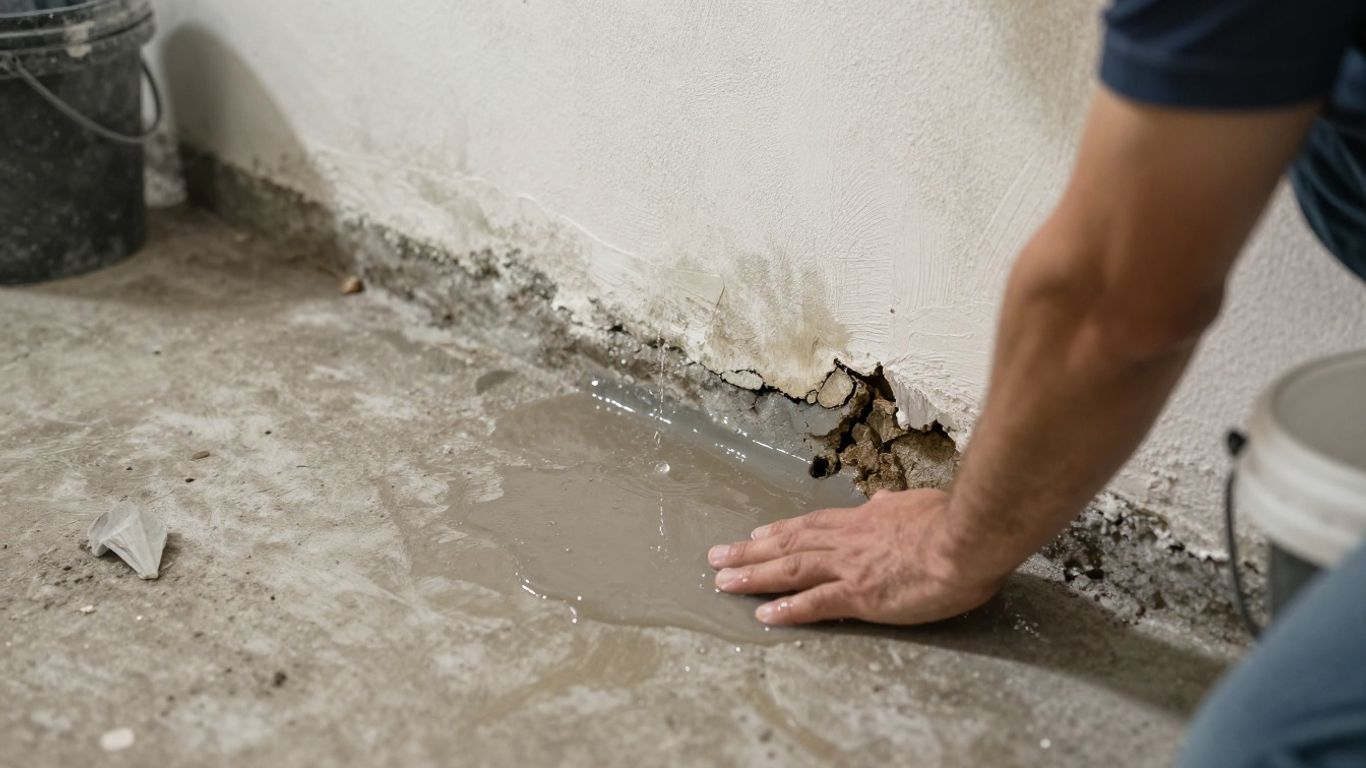
Once we’ve figured out where the water is coming from and how bad the damage is, it’s time to look at ways to stop it from happening again. This is where basement waterproofing comes in. There are a few different approaches we can take, and the best one for us will depend on the specific problem we’re dealing with.
Consider Interior Drainage Systems
Interior drainage systems are a popular choice because they work from the inside of the basement. They’re designed to catch water that seeps through the walls or floor and direct it away. Think of it like a gutter system, but for your basement floor.
- How they work: Water enters through a channel installed along the perimeter of the basement floor, often where the wall meets the floor. This channel then guides the water to a sump pump.
- Sump pump: This is the heart of the system. When water fills the sump pit, the pump activates and pushes the water out and away from the house.
- Types: There are different kinds, like interior footing drains or channel drains, each suited for slightly different situations.
This approach is often less disruptive to your yard and landscaping. It’s a good option if exterior work is difficult or too expensive.
Evaluate Exterior Waterproofing Methods
Exterior waterproofing is about stopping the water before it even gets into the basement. This usually involves digging around the foundation.
- Excavation: We’d need to dig down to the foundation footing.
- Waterproofing membrane: A waterproof barrier, like a rubberized asphalt coating or a heavy-duty plastic sheeting, is applied to the outside of the foundation walls.
- Drainage: Often, a drainage system (like drain tile) is installed at the base of the foundation to help move water away from the walls.
This method can be more involved and costly due to the excavation required, but it’s often considered the most effective long-term solution for persistent water problems. It tackles the issue at the source, preventing water from reaching the foundation walls in the first place.
Choosing the right waterproofing solution involves weighing the pros and cons of each method against our specific situation, budget, and the severity of the water intrusion. It’s not a one-size-fits-all fix, and sometimes a combination of interior and exterior methods might be the best path forward.
Implement Immediate And Long-Term Repairs
Once we’ve figured out where the water is coming from and how bad the damage is, it’s time to get to work. We can’t just ignore a wet basement; it’s a problem that needs fixing, both right away and for the future. Let’s break down what we need to do.
Address Visible Cracks And Gaps
Often, water finds its way in through cracks in the foundation walls or floor. These might be small hairline fractures or larger openings. We need to find them and seal them up. For minor cracks, a good quality hydraulic cement or epoxy injection can do the trick. It’s a bit like putting a bandage on a cut, stopping the immediate leak.
Here’s a quick look at common sealing materials:
| Material Type | Best For |
|---|---|
| Hydraulic Cement | Quick setting, good for active leaks |
| Epoxy Injection | Strong, structural repair for wider cracks |
| Polyurethane Caulk | Flexible, good for smaller, non-structural gaps |
For larger issues, or if we’re not comfortable doing this ourselves, calling in a professional is the way to go. They have the tools and experience to make sure the repair is solid.
Plan For Professional Remediation
While we can handle some of the immediate fixes, a serious water problem often needs more than just patching. We should think about getting a professional assessment. They can look at the whole picture, including potential mold growth and structural integrity.
Here are some steps we should consider:
- Get Multiple Quotes: Don’t just go with the first company you call. Get at least three estimates from reputable basement waterproofing contractors.
- Check References and Reviews: See what other homeowners have said about their work. Look for companies with good track records.
- Understand the Scope of Work: Make sure the proposal clearly outlines what they will do, the materials they will use, and the timeline.
- Ask About Warranties: A good contractor will stand behind their work with a warranty.
Sometimes, the best approach involves a combination of interior and exterior work. A professional can help us understand if we need a sump pump, interior drainage channels, or even excavation and exterior membrane application. It might seem like a lot, but investing in the right solution now can save us a lot of headaches and money down the road.
Don’t delay in addressing these issues; the longer water sits, the more damage it can cause. This might involve setting up a dehumidifier to dry out the space and prevent mold, or even temporarily moving stored items to higher ground if the water is still actively coming in.
Moving Forward After the Leak
Discovering a leak in your new home’s basement can feel like a real setback. We know it’s stressful, especially after all the excitement of moving. But remember, you’ve taken the first steps by identifying the problem and looking into solutions. Addressing this issue promptly will save you a lot of headaches down the road, protecting your investment and keeping your home dry and safe. Don’t let this one problem overshadow the joy of your new place. With a bit of work and the right help, you’ll have your basement back in shape and can get on with enjoying your new home.
Frequently Asked Questions
What should we do first if we find water in our basement?
If we notice water in our basement, the first step is to find out where it is coming from. We should look for any cracks, leaks, or wet spots on the walls or floor. It is important to stop the water if we can and keep everyone safe by avoiding electrical outlets and appliances.
Are there quick fixes to stop basement leaks before getting help?
Yes, we can use towels, buckets, or a wet vacuum to remove water. We can also seal small cracks with waterproof tape or filler as a temporary fix. However, these are just short-term solutions. We still need to call a professional to fix the problem for good.
How can we prevent our basement from leaking again?
To help keep our basement dry in the future, we should make sure gutters and downspouts direct water away from our house. We can also check for cracks often and fix them right away. Sometimes, installing a sump pump or a drainage system is needed for long-term protection.
Recent Comments