

Simple Ways to Reduce Moisture Around Your Louisville Home This September
September in Louisville, KY is a transition month. We start to feel relief from the peak summer heat, but we can still see humid days, heavy rain, and damp mornings. That combination can create a moisture problem around your home—especially near the foundation, basement, crawl space, and exterior concrete.
At Permajack of Louisville, we talk with homeowners every week who notice musty smells, damp basement walls, uneven concrete, sticking doors, or cracks that seem to get worse after rainy weather. The good news is that many moisture problems can be reduced with simple maintenance steps. The even better news is that if you already have water intrusion, foundation movement, or drainage concerns, our team is here to help you find the right long-term repair.

Key Takeaways:
- Keep gutters, downspouts, and grading working properly so rainwater moves away from your foundation.
- Watch for September moisture warning signs such as musty smells, damp basement walls, crawl space humidity, and widening cracks.
- Address drainage and foundation issues early before seasonal moisture turns into structural damage or costly repairs.
- Call Permajack of Louisville for professional foundation repair, waterproofing, crawl space, and concrete support solutions.
Why September Moisture Matters in Louisville
Louisville weather in September can be unpredictable. One week may feel like late summer, with warm temperatures and high humidity. The next may bring cooler nights and soaking rain. When soil around your home repeatedly expands and contracts with moisture changes, it can put pressure on your foundation walls and footings.
Clay-heavy soils, which are common throughout parts of Kentucky, are especially sensitive to moisture. When they absorb water, they swell. When they dry out, they shrink. Over time, this movement can contribute to settlement, cracks, basement leaks, and uneven concrete slabs.
That is why September is an ideal time to inspect your home. You still have enough warm weather to complete outdoor maintenance, and you can get ahead of problems before winter freeze-thaw cycles arrive.
1. Clean and Check Your Gutters
One of the simplest ways to reduce moisture around your home is to keep your gutters clear. Leaves may not be falling heavily yet, but September storms can knock down small branches, seed pods, and early debris. If gutters clog, water spills over the sides and lands right next to the foundation.
That water can soak into the soil, collect against basement walls, and find its way into cracks or weak spots. Over time, poor gutter drainage may contribute to foundation pressure and basement moisture.
- Remove leaves, twigs, and roof grit from gutters.
- Make sure gutters are not sagging or pulling away from the fascia.
- Check for leaks at seams and corners.
- Confirm that water flows freely through each downspout.
If you notice water pouring over one section of gutter during rain, do not ignore it. That overflow is landing somewhere—and often, it is landing too close to your foundation.
2. Extend Downspouts Away From the Foundation
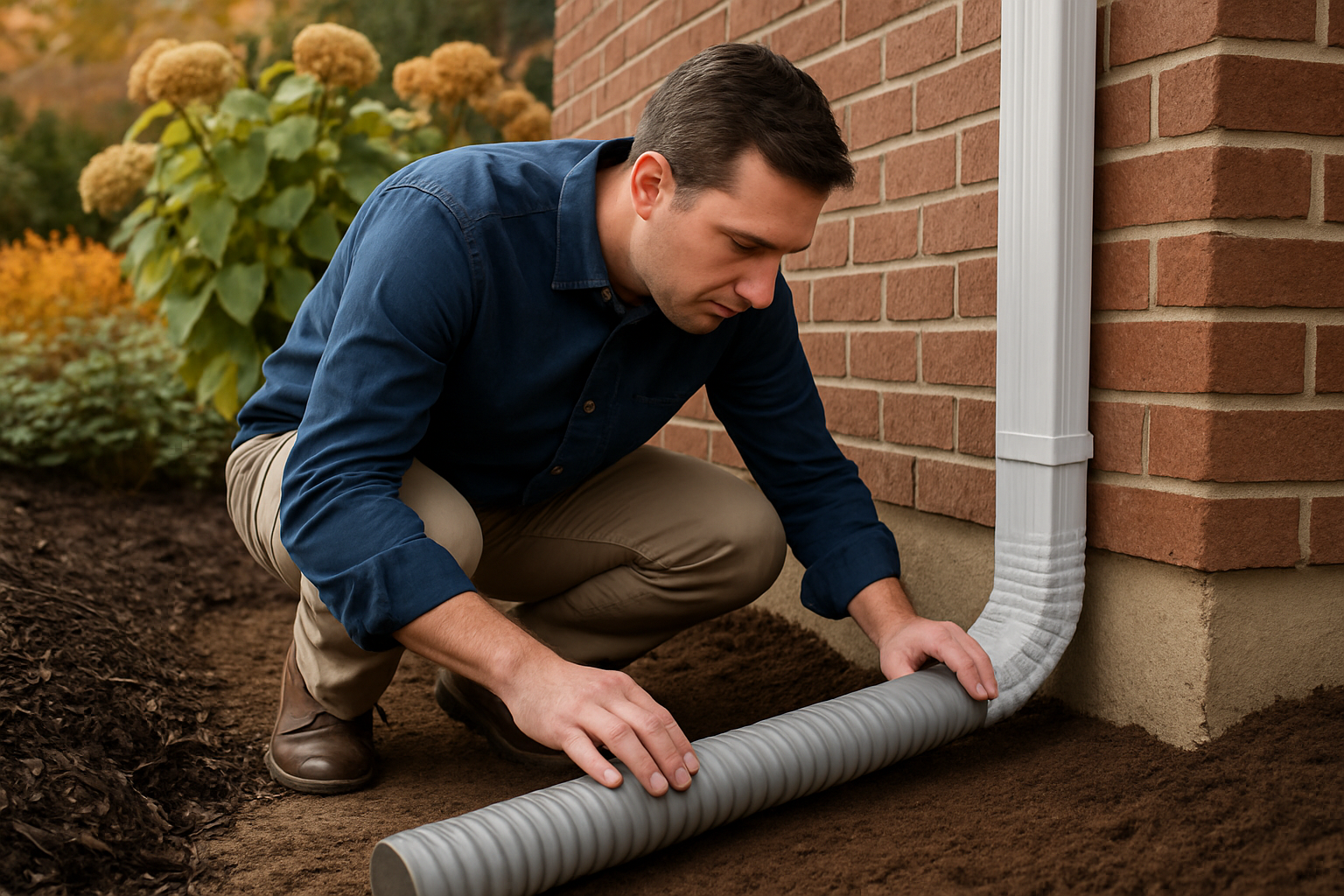
Downspouts should discharge water several feet away from the house. When they stop right at the foundation wall, they create a concentrated moisture problem. This is one of the most common drainage issues we see around Louisville homes.
Downspout extensions are affordable and easy to install. The goal is to move roof runoff away from the foundation and toward an area where it can drain safely. Avoid directing water toward a neighbor’s property, driveway low spots, or areas where it will flow back toward the house.
“We thought our basement leak was a major mystery, but Permajack helped us understand how much water was collecting near one corner of the house. Redirecting drainage and repairing the problem made a huge difference.”
— Local Louisville homeowner
3. Improve the Slope Around Your Home
The ground around your home should slope away from the foundation. If soil has settled over time, water may sit against the house after rain. This is especially noticeable in September when lawns can still be thick, and damp areas may stay wet longer in shaded spots.
Walk around your home after a rainfall and look for puddles near the foundation. Pay attention to low areas under hose bibs, beneath downspouts, near basement windows, and around patios or sidewalks.
- Add compacted soil to low areas near the foundation.
- Maintain a gentle slope away from the house.
- Avoid piling mulch directly against siding or foundation vents.
- Make sure landscaping borders do not trap water against the home.
Good grading is one of the first lines of defense against moisture problems. If water naturally moves away from your home, your basement, crawl space, and foundation are under less stress.
4. Watch Your Landscaping and Mulch
Landscaping adds beauty and curb appeal, but it can also contribute to moisture issues if not maintained properly. Thick mulch beds can hold water against the foundation. Overgrown shrubs can block airflow. Plant roots can affect drainage patterns around the home.
In September, many homeowners refresh landscaping for fall. As you do, keep moisture control in mind. Pull mulch back a few inches from the foundation. Trim bushes so air can circulate. Avoid creating raised beds that slope toward the home.
If you have basement windows or window wells, make sure they are clear of leaves, soil, and debris. Window wells that fill with water can lead to basement leaks quickly during heavy rain.
5. Check Your Basement for Early Warning Signs
Your basement can tell you a lot about what is happening outside. After a September rain, take a few minutes to inspect the walls, floor, corners, and areas around windows.
Look for signs such as:
- White chalky residue on walls, also called efflorescence.
- Musty odors that linger after humid days.
- Damp spots on concrete walls or floors.
- Cracks that appear wider or darker after rain.
- Peeling paint, warped paneling, or stained drywall.
Some warning signs may seem minor at first, but moisture issues rarely fix themselves. A small crack or damp spot can become a larger water intrusion problem, especially as seasons change.
6. Do Not Forget the Crawl Space
Many Louisville-area homes have crawl spaces, and they are often overlooked because they are out of sight. However, crawl space moisture can affect indoor air quality, wood framing, insulation, and even the comfort of your living space.
September humidity can keep crawl spaces damp, particularly if vents, drainage, or vapor barriers are not performing well. If you notice musty smells inside your home, uneven floors, or high indoor humidity, the crawl space may be part of the issue.
Common crawl space moisture concerns include standing water, mold-like growth, sagging insulation, rotting wood, and condensation on ducts or pipes. A professional inspection can help determine whether waterproofing, encapsulation, drainage improvements, or structural support is needed.
7. Inspect Concrete Around the Home
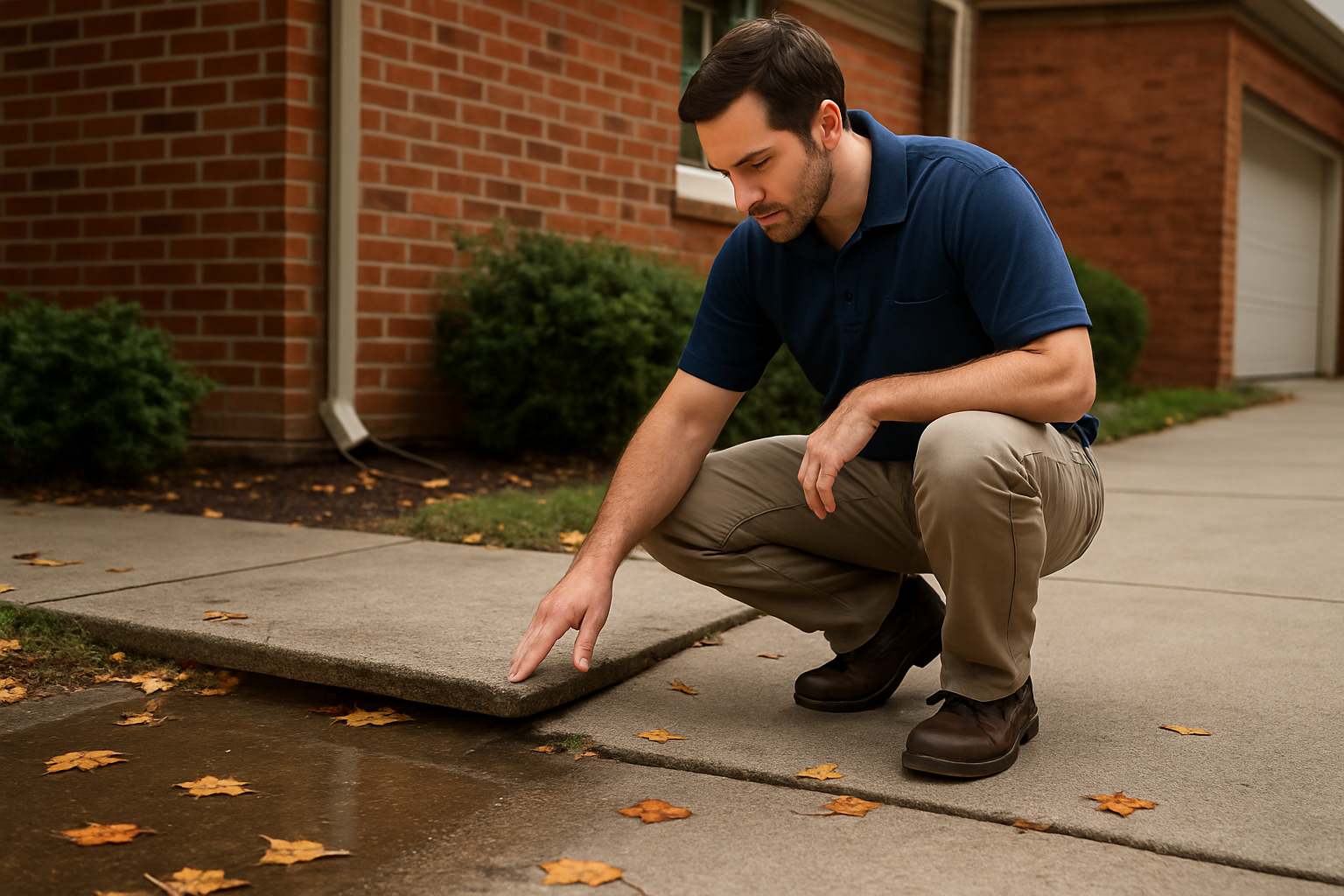
Moisture does not only affect basements and foundations. It can also impact driveways, sidewalks, patios, garage floors, and steps. When water gets beneath concrete slabs and the soil shifts or washes out, concrete can sink, crack, or become uneven.
September is a smart time to inspect exterior concrete before colder weather arrives. Uneven concrete can create trip hazards, drainage problems, and areas where water pools near the home. If your sidewalk slopes toward the foundation or your driveway has settled, water may be moving in the wrong direction.
When Simple Maintenance Is Not Enough
Cleaning gutters, adjusting downspouts, and improving grading can make a big difference. But if you already have foundation cracks, basement leaks, bowing walls, sinking concrete, or crawl space damage, it may be time for professional help.
At Permajack of Louisville, we specialize in solutions designed to protect your home from the ground up. Our work focuses on identifying the source of the problem—not just covering up the symptoms. Moisture around your home can be connected to drainage, soil movement, structural settlement, or waterproofing failure. That is why a proper evaluation matters.
Why Choose Permajack of Louisville?
Choosing a contractor for foundation or waterproofing work is an important decision. Your home is one of your biggest investments, and you deserve a team that understands local soil conditions, Louisville weather, and the challenges Kentucky homeowners face.
Permajack of Louisville brings local experience, practical solutions, and a commitment to doing the job right. We are not here to scare homeowners—we are here to educate, inspect, and recommend the repair approach that makes sense for your property.
Homeowners choose us because we offer:
- Local knowledge of Louisville-area soil, moisture, and foundation conditions.
- Foundation repair solutions for settling, cracking, or shifting structures.
- Basement waterproofing options to help manage leaks and water intrusion.
- Crawl space solutions that help reduce moisture and protect structural components.
- Concrete repair and stabilization services for uneven or sinking slabs.
- Straightforward communication from inspection through completion.
We know that moisture problems can feel stressful. Our goal is to help you understand what is happening, why it is happening, and how to address it before it becomes worse.
Schedule a September Moisture and Foundation Check
September is a great month to be proactive. Before leaves fall heavily, before winter weather arrives, and before moisture problems have more time to spread, take a close look around your property. Clean your gutters, extend your downspouts, check your grading, and inspect your basement or crawl space for signs of trouble.
If something does not look right, Permajack of Louisville is ready to help. Whether you are dealing with a damp basement, foundation cracks, a musty crawl space, or concrete that no longer drains properly, our team can evaluate the issue and recommend a dependable solution.
Contact Permajack of Louisville today to schedule an inspection and take the next step toward a drier, safer, and more stable home.
Recent Comments