

Dealing with your home’s foundation can feel overwhelming. It’s the base of everything, and when it’s not right, you start to notice issues all over. From tiny cracks to doors that just won’t close right, these are all signals that your foundation might need some attention. Ignoring these signs is like ignoring a small leak – it usually just gets worse and more expensive to fix later. This article will help you spot the signs that your foundation needs repair and explain why it’s best not to put it off.
Key Takeaways
- Visible signs like cracks in walls, sticking doors, and gaps around windows often point to foundation issues.
- Foundation settlement, poor drainage, and sinking ground can all indicate a problem that needs a foundation repair.
- Delaying foundation repair can lead to higher costs, more widespread structural damage, and compromised home safety.
- Foundation problems can negatively impact your property’s market value and deter potential buyers.
- Addressing foundation issues promptly helps prevent further damage, maintains your home’s integrity, and offers peace of mind.
Visible Signs Your Foundation Needs Repair
When you own a home, you’re always keeping an eye on things, right? You fix the leaky faucet, you mow the lawn, you maybe even tackle some painting. But there’s one part of your house that’s super important but easy to forget about until there’s a problem: the foundation. It’s literally what everything else sits on. If it’s not doing its job, things can get messy, and expensive, really fast. So, what should you be looking for? Paying attention to these common signs can save you a lot of headaches down the road.
Cracks in Walls and Floors
Okay, so you see a little crack in the drywall. Annoying, sure, but is it a big deal? Sometimes. If you’re seeing cracks that are wider than a pencil line, or if they’re running diagonally across a wall or floor, that’s a bigger flag. These aren’t just cosmetic issues; they often mean the ground underneath your foundation has shifted, pushing or pulling on your house. You might see these cracks near windows and doors, or even in the foundation itself if you’ve got a basement or crawl space. It’s a pretty clear indicator that something’s up with the structural integrity of your home.
Doors and Windows That Stick
Ever had to really shove a door open or wiggle a window to get it to close? It’s easy to blame humidity or the house settling a bit over time. But if it’s happening more often, or with multiple doors and windows, it could be your foundation talking. When the foundation shifts, it can actually warp the frame of your house. This makes it harder for doors and windows to operate smoothly. It’s like the house is twisting just a little bit, and your doors and windows are showing the strain.
Gaps Around Window and Door Frames
This one’s kind of related to the sticky doors and windows. If you notice a gap forming between your window or door frame and the wall, that’s another sign the house is moving. The frame isn’t sitting flush anymore because the foundation has settled or shifted. You might be able to see daylight through these gaps, or feel a draft. It’s not just about losing energy; these gaps mean the structure around them is no longer stable. It’s a good idea to check out common indicators of foundation issues if you spot this.
It’s easy to dismiss small issues, but foundation problems rarely fix themselves. What starts as a minor crack or a sticky door can, over time, lead to much larger and more costly repairs if left unaddressed. Think of these visible signs as your home’s way of telling you it needs attention before things get serious.
Understanding Foundation Settlement Issues
When your home’s foundation starts to settle, it’s not just about a few cracks appearing. This is a sign that the ground beneath your house is shifting, and that’s a big deal. Think of your foundation as the base of a very large, very important structure. If that base isn’t stable, the whole thing can start to have problems. It’s like a domino effect, but with your house.
Sinking Ground Around Your Property
One of the first things you might notice is the ground itself around your house looking a bit off. Maybe after a good rain, some areas stay soggy for too long, or conversely, they get bone dry way too fast. This points to drainage issues, which are a major culprit. When water doesn’t flow away from your home properly, it can saturate the soil, making it expand and push against your foundation. Or, if the soil dries out too much, it can shrink, leaving gaps. You might even see things like outdoor AC units or garden sheds starting to tilt because the ground they’re sitting on has sunk.
Uneven or Sloping Floors
If you’ve ever walked across your living room and felt like you were on a hill, that’s a pretty clear indicator. Your floors might start to slope noticeably in one direction. This happens because the foundation underneath that part of the house has settled more than other areas. It’s not just an aesthetic issue; it can affect how your furniture sits and even how doors and windows operate. This unevenness is a direct consequence of the foundation losing its level support.
Poor Drainage Leading to Soil Issues
This ties into the sinking ground point, but it’s worth highlighting on its own. The soil around your foundation is like a sponge. If it’s constantly holding too much water, it can become heavy and put immense pressure on your foundation walls. Over time, this can cause them to bow inward or crack. On the flip side, extremely dry soil can shrink away from the foundation, creating voids where water can then collect and cause more problems. It’s a cycle that can really damage your home’s structure if not addressed.
The soil around your foundation isn’t static. It expands and contracts based on moisture levels. When this movement is uneven or excessive, it directly impacts the stability of the concrete or masonry that supports your entire house. Understanding this interaction is key to recognizing foundation settlement.
The Risks of Delaying Foundation Repair
Putting off foundation repairs might seem like a good idea to save money in the short term, but it’s usually a bad move. Think of it like ignoring a small leak in your roof; it might not seem like a big deal at first, but that little drip can turn into a major problem that costs a fortune to fix later on. The same goes for your home’s foundation. When it starts to settle or crack, it’s a signal that something’s not right, and ignoring it can lead to a cascade of other issues.
Escalating Repair Costs Over Time
This is probably the most common reason people hesitate – the cost. Foundation repair isn’t cheap, and nobody wants to spend that kind of money if they don’t absolutely have to. But here’s the thing: the longer you wait, the more expensive it’s likely to get. A small crack can widen, a slight tilt can become a significant slope. These bigger problems require more extensive work, more materials, and more labor, all of which add up. What might have been a manageable fix a year ago could easily double or triple in price if left unattended.
Here’s a general idea of how costs can increase:
| Issue Severity | Estimated Repair Cost Range |
|---|---|
| Minor | $1,000 – $5,000 |
| Moderate | $5,000 – $15,000 |
| Severe | $15,000+ |
Note: These are rough estimates and can vary greatly based on location, foundation type, and the specific repair needed.
Potential for Widespread Structural Damage
Your foundation is literally the base of your entire house. If it’s compromised, everything built on top of it is affected. We’re not just talking about cosmetic cracks in the drywall anymore. A failing foundation can cause:
- Walls: Cracks can spread, and walls can start to bow inward or outward.
- Floors: Unevenness can worsen, leading to structural stress on the floor joists.
- Roof: The entire house can shift slightly, causing rooflines to sag or gutters to misalign, potentially leading to leaks.
- Plumbing: In some cases, foundation movement can even damage pipes running beneath the house.
It’s a domino effect. One problem leads to another, and soon you’re looking at a much larger, more complex repair job that affects multiple parts of your home. Ignoring the foundation is like ignoring a problem with your car’s tires – eventually, it’ll affect the engine, the brakes, and everything else.
Compromised Home Safety and Stability
Beyond the cost and the structural headaches, there’s the safety aspect. A foundation that’s failing isn’t just an inconvenience; it can become a genuine hazard. Think about it: your home is supposed to be a secure place. When the very ground it sits on is unstable, that sense of security is gone. In severe cases, significant foundation failure can lead to partial collapses, making your home unsafe to live in. Even minor instability can create tripping hazards or make you worry every time there’s a storm. It’s about protecting your investment, yes, but more importantly, it’s about protecting yourself and your family.
The longer you wait to address foundation issues, the more likely they are to spread and worsen, turning a manageable problem into a costly and potentially dangerous one. It’s always better to tackle these issues head-on before they have a chance to cause more significant damage.
Impact of Foundation Problems on Property Value
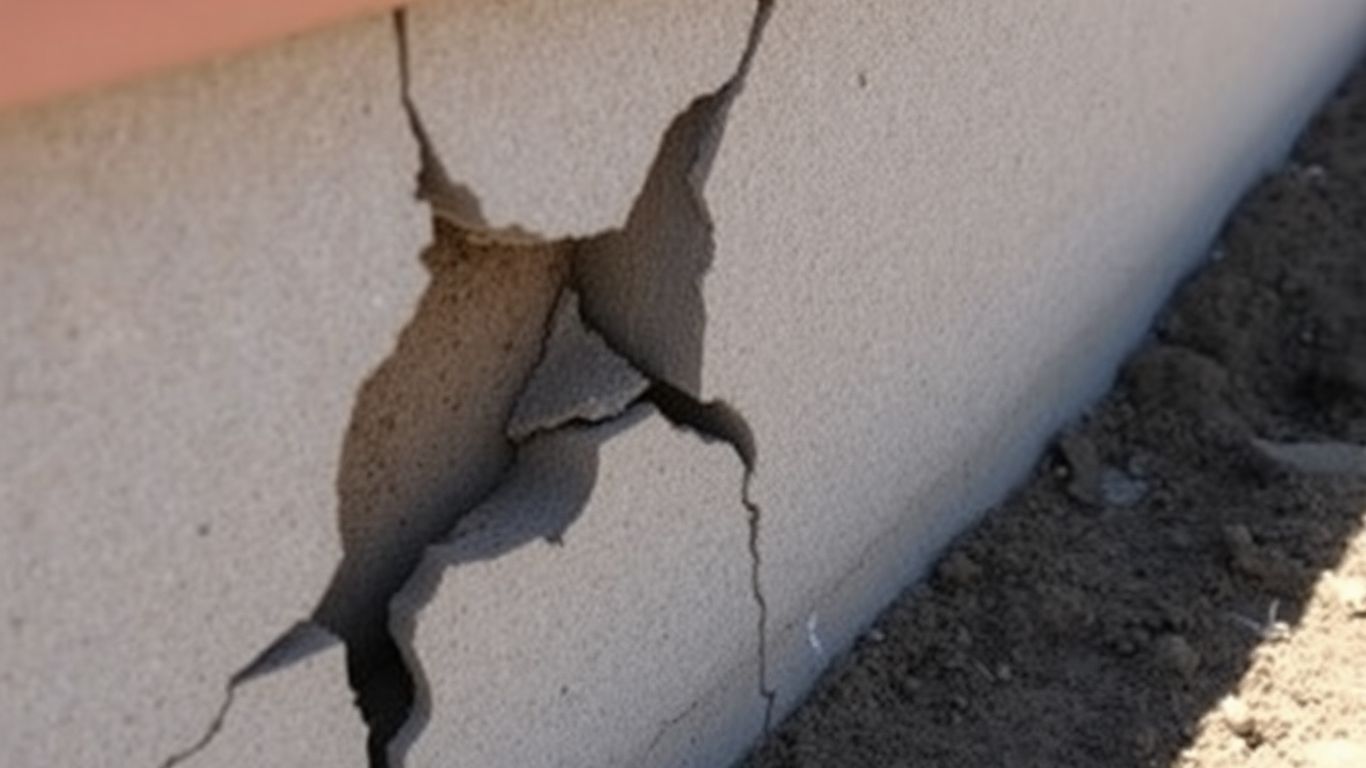
When your home’s foundation starts acting up, it’s not just about the immediate structural headaches; it can really mess with what your place is worth. Think about it from a buyer’s perspective. Nobody wants to walk into a house and immediately see cracks snaking up the walls or notice that the doors only close if you give them a good shove. These aren’t just cosmetic issues; they’re red flags waving wildly, signaling deeper problems that could cost a fortune to fix.
Decreased Market Value
Let’s be blunt: a house with a known foundation problem is going to sell for less. Buyers, especially those who are savvy or have had their own home inspection nightmares, will factor in the cost and hassle of repairs. They might even walk away entirely, no matter how great the neighborhood or how updated the kitchen is. It’s a tough pill to swallow, but that foundation issue becomes a major bargaining chip for potential buyers, driving down the asking price significantly.
Buyer Hesitation Due to Known Issues
Even if you try to downplay it, word gets around, or a thorough inspection will uncover the truth. Buyers are often hesitant to take on a property with a compromised foundation. They worry about the unknown extent of the damage and the potential for future problems. This hesitation can lead to your house sitting on the market for longer than you’d like, which can be stressful and financially draining.
Long-Term Financial Implications
Beyond the immediate hit on your sale price, there are other financial considerations. If you’re planning to live in the home for a while longer, those foundation issues can worsen, leading to more expensive repairs down the line. And if you’re looking to sell, the reduced sale price means less equity to put towards your next home. It’s a cycle that can impact your financial future, making it clear that addressing foundation problems isn’t just about home maintenance; it’s about protecting your investment.
Addressing Foundation Issues for a Safer Home
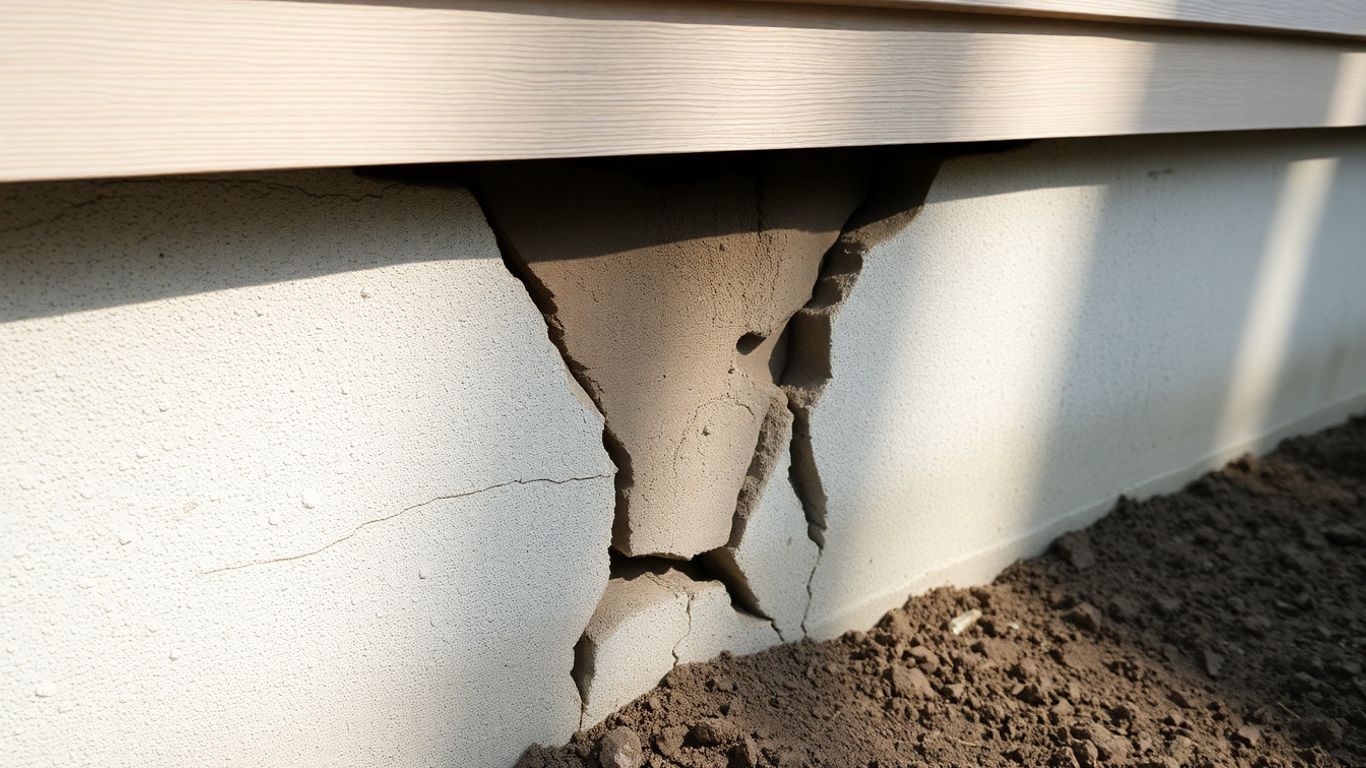
Taking care of your home’s foundation isn’t just about avoiding costly repairs down the line; it’s really about making sure your house is a safe and stable place for you and your family. When you ignore those little cracks or that sticky door, you’re not just letting a minor annoyance slide. You’re potentially opening the door to bigger problems that can affect the whole structure.
Preventing Further Structural Deterioration
Think of your foundation as the base of a pyramid. If that base starts to crumble, everything built on top is at risk. Small issues, like hairline cracks, can let in water. That water can freeze and expand in colder months, making the cracks bigger. Over time, this can lead to more serious problems, like sagging floors or even damage to your roof. Addressing foundation problems early stops this domino effect before it gets out of hand. It’s about protecting the integrity of your entire home.
Ensuring the Integrity of Your Home
Your home’s foundation is what keeps everything aligned. When it starts to shift or settle unevenly, it puts stress on all the other parts of your house. This can manifest in ways you might not immediately connect to the foundation, like:
- Doors and windows that suddenly become difficult to open or close.
- Cracks appearing in drywall or plaster, especially around openings.
- Floors that feel uneven or slope noticeably in certain areas.
- Gaps forming between window frames and the wall.
These aren’t just cosmetic issues; they’re signs that the underlying structure is compromised. Fixing the foundation means bringing everything back into alignment and preventing these stresses from causing more damage.
Peace of Mind for Homeowners
Honestly, knowing that the ground beneath your home is solid and that your house isn’t slowly settling or cracking is a huge relief. It means you don’t have to worry about unexpected, expensive repairs popping up or, worse, safety concerns. It allows you to truly relax and enjoy your home, knowing it’s a secure investment and a safe haven. It’s that feeling of security that makes dealing with foundation issues worthwhile.
When you invest in foundation repair, you’re not just fixing a problem; you’re investing in the long-term health and safety of your home. It’s a proactive step that pays off by preventing more significant damage and keeping your living space secure.
When to Consider Waiting for Foundation Repair
It’s easy to get caught up in the urgency when you hear about foundation problems. Many companies will tell you that you absolutely must fix it right away, no exceptions. But let’s be real, sometimes waiting makes more sense for your situation. It’s not always a five-alarm fire. You’ve got to weigh things, and that’s okay.
Making Financially Sound Decisions
Look, foundation repair isn’t cheap. It’s a big expense, and nobody wants to take on debt if they don’t have to. If the issue seems minor to you right now and your home still feels safe and functional, it might be perfectly fine to hold off. You’re not looking to rush into a major purchase. Saving up the money so you can pay for the repairs outright can be a much better financial move than taking out a loan or putting it on a credit card. Just remember that prices can go up over time, so it’s smart to save a little extra beyond any current quote you get. This way, you’re prepared for inflation.
Gaining History After Moving In
If you’ve just bought a new house, give yourself some time to get to know it. You might notice a small crack or a sticky door and wonder if it’s new or if it was already there. Since you haven’t lived through different seasons yet, you don’t know how the house behaves when it’s wet, dry, hot, or cold. It’s a good idea to observe for a full year. This gives you a chance to see if the issue is seasonal or if it’s something that persists. You can keep a little log of what you notice.
Assessing Minor Issues Over Time
Sometimes, what looks like a foundation problem might just be a minor cosmetic issue. Maybe it’s a small crack in the drywall that’s been there for ages, or perhaps a door that sticks only when it’s really humid. If these things aren’t impacting your daily life or making you feel unsafe, you can probably afford to watch them for a while. It’s about understanding the real impact. If the problem doesn’t seem significant and your home is still performing well, waiting to see how things develop is a reasonable approach. You can always get a professional opinion, but you don’t have to jump into repairs immediately if you’re not convinced it’s a major issue. Remember, most homes, if built correctly, won’t suddenly collapse.
It’s important to remember that not every crack or sticking door is a sign of imminent doom. Sometimes, these are minor issues that can be monitored. Taking the time to understand your home’s behavior over different conditions can save you money and stress in the long run.
So, What’s the Bottom Line?
Look, nobody wants to deal with foundation problems. It sounds like a huge, expensive headache. But seeing those cracks or noticing doors that don’t quite close right? Those aren’t just little quirks of an older house. They’re signals your home is sending you, and ignoring them is like ignoring a check engine light on your car. The longer you wait, the bigger and more costly the fix usually becomes. Plus, a shaky foundation can mess with your whole house, from the roof down to the basement, and even affect your energy bills. It’s really about keeping your home safe and sound for you and your family, and not letting a small issue turn into a major disaster down the road. So, if you’re seeing those signs, it’s probably time to get a professional opinion. Better safe than sorry, right?
Frequently Asked Questions
What are the main signs that my home’s foundation might need fixing?
Look out for cracks appearing in your walls or floors. Also, if your doors and windows start to stick or are hard to open and close, that’s a big clue. You might also notice gaps forming around the edges of your window and door frames. These are common signals that your foundation might be shifting.
Why is it so important to fix foundation problems right away?
Putting off foundation repairs can make things much worse and more expensive later on. Small issues can grow into big structural problems that affect your whole house. It’s also about keeping your home safe and stable for everyone living in it.
What happens if I ignore signs of foundation trouble?
If you ignore foundation problems, the damage can spread and get much more serious. This could mean costly repairs down the road, and it can also lower the value of your home. In severe cases, it can even create safety hazards.
Can foundation issues really affect how much my house is worth?
Yes, absolutely. Homes with known foundation problems are less attractive to buyers. They might offer less money or decide not to buy at all because they’re worried about the cost and hassle of repairs. Fixing the foundation can help maintain or even increase your home’s value.
Are there ever times when it’s okay to wait to get foundation repairs done?
Sometimes, yes. If the problem seems very minor and isn’t causing any immediate issues, or if you’ve just moved in and want to observe how the house behaves over a full year with changing seasons, you might be able to wait. It’s also okay to wait if you need time to save up financially for the repairs.
How much does foundation repair usually cost?
The cost can vary a lot. It depends on how bad the problem is, what kind of repair is needed, and where you live. Getting a professional inspection is the best way to get an accurate idea of the cost for your specific situation.
Recent Comments