

As homeowners, we want to keep our houses in good shape. Sometimes, though, problems can sneak up on us. We might not notice small issues until they become big ones. This can be especially true with the foundation of our homes. The foundation is super important, but it’s often hidden. We’ve put together some common signs that your home’s foundation might need attention. Catching these early can save a lot of trouble and money down the road, possibly meaning less need for costly foundation repair services.
Key Takeaways
- Watch for cracks in walls, ceilings, and floors, as these can point to foundation movement.
- Pay attention to any signs of water around your home, especially in the basement, as moisture can weaken the foundation.
- Look at the exterior of your house for issues like bowing walls or a leaning chimney, which are clear indicators of foundation problems.
Visible Foundation Issues
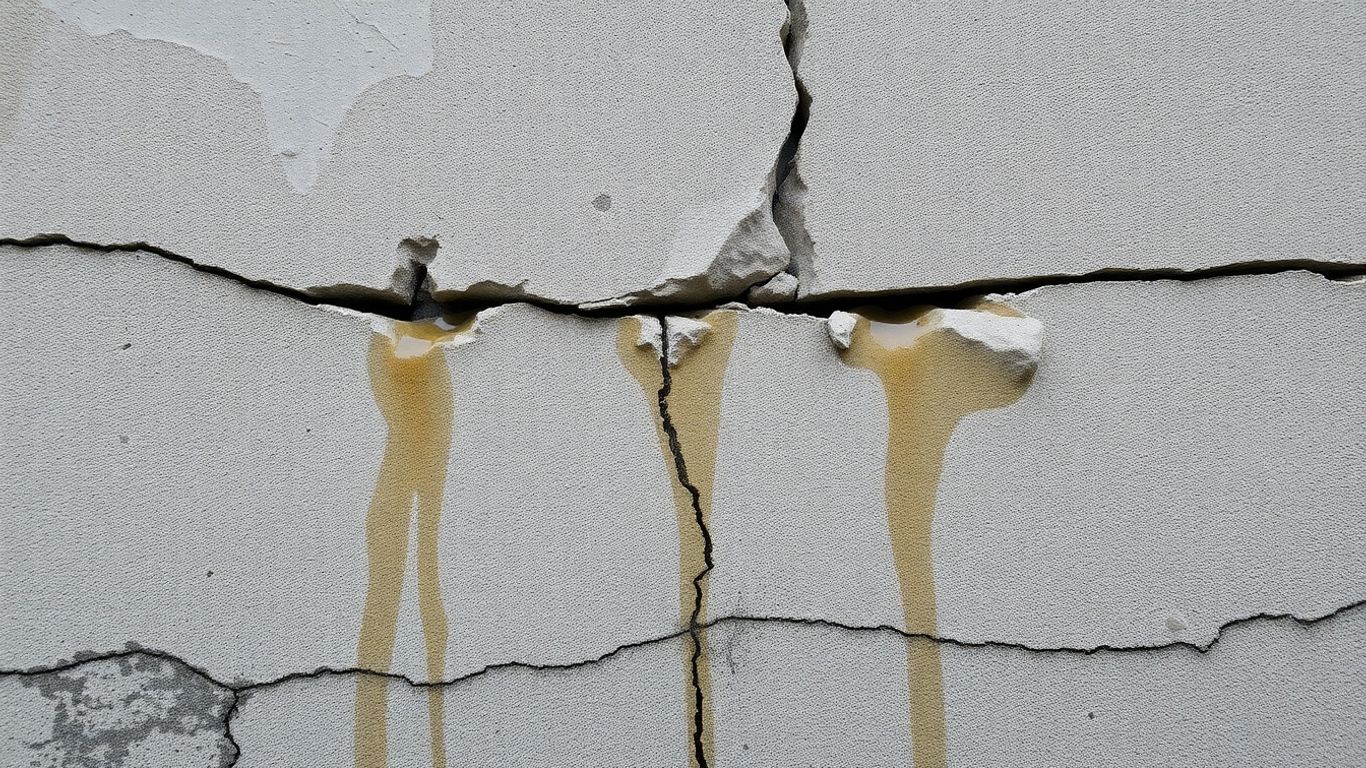
We often don’t think about our home’s foundation until something goes wrong. It’s the base of everything, literally. But sometimes, the signs that something’s amiss are right there for us to see. Paying attention to these visual cues can save us a lot of trouble down the line.
Cracks In Walls And Ceilings
When we notice cracks appearing in our drywall or plaster, it’s easy to dismiss them as just cosmetic. A little spackle and paint, right? Well, sometimes. But if these cracks are growing, widening, or appearing in multiple places, it could point to a bigger problem with the foundation settling or shifting. We should look out for cracks that run diagonally from the corners of doors and windows, or those that seem to be getting longer or wider over time. These aren’t just little imperfections; they can be signals of stress on the house’s structure.
Uneven Floors
Another thing we might overlook is the floor. If we feel like we’re walking downhill in our own home, or notice that doors and windows are sticking or not closing properly, it’s not just a quirk of an older house. This can happen when the foundation underneath starts to sink or heave. The floor joists, which are supported by the foundation, can become uneven, leading to slopes and dips. We should check if:
- Flooring materials like tile or hardwood are separating or buckling.
- There’s a noticeable slope when rolling a ball across the floor.
- Cabinets or countertops seem to be pulling away from the walls.
These signs, especially when seen together, suggest that the ground beneath our home might be moving, affecting the entire structure.
Signs Of Water Damage
Water damage can be a sneaky problem, often starting small and growing into something much bigger if we don’t catch it early. We’ve seen it happen, and it’s never a fun experience. It’s not just about the visible puddles; water can seep into places we don’t normally look, causing rot and weakening our home’s structure over time. Paying attention to a few key indicators can save us a lot of headaches and money down the road.
Basement Water Intrusion
Our basements are often the first place we notice water issues because they’re below ground level. If we start seeing damp spots on the walls, especially after a heavy rain, that’s a clear sign something’s up. Sometimes, it’s just a little bit of moisture, but other times, we might find actual puddles or even streams of water making their way in. This can happen through cracks in the foundation walls or where the walls meet the floor. We should also keep an eye out for efflorescence, which looks like a white, powdery substance on concrete walls – it’s a tell-tale sign that water has been present.
- Check for damp or wet spots on walls and floors.
- Look for cracks or gaps in the foundation where water could enter.
- Notice any musty or moldy smells, which often accompany hidden moisture.
- Observe if the problem gets worse after rain or snowmelt.
Water intrusion in the basement isn’t just an annoyance; it can lead to serious structural problems and create an unhealthy living environment. It’s important to address it promptly.
Mold And Mildew Growth
Mold and mildew are the unwelcome guests that show up when there’s too much moisture. We often find them in damp, dark areas like bathrooms, kitchens, or anywhere water might linger. They can appear as black, green, or white fuzzy patches on walls, ceilings, or even fabrics. Beyond being unsightly and having that distinct musty odor, mold can also affect our health, causing respiratory issues for some people. Finding mold or mildew is a strong indicator that there’s an underlying moisture problem we need to fix.
- Visible patches of mold or mildew on surfaces.
- A persistent musty or earthy smell, especially in enclosed spaces.
- Discoloration or staining on walls and ceilings that might indicate past or present water leaks.
- Peeling paint or wallpaper, which can be caused by moisture trapped behind it.
Exterior Foundation Problems
We often focus on what we can see inside our homes, but the foundation’s exterior tells a story too. Ignoring these signs can lead to bigger, more expensive repairs down the line. It’s worth taking a walk around your house to check things out.
Bowing Walls
When we talk about bowing walls, we’re usually referring to basement walls, particularly those made of concrete block or poured concrete. You might notice the wall starting to bulge inward, especially near the top or middle. This is often caused by hydrostatic pressure from the soil outside, which gets saturated with water. Over time, this constant pressure can push the wall inward. It’s a serious sign that your foundation is under stress. Sometimes, you’ll see horizontal cracks appear along with the bowing. We’ve seen cases where the bowing is slight, and other times it’s quite dramatic, making the wall look like it’s about to collapse.
Chimney Tilting
Your chimney might seem like a separate structure, but it’s actually connected to your foundation. If you notice your chimney leaning or tilting away from your house, it’s a clear indicator that the foundation beneath it is shifting. This can happen for a few reasons, including soil erosion around the base or uneven settling. A tilting chimney isn’t just an eyesore; it can also be a safety hazard. The flue could become misaligned, leading to smoke backing up into the house, or the chimney itself could become unstable. We’ve found that this issue often requires professional assessment to determine the extent of the damage and the best way to correct it.
Here are some things to look for regarding a tilting chimney:
- Visible lean when viewed from a distance.
- Cracks where the chimney meets the house.
- Gaps appearing between the chimney and the exterior siding.
- Loose or missing mortar in the chimney joints.
It’s easy to dismiss a slight lean in a chimney as just ‘settling,’ but it’s a symptom of a larger problem with the ground supporting your home. Addressing it early can prevent more significant structural issues.
Don’t Wait to Address Issues
We’ve gone over some of the common signs that might mean your house has structural problems. It’s easy to see a small crack or a bit of sagging and think, ‘Oh, that’s probably nothing.’ But we really want to stress that ignoring these things can lead to much bigger, more expensive repairs down the road. If you notice any of the issues we talked about, it’s best to get a professional opinion sooner rather than later. A good inspector or structural engineer can tell you what’s really going on and what needs to be done. Taking care of these problems early on will save you a lot of headaches and money in the long run, and it keeps your home safe for everyone.
Frequently Asked Questions
What are the first signs we should look for that might mean our house’s foundation has problems?
We should keep an eye out for cracks that appear in walls or ceilings, especially if they start to grow. Also, if we notice that floors aren’t level anymore, that’s a big clue. Sometimes, doors and windows might not close right either, which can point to foundation shifts.
How can we tell if water is causing damage to our home’s structure?
If we see water seeping into our basement, that’s a clear sign. We should also be watchful for any musty smells or visible mold and mildew, as these often show up where there’s too much moisture. Stains on walls or ceilings can also indicate past or ongoing water issues.
What exterior warnings suggest our foundation might be in trouble?
We should check if any outside walls seem to be leaning inward or bulging out. If our chimney looks like it’s leaning to one side, that’s another serious warning sign that the ground beneath it might be settling unevenly, putting stress on the whole structure.
Recent Comments