

September Home Checks: How Louisville Homeowners Can Spot Foundation and Drainage Problems Before Fall Rains Arrive
September in Louisville is a transition month. We still get warm afternoons, but cooler nights begin to settle in, lawns start changing, and the weather can swing from dry stretches to sudden heavy rain. For homeowners, this is one of the best times of year to walk around the house and look for early signs of foundation movement, drainage trouble, and moisture problems before fall and winter make them worse.
At Permajack of Louisville, we have spent decades helping homeowners throughout Louisville, Jefferson County, and surrounding Kentucky communities protect their homes from foundation settlement, bowing basement walls, crawl space moisture, and poor drainage. September is the perfect month to take a closer look because summer heat, clay soil movement, and late-season storms often reveal where your home may need attention.
Key Takeaways:
- September is a smart time to inspect your Louisville home because summer soil shrinkage and early fall rains can reveal foundation and drainage issues.
- Look for warning signs such as foundation cracks, sticking doors, uneven floors, pooling water, clogged gutters, and damp basement walls.
- Correcting drainage problems early can help reduce pressure on your foundation and prevent more expensive repairs later.
- Permajack of Louisville provides local experience, professional evaluations, and proven repair solutions designed for Kentucky soil conditions.
Why September Matters for Louisville Foundations
Louisville homes are built on soils that can expand and contract with changing moisture levels. During hot, dry summer periods, clay-heavy soil can shrink away from the foundation. When September storms or steady fall rains arrive, that same soil can absorb water and swell. This repeated movement can place stress on foundation walls, footings, basement walls, and crawl spaces.
In our area, it is common for homeowners to notice small changes around this time of year: a hairline crack that looks wider than it did in spring, a basement corner that feels damp, or a door that suddenly does not latch the way it used to. These are not always signs of a major structural issue, but they are worth checking. The earlier a problem is identified, the easier it often is to correct.
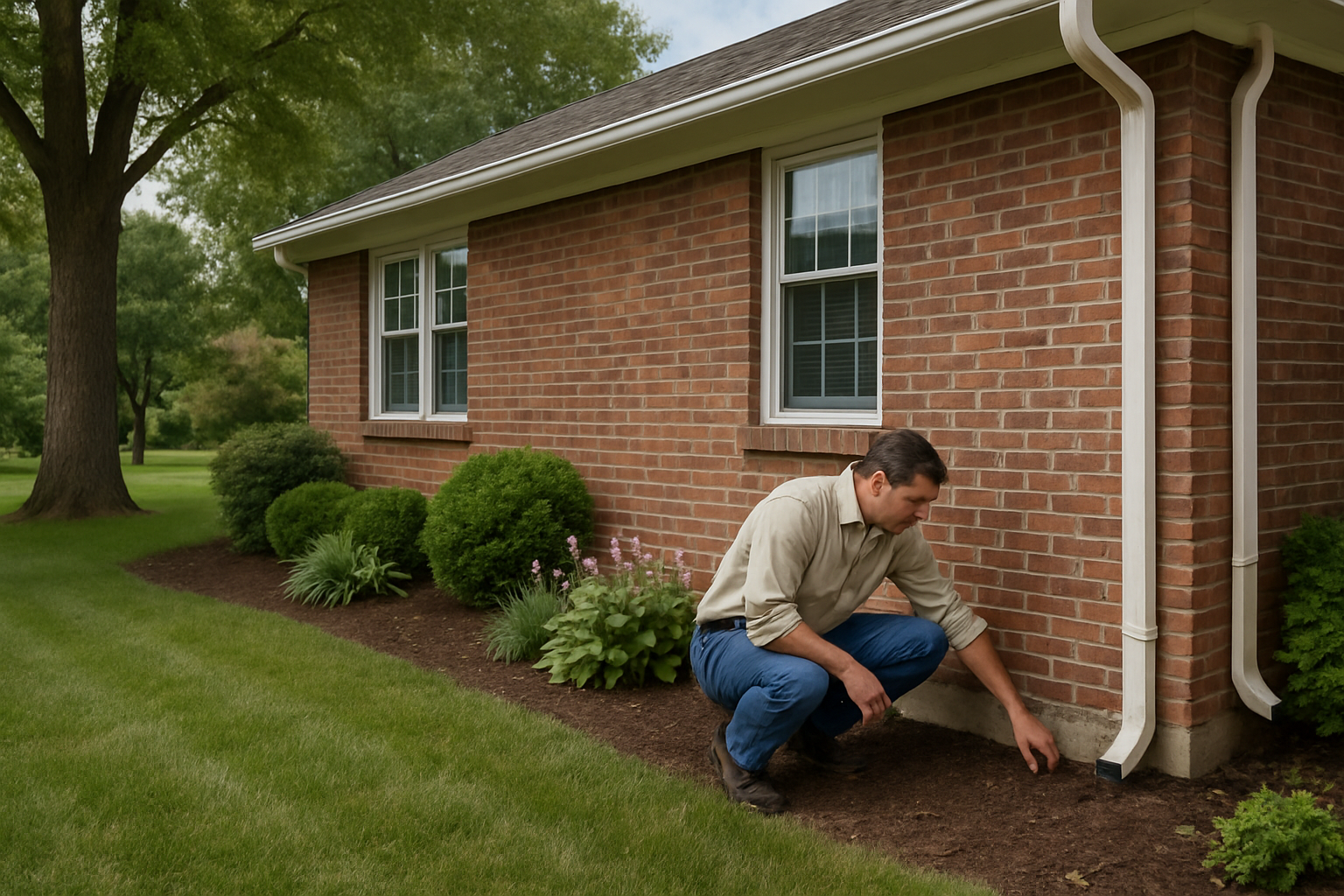
Start with a Walk Around the Outside of Your Home
A simple exterior inspection can tell you a lot about how your home is handling water. Choose a dry day after a recent rain if possible. Walk slowly around the entire foundation and pay close attention to the ground, gutters, downspouts, concrete, and visible foundation walls.
Here are exterior items to check in September:
- Soil gaps near the foundation: If the soil has pulled away from your foundation after a dry summer, water can run straight down along the wall during fall rain.
- Pooling water: Standing water near the foundation is a major warning sign that grading or drainage needs attention.
- Downspout discharge: Downspouts should direct water several feet away from the house, not dump it beside the foundation.
- Cracks in brick, block, or poured concrete: Stair-step cracks in brick or block can indicate movement and should be evaluated.
- Settling porches, steps, or sidewalks: Concrete that slopes toward the home can send water where you do not want it.
Louisville’s fall weather can bring heavy rain in short bursts. If your drainage system is not ready, water can collect around the foundation quickly. That water increases hydrostatic pressure against basement walls and can contribute to leaks, bowing walls, and structural stress.
Check Gutters and Downspouts Before Leaves Start Falling
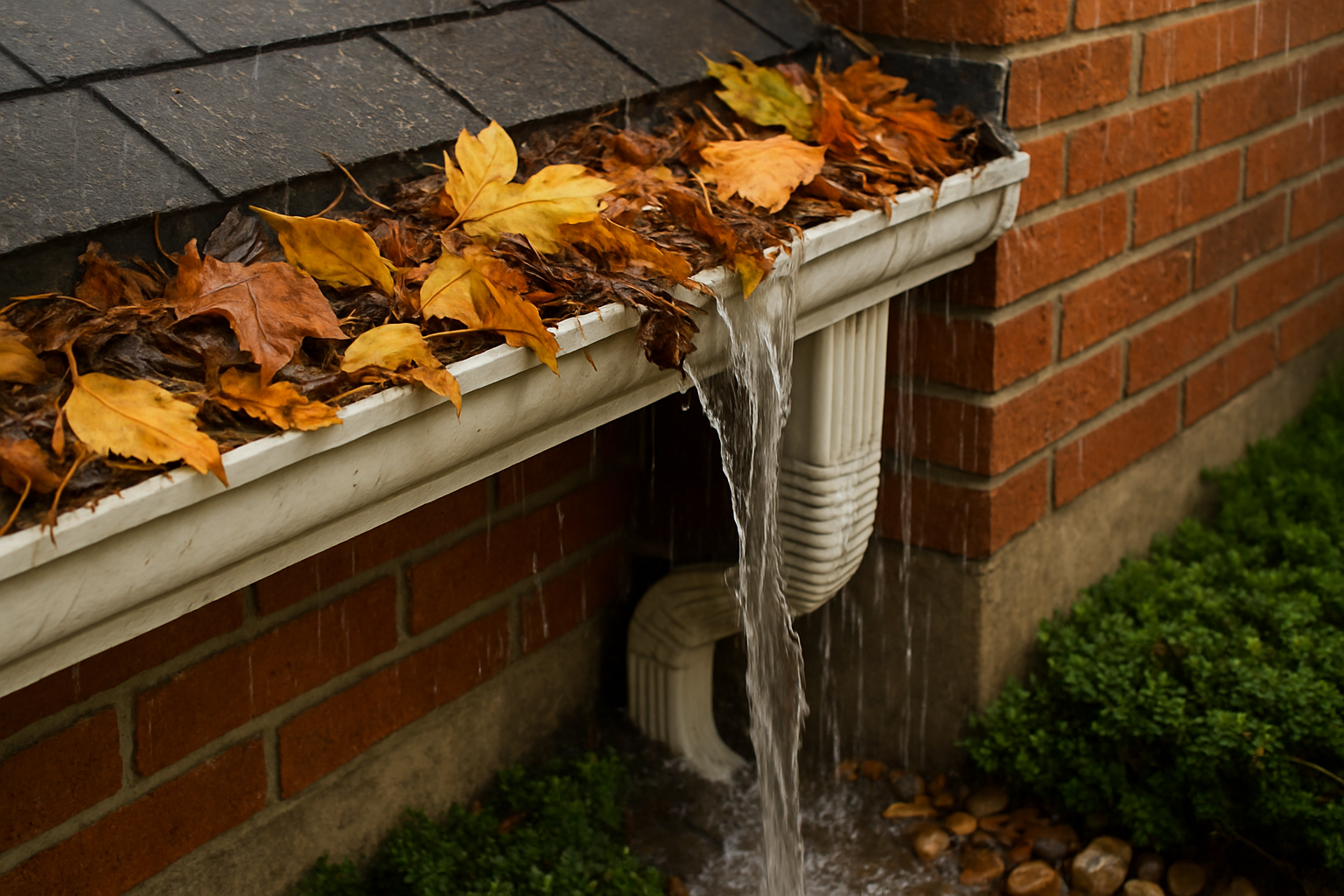
September is a great time to clean and test your gutter system before the heaviest leaf drop begins. Gutters are your home’s first line of defense against roof runoff. When they clog, overflow, or drain too close to the foundation, they can create serious moisture problems.
During your September check, look for:
- Leaves, twigs, shingle grit, or debris collecting in gutters
- Water stains on siding or fascia boards
- Downspouts that are disconnected, crushed, or undersized
- Extensions that have been moved during mowing or landscaping
- Areas where mulch or soil is built up too high against the foundation
A properly working gutter and downspout system helps move thousands of gallons of water away from your home each year. If that water is allowed to collect next to your foundation, it can contribute to basement leaks, settlement, crawl space humidity, and foundation wall movement.
Look Inside for Foundation Warning Signs
After checking the outside of your home, take a slow walk through the basement, crawl space, and main living areas. Foundation movement often shows up inside before homeowners realize there is a problem outside.
Watch for these interior signs:
- Cracks in drywall: Especially around doors, windows, and ceiling corners.
- Sticking doors or windows: If frames shift due to foundation movement, doors and windows may become harder to open or close.
- Uneven or sloping floors: Floors that feel bouncy, sagging, or out of level may point to support issues.
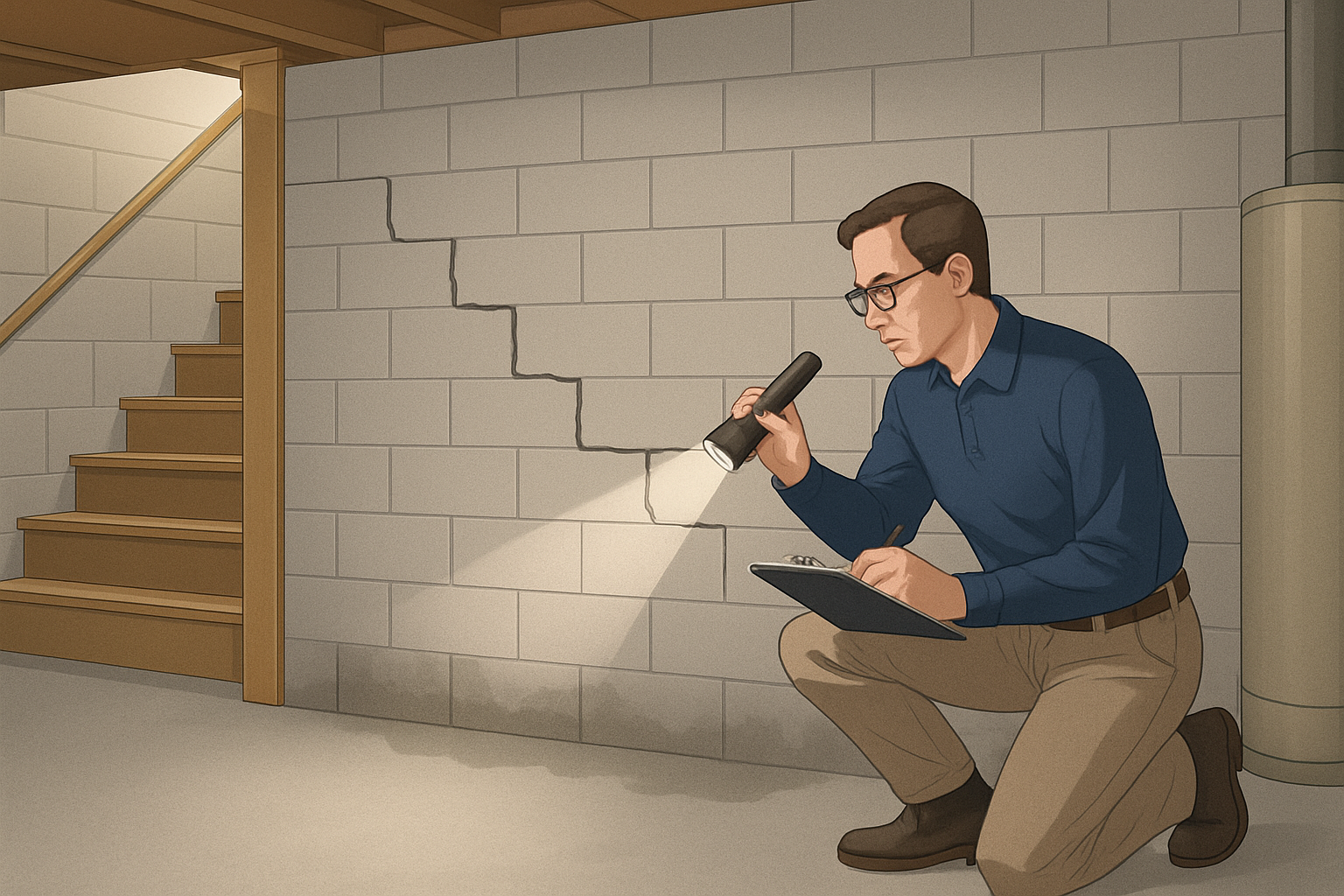
- Basement wall cracks: Horizontal cracks, stair-step cracks, or widening vertical cracks should be professionally reviewed.
- Dampness or musty odors: Moisture in a basement or crawl space can signal drainage problems or water intrusion.
Do not ignore small changes. A minor crack may remain stable for years, or it may be an early clue that your foundation is under stress. A professional inspection can help you understand the difference.
“We thought the small crack in our basement wall was just cosmetic, but Permajack of Louisville found that water pressure was starting to push the wall inward. They explained our options clearly and helped us fix the issue before it became a much bigger repair.”
— Louisville homeowner
Drainage Problems Often Lead to Foundation Problems
Many foundation concerns we see in Louisville are connected to water. Poor drainage can oversaturate the soil around your home, while dry periods can cause soil shrinkage and settlement. When moisture levels change repeatedly, your foundation may move with the soil.
Common drainage-related foundation problems include basement wall bowing, cracks in block walls, water seepage at the cove joint, crawl space moisture, sinking concrete, and uneven floors. These issues do not always appear overnight. They often develop gradually, which is why a September home check is so valuable.
If you notice that one side of your home stays wetter than the other, or that water consistently runs toward the house instead of away from it, it may be time to consider professional drainage improvements. Solutions may include downspout extensions, regrading, exterior drainage systems, interior drainage, sump pump improvements, or structural foundation repairs depending on the source and severity of the problem.
Pay Special Attention to Basements and Crawl Spaces
In Louisville, many homes have basements or crawl spaces that are vulnerable to seasonal moisture. September’s cooler nights can increase condensation, especially in crawl spaces with poor ventilation or inadequate moisture control. After summer humidity and before fall rains intensify, it is a good time to check these lower areas.
In your basement or crawl space, look for:
- Water stains on walls or floors
- Efflorescence, which looks like white powdery residue on masonry
- Rust on metal supports, appliances, or HVAC equipment
- Wood rot or soft floor joists
- Mold-like growth or musty smells
- Cracks that appear wider than before
If your crawl space feels damp or your basement smells musty, it is worth having it evaluated. Moisture problems can affect comfort, indoor air quality, energy efficiency, and the structural components of your home.
Why Choose Permajack of Louisville?
When it comes to your foundation, you want a company that understands local homes, local soils, and local weather patterns. Permajack of Louisville is not a one-size-fits-all contractor. We are a Louisville-based foundation repair company with deep experience solving the kinds of structural and drainage-related problems homeowners face in this region.
Homeowners choose Permajack of Louisville because we offer:
- Local expertise: We understand Louisville’s clay soils, seasonal rainfall, and common foundation issues in older and newer homes.
- Thorough evaluations: We look at the whole picture, including foundation movement, drainage, soil conditions, basement walls, crawl spaces, and water sources.
- Proven repair methods: Our team recommends solutions designed to address the cause of the problem, not just cover up the symptoms.
- Clear communication: We explain what we find, why it matters, and what options are available.
- Long-term value: Foundation and drainage repairs can help protect your home’s safety, stability, comfort, and resale value.
We know that calling a foundation repair company can feel overwhelming. Many homeowners worry that every crack means a major repair. That is not always the case. Our goal is to provide honest information so you can make the right decision for your home.
Schedule Your September Foundation and Drainage Check
September is a practical time to get ahead of foundation and drainage concerns in Louisville. The summer heat has already tested your soil, and fall rain is on the way. By inspecting your home now, you may be able to catch warning signs before water intrusion, wall movement, or settlement becomes more serious.
If you have noticed cracks, sticking doors, damp basement walls, pooling water, sloping floors, or crawl space moisture, Permajack of Louisville is ready to help. We can evaluate your home, identify the source of the problem, and recommend the right repair approach for your property.
Protect your home before fall weather creates bigger problems. Contact Permajack of Louisville today to schedule a professional foundation and drainage evaluation in the Louisville, KY area.
Recent Comments