

Protecting Your Sump Pump Before Louisville’s Rainy Season
October in Louisville can be a beautiful time of year—cooler mornings, colorful leaves, and weekends that finally feel comfortable again after the summer heat. But homeowners around Jefferson County also know that fall weather can change quickly. A sunny afternoon can turn into a soaking rain, and when leaves begin clogging gutters and downspouts, all that water has to go somewhere.
If your home has a basement or crawl space, your sump pump is one of the most important systems protecting it. At Permajack of Louisville, we have seen firsthand how quickly a small drainage problem can become a wet basement, damaged flooring, mold concerns, or foundation issues. Preparing your sump pump before heavier fall rains arrive is one of the smartest steps you can take to protect your home.
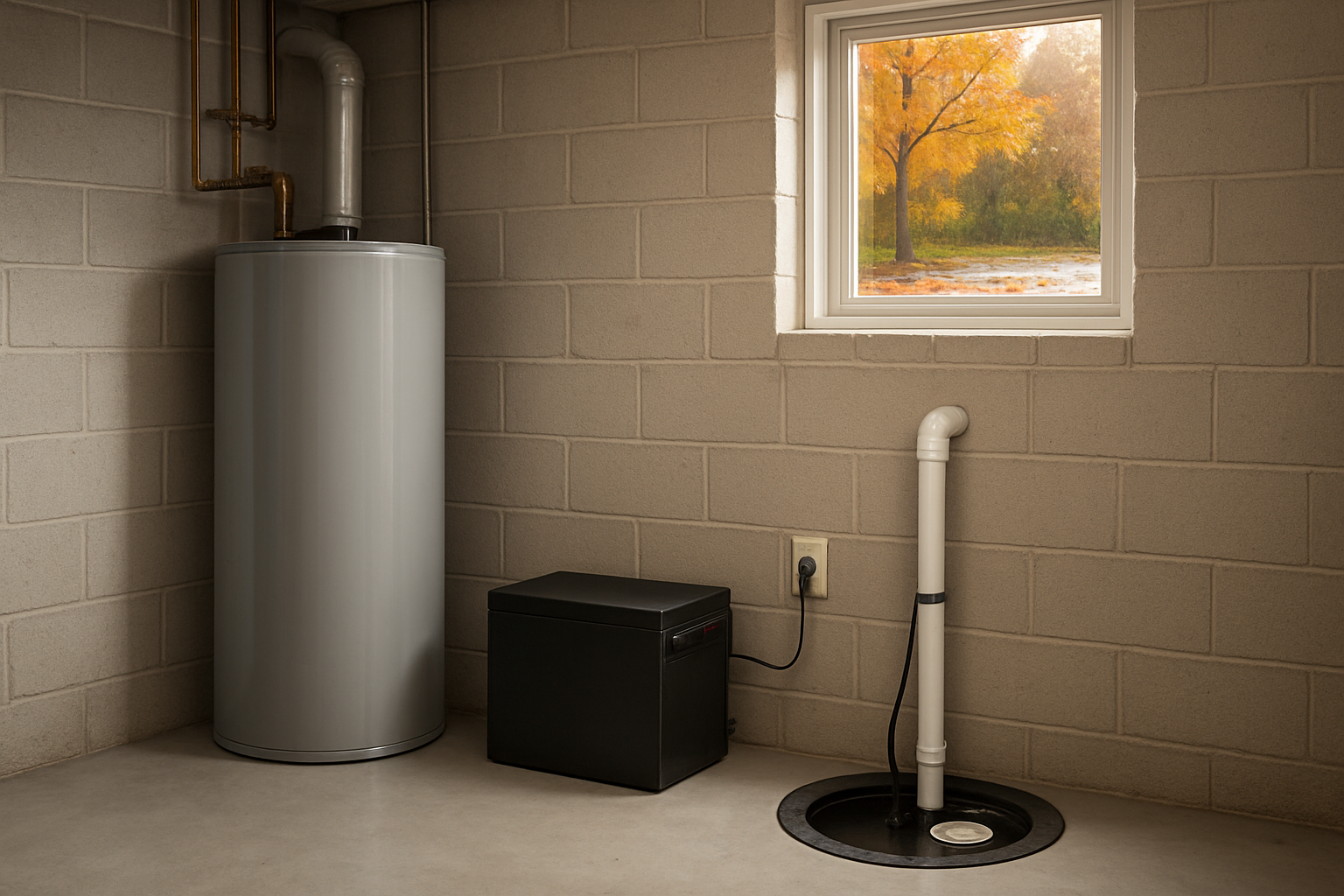
Why October Is the Right Time to Check Your Sump Pump
In Louisville, October often brings a mix of seasonal rain, falling leaves, cooler soil temperatures, and unpredictable storms. Even if your sump pump worked fine during the spring, it may not be ready for the next round of wet weather. Pumps can sit idle for weeks or months, and that downtime can hide problems until the first heavy rain exposes them.
Fall also creates a unique set of drainage challenges. Leaves can block gutters and exterior drains. Soil around the foundation can become saturated. Shorter days make it harder to spot standing water around the home. If your sump pump fails during a storm, water can quickly collect in the lowest part of the home.
Common October sump pump concerns include:
- Clogged discharge lines from leaves, dirt, or debris
- Stuck float switches caused by sediment in the pit
- Power outages during thunderstorms
- Overworked pumps from poor exterior drainage
- Undersized pumps that cannot keep up with heavy rainfall
A little prevention now can save you from an emergency call later.
Key Takeaways:
- Test your sump pump before heavy fall rain by pouring water into the pit and confirming the pump turns on, drains properly, and shuts off.
- Clear gutters, downspouts, and discharge lines so water is directed away from your foundation instead of back toward your basement.
- Consider a battery backup system to protect your home during October storms and power outages.
- Schedule a professional inspection if your pump is noisy, cycling constantly, slow to drain, or more than several years old.
How to Test Your Sump Pump Before the Rain Arrives
You do not have to wait for a storm to find out whether your sump pump works. A simple test can tell you a lot about the condition of the system.
Start by locating your sump pit and removing the cover if it has one. Look inside with a flashlight. The pit should be free of large debris, mud buildup, or anything that could interfere with the float switch. Then slowly pour a bucket of water into the pit. As the water level rises, the float should lift and trigger the pump. The pump should remove the water and shut off on its own.
While testing, pay attention to:
- Whether the pump turns on automatically
- How quickly the water level drops
- Any grinding, rattling, or humming noises
- Whether the float switch moves freely
- Where the water exits outside the home
If the pump does not turn on, runs continuously, or drains slowly, it is time to call a professional. Waiting until the next rainstorm can turn a repairable issue into a water damage problem.
Do Not Forget the Discharge Line
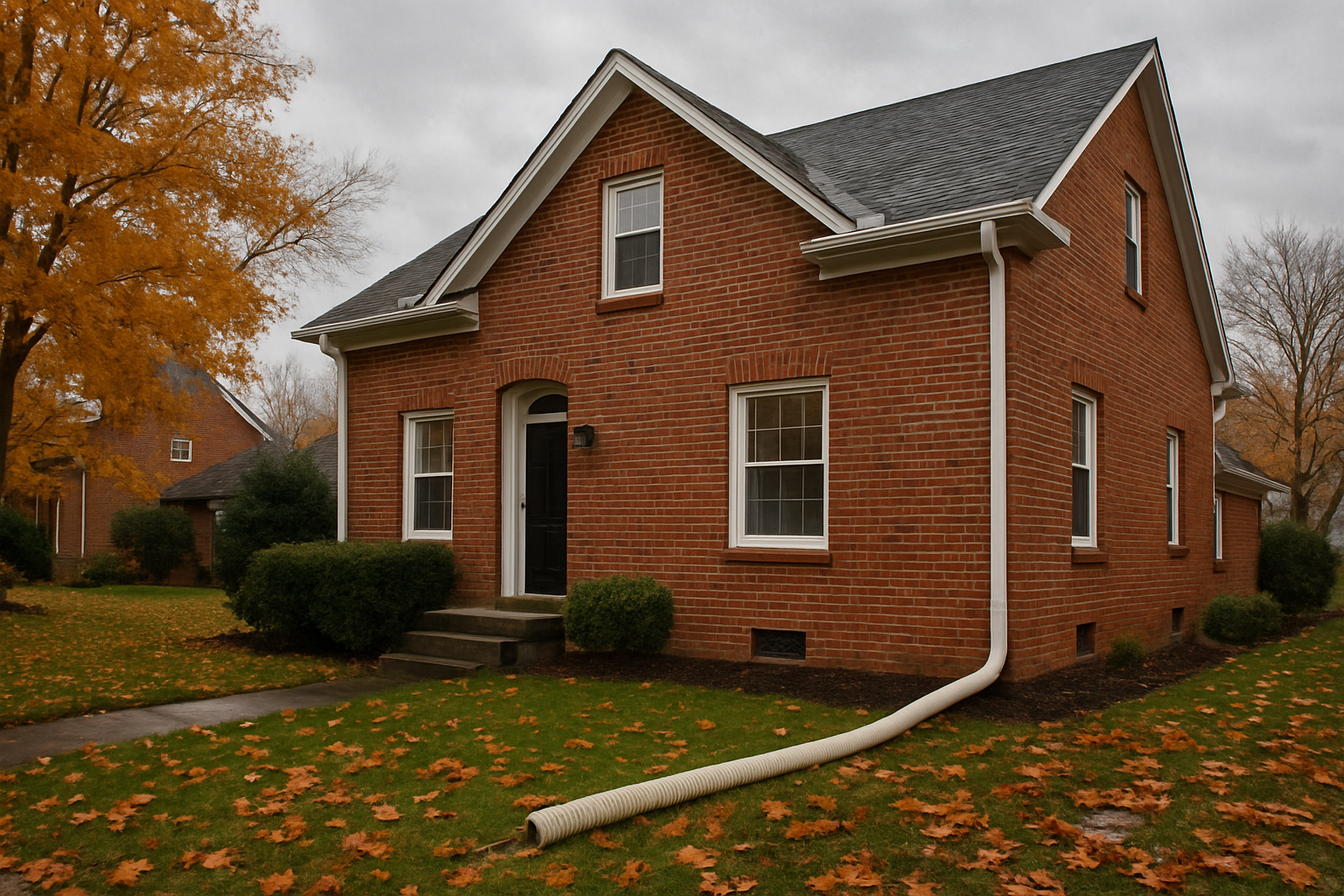
Your sump pump is only as effective as the pipe carrying water away from your home. In October, discharge lines can become clogged with leaves, mud, acorns, and lawn debris. If the line is blocked, water may back up into the pump basin or discharge too close to the foundation.
Walk around your home and find where the sump pump line exits. Make sure the end is clear and that water is directed away from the house. Ideally, discharge water should flow downhill and away from the foundation—not onto a sidewalk, driveway, or area where it can run right back toward the basement wall.
Battery Backup: Protection When the Power Goes Out
One of the most common reasons sump pumps fail is not because the pump itself is broken—it is because the power goes out. October storms in Louisville can bring wind, lightning, and sudden outages. Unfortunately, that is exactly when your sump pump may be needed most.
A battery backup system gives your sump pump protection when the electrical system is down. It can keep pumping water during an outage and provide peace of mind if you are away from home. For finished basements, stored belongings, or homes that have a history of water intrusion, a backup system is often one of the best investments you can make.
“After our basement took on water during a fall storm, Permajack helped us understand the real issue and installed a better drainage and sump pump solution. We feel a lot more confident when heavy rain is in the forecast now.”
— Louisville homeowner, St. Matthews area
Signs Your Sump Pump May Need Service or Replacement
Sump pumps do not last forever. Even a quality pump can wear down over time, especially if it handles frequent groundwater or stormwater. If your pump is older, noisy, or struggling, October is a good time to have it inspected before winter weather adds another layer of stress.
Call Permajack of Louisville if you notice:
- The pump is making loud or unusual noises
- The pump runs but does not remove water effectively
- The float switch sticks or fails to activate
- The pump turns on and off repeatedly
- There is a musty smell or visible moisture in the basement
- The sump pit overflows during moderate rain
- Your pump is more than 7 to 10 years old
Sometimes the solution is a repair or cleaning. Other times, the home may need a new pump, a larger-capacity pump, a battery backup, improved drainage, or a more complete waterproofing plan.
Your Sump Pump Is Part of a Bigger Waterproofing System
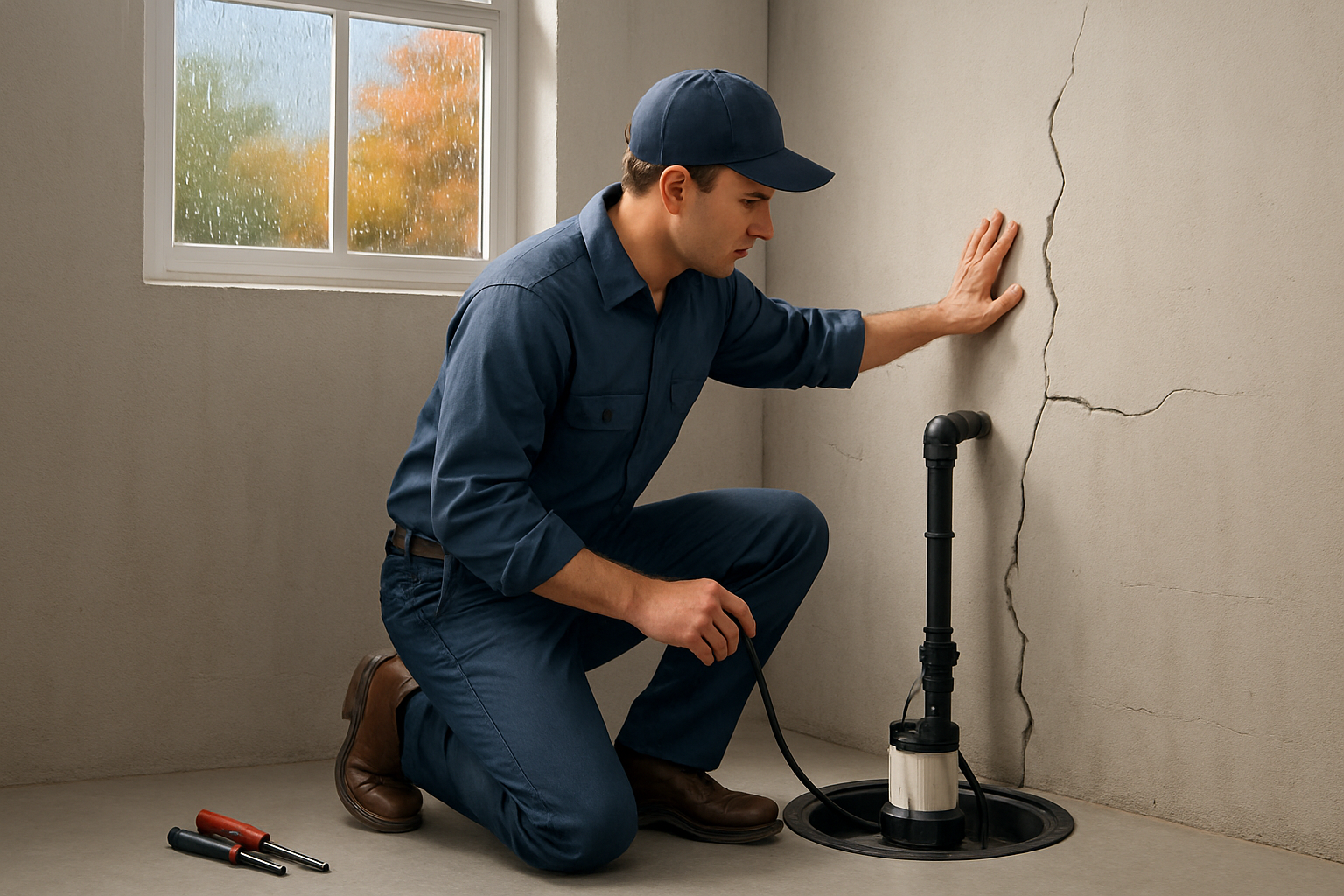
At Permajack of Louisville, we believe in looking at the whole picture. A sump pump is important, but it is only one part of protecting your basement and foundation. If gutters are overflowing, downspouts are too short, grading slopes toward the home, or foundation cracks are allowing water in, the sump pump may be forced to work harder than it should.
Our team looks for the source of the water problem, not just the symptom. That may include evaluating foundation walls, drainage patterns, crawl space conditions, basement moisture, and structural concerns. Louisville homes vary widely—from older properties in the Highlands and Germantown to newer homes in the East End—and each home deserves a solution that fits its construction, soil conditions, and water exposure.
Why Choose Permajack of Louisville?
When you invite a contractor into your home, you want experience, honesty, and a solution that lasts. Permajack of Louisville has built its reputation by helping local homeowners protect their foundations, basements, and crawl spaces from Kentucky’s challenging soil and weather conditions.
Customers choose Permajack of Louisville because we offer:
- Local knowledge of Louisville weather, soil, drainage, and foundation concerns
- Experienced inspections focused on long-term solutions
- Professional sump pump, waterproofing, and foundation repair services
- Straightforward recommendations without unnecessary pressure
- Solutions designed to protect your home, belongings, and peace of mind
As owners, we understand that your home is more than a structure. It is where your family lives, where you store memories, and often your largest investment. That is why we take water problems seriously. A damp basement may start as an inconvenience, but over time it can contribute to mold, wood rot, odors, damaged finishes, and foundation stress.
Schedule Your Fall Sump Pump Inspection
Before Louisville’s fall rains settle in, take time to test your sump pump, clear your gutters, check your discharge line, and think about backup protection. If you are unsure whether your system is ready, Permajack of Louisville is here to help.
Whether you need a simple sump pump inspection, a replacement pump, a battery backup, basement waterproofing, crawl space drainage, or foundation repair, our team can help you find the right solution for your home.
Do not wait until water is on the basement floor. Contact Permajack of Louisville today to schedule an inspection and protect your home before the next October rainstorm rolls through.
Recent Comments