

Protecting Your Home from Moisture Damage During Louisville’s August Humidity
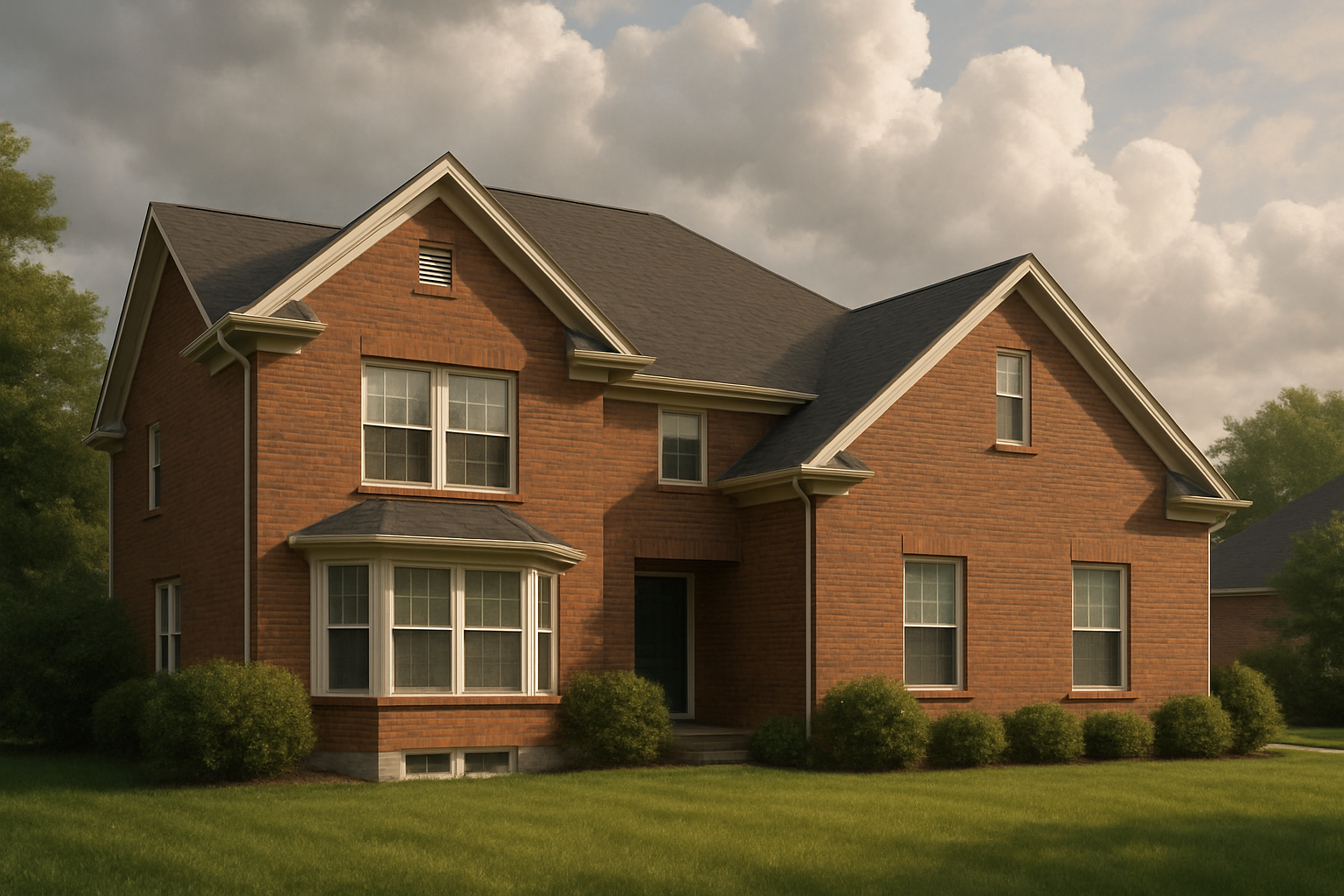
August in Louisville is no joke. Between heavy, humid air, pop-up thunderstorms, muggy nights, and the kind of heat that makes everything feel damp, your home is working hard this time of year. As the owner of Permajack of Louisville, I’ve seen firsthand how our local weather can affect basements, crawl spaces, foundations, and indoor air quality.
Moisture damage often starts quietly. A little musty smell in the basement. Condensation on ductwork. A crawl space that feels damp. Small cracks in the foundation. By the time homeowners notice water stains, mold growth, or uneven floors, the moisture problem may have been building for months or even years.
The good news is that with the right prevention and a trusted local team, Louisville homeowners can protect their homes before moisture turns into expensive structural damage.
Key Takeaways:
- Louisville’s August humidity can contribute to basement dampness, crawl space moisture, mold growth, and foundation problems.
- Watch for warning signs like musty odors, condensation, cracks, standing water, sagging floors, and high indoor humidity.
- Proper drainage, crawl space encapsulation, basement waterproofing, and foundation repair can help protect your home long-term.
- Permajack of Louisville understands local soil, weather patterns, and moisture issues unique to homes in our area.
Why August Humidity Is Hard on Louisville Homes
Louisville’s late-summer weather creates the perfect conditions for moisture problems. Warm air holds more moisture than cool air, and during August, our humidity levels often stay high for days at a time. When that damp air enters your basement or crawl space, it can condense on cooler surfaces like concrete walls, pipes, ductwork, floor joists, and insulation.
In addition to humidity, August storms can dump a large amount of rain in a short period. When the soil around your foundation becomes saturated, hydrostatic pressure builds against basement walls. Over time, this pressure can push water through cracks, joints, and porous concrete.
Louisville homes are also affected by our region’s clay-heavy soils. Clay soil expands when wet and shrinks when dry. This constant movement can place stress on foundation walls and footings, especially during a summer that swings between dry heat and heavy rain.
Common Signs of Moisture Damage
Moisture damage can show up in several ways. Some signs are obvious, while others are easy to overlook. During August, we recommend homeowners take a few minutes to inspect basements, crawl spaces, and the exterior perimeter of the home.
- Musty odors: A damp, earthy smell often indicates excess moisture, mold, or mildew.
- Condensation: Moisture on windows, pipes, ductwork, or basement walls can mean humidity levels are too high.
- Water stains: Discoloration on walls, floors, or baseboards may point to past or current water intrusion.
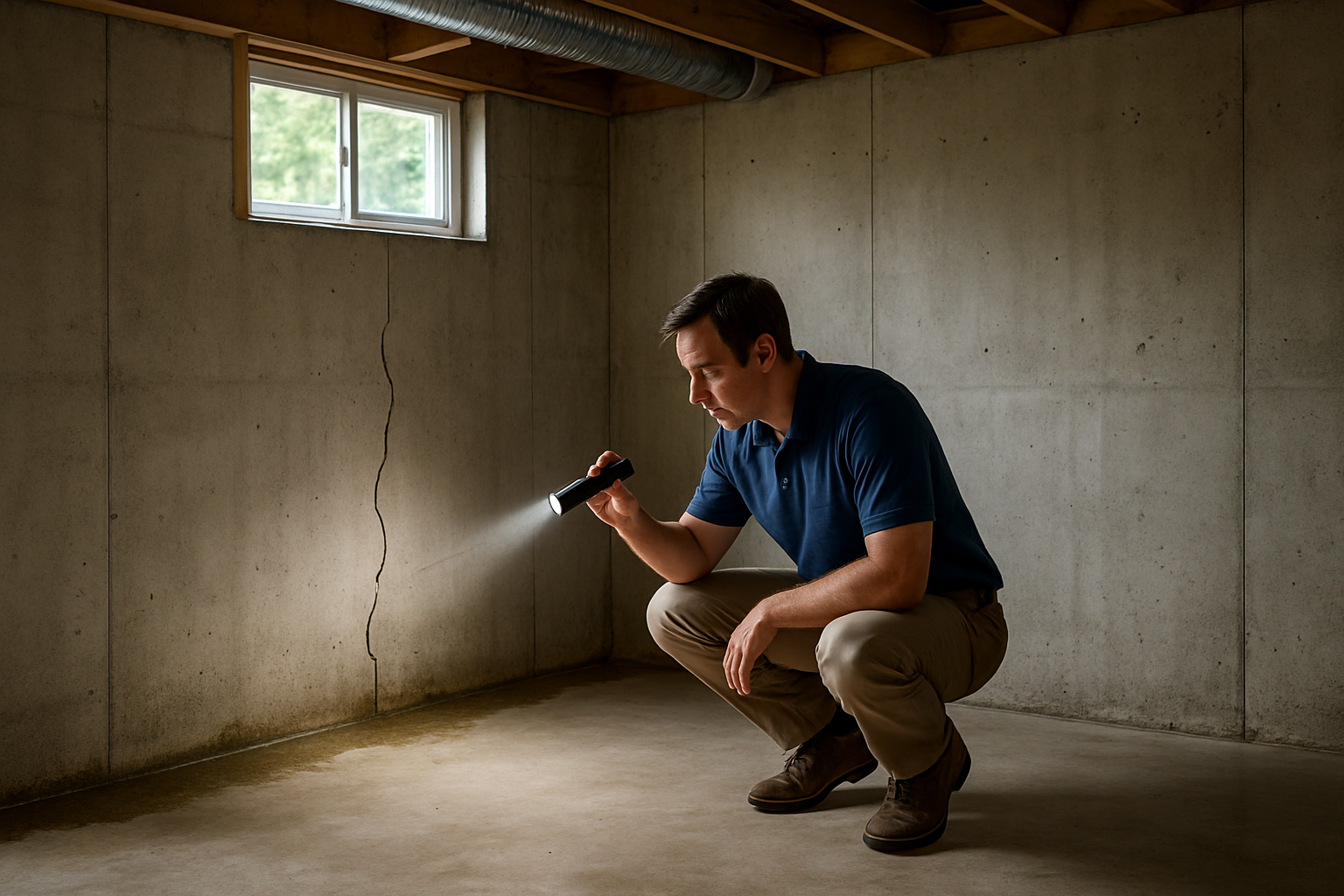
- Cracks in foundation walls: Horizontal, stair-step, or widening cracks should be evaluated by a professional.
- Efflorescence: A white, chalky residue on concrete or masonry can be a sign water is moving through the wall.
- Sagging or uneven floors: In homes with crawl spaces, moisture-damaged wood can weaken floor support.
- Visible mold or mildew: Mold thrives in damp, humid spaces and should never be ignored.
If you notice any of these issues, it’s best to address them early. Moisture problems rarely fix themselves. In most cases, they get worse with each storm, each humid day, and each seasonal shift.
How Moisture Affects Your Foundation
Your foundation is designed to support your entire home, but it is constantly interacting with the soil around it. In Louisville, soil moisture changes can cause ongoing pressure against the foundation. When water is not properly managed, the risk of foundation settlement, wall bowing, and cracking increases.
Basement walls may begin to bow inward when saturated soil pushes against them. Cracks can form where stress is concentrated. In crawl spaces, excess humidity can weaken wooden beams, joists, and support posts. Over time, this may cause floors to slope, bounce, or sag.
Moisture can also affect indoor air quality. Air from crawl spaces and basements often moves upward into the living areas of the home. If those lower spaces are damp, musty, or mold-prone, your family may be breathing air that has passed through those conditions.
“Permajack of Louisville helped us understand that our musty crawl space was more than just an odor problem. They explained what was happening under the house and gave us a clear plan to protect it.”
— Local Louisville Homeowner
Practical Steps to Protect Your Home in August
There are several smart steps homeowners can take during Louisville’s humid summer months. Some are simple maintenance tasks, while others require professional inspection and repair.
- Check your gutters and downspouts: Make sure gutters are clean and downspouts carry water several feet away from the foundation.
- Inspect grading around your home: Soil should slope away from the foundation so rainwater does not collect near basement walls.
- Monitor indoor humidity: Ideally, indoor humidity should be kept around 30% to 50% when possible.
- Look for standing water: After a storm, check for puddles near the foundation, in window wells, or inside the basement or crawl space.
- Seal obvious entry points: Gaps around pipes, vents, and exterior penetrations can allow humid air and water to enter.
- Schedule a professional inspection: If you see cracks, water stains, mold, or sagging floors, have the issue evaluated before it worsens.
These steps can help reduce moisture risk, but if your home already has water intrusion or structural movement, you may need a more permanent solution.
Solutions That Help Control Moisture and Protect Your Home
At Permajack of Louisville, we do not believe in one-size-fits-all repairs. Every home is different, and the right solution depends on your foundation type, drainage conditions, soil movement, and the severity of the moisture problem.
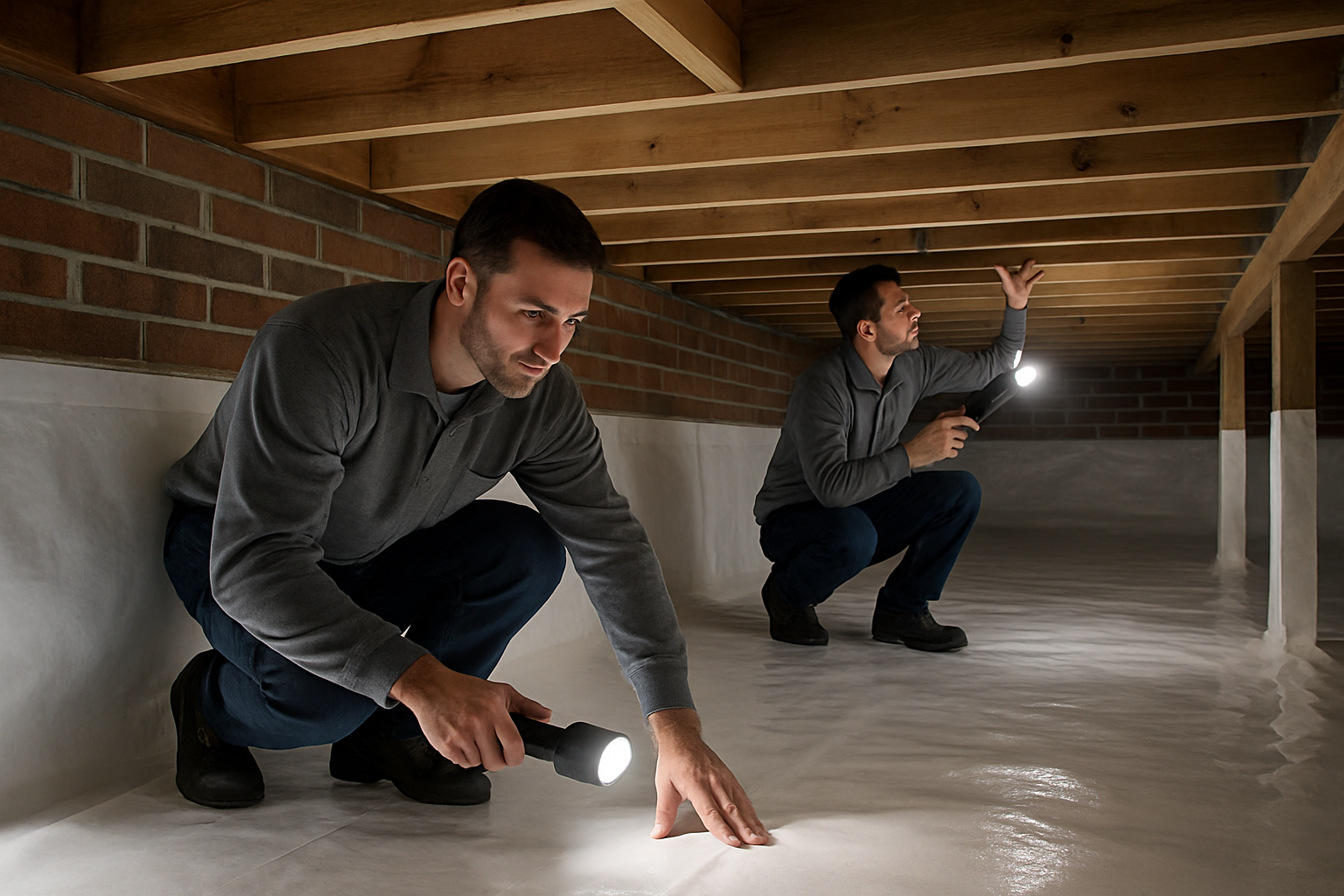
Common solutions may include basement waterproofing, drainage improvements, sump pump systems, crawl space encapsulation, structural supports, and foundation repair. Crawl space encapsulation is especially valuable during Louisville’s humid months because it helps separate your home from damp ground conditions and outside air. A properly sealed crawl space can reduce moisture, improve comfort, and help protect wood framing from rot and mold.
For basements, managing water at the source is critical. That may mean improving exterior drainage, installing interior drainage systems, repairing cracks, or adding a reliable sump pump. If foundation movement is present, structural repair may be necessary to stabilize the home and prevent further damage.
Why Choose Permajack of Louisville?
When it comes to moisture damage and foundation concerns, local experience matters. Louisville homes face a specific combination of humid summers, stormwater runoff, aging neighborhoods, clay soils, and seasonal soil movement. Our team understands these conditions because we work with them every day.
As a locally focused company, Permajack of Louisville is committed to helping homeowners protect the long-term value, safety, and comfort of their homes. We take the time to inspect the problem, explain what we find, and recommend practical solutions designed for your property.
Homeowners choose Permajack of Louisville because we offer:
- Local knowledge: We understand the moisture and foundation challenges common throughout Louisville and surrounding communities.
- Honest evaluations: We focus on identifying the real cause of the problem, not selling unnecessary work.
- Long-term solutions: Our goal is to help protect your home beyond the next rainstorm or humid week.
- Foundation and moisture expertise: We look at both structural stability and water control, because the two often go hand in hand.
- Customer-focused service: We treat your home with respect and communicate clearly throughout the process.
Do Not Wait Until Moisture Becomes Structural Damage
August is one of the most important months for Louisville homeowners to pay attention to moisture. The air is humid, storms can be intense, and small foundation or drainage issues can quickly become more serious. If your basement smells musty, your crawl space feels damp, or you have noticed cracks, water stains, or uneven floors, now is the time to act.
Protecting your home from moisture damage is not just about comfort. It is about preserving your foundation, improving indoor air quality, preventing mold, and maintaining the value of your property.
At Permajack of Louisville, we are here to help you understand what is happening in and around your home and provide solutions that make sense for Louisville’s climate. If you are concerned about moisture, humidity, or foundation damage this August, contact Permajack of Louisville to schedule an inspection and take the first step toward a drier, stronger, healthier home.
Recent Comments