

When we own a commercial property, we know the foundation is the bedrock of its stability. Problems with it can cause a lot of headaches and expense. We want to help you spot issues early and know when it’s time to get help. This article will guide you through common foundation troubles and how to keep your property sound.
Key Takeaways
- We should watch for signs like cracks in walls or uneven floors, as these can point to foundation damage.
- Soil changes, like swelling or shrinking, can put stress on a commercial building’s foundation.
- Regular checks and knowing when to call for commercial foundation repair are important for protecting our investment.
Understanding Common Commercial Foundation Issues
When we talk about commercial properties, the foundation is like the bedrock of our business operations. If it’s not solid, everything else is at risk. We need to be aware of the common problems that can crop up and what they mean for our buildings.
Recognizing Early Warning Signs of Foundation Damage
Spotting foundation trouble early can save us a lot of headaches and money down the line. Sometimes, the signs are pretty obvious, but other times, they’re more subtle. We should keep an eye out for:
- Cracks in walls or ceilings: These can start small, like hairline fractures, but they often grow if the foundation is shifting. Pay attention to cracks that run horizontally or diagonally.
- Doors and windows that stick or won’t close properly: If the frame of your building is warping because the foundation is uneven, you’ll notice this. It’s not just about humidity; it could be a structural issue.
- Floors that are uneven or sloping: A floor that feels like it’s dipping in the middle or tilting towards one side is a clear indicator that something’s wrong beneath the surface.
- Gaps appearing between walls and the ceiling or floor: This suggests that the foundation has settled unevenly, pulling away from other parts of the structure.
- Water pooling around the foundation: While not a direct sign of damage, persistent water issues can lead to foundation problems over time by weakening the soil.
These symptoms aren’t just cosmetic; they point to potential structural compromises.
The Impact of Soil Conditions on Commercial Foundations
Soil is a huge factor in foundation health. The ground beneath our buildings isn’t always stable. Different soil types react differently to moisture and temperature changes, which can put stress on foundations.
- Expansive soils: These soils, like clay, swell when they get wet and shrink when they dry out. This constant expansion and contraction can push and pull at the foundation, causing cracks and shifting.
- Poorly compacted soil: If the soil wasn’t properly packed down before construction, it can settle over time. This settling can create voids under the foundation, leading to uneven support and potential collapse.
- High water tables: When the groundwater level is close to the surface, it can saturate the soil, increasing hydrostatic pressure against foundation walls and potentially causing water intrusion. It also weakens the soil’s load-bearing capacity.
Understanding how the soil around our property behaves is key to preventing future foundation issues. We need to consider the local geology and how weather patterns might affect the ground.
We need to remember that our commercial property’s foundation is its backbone. Ignoring these signs or the underlying soil conditions is a risk we can’t afford to take.
Proactive Strategies for Commercial Foundation Health
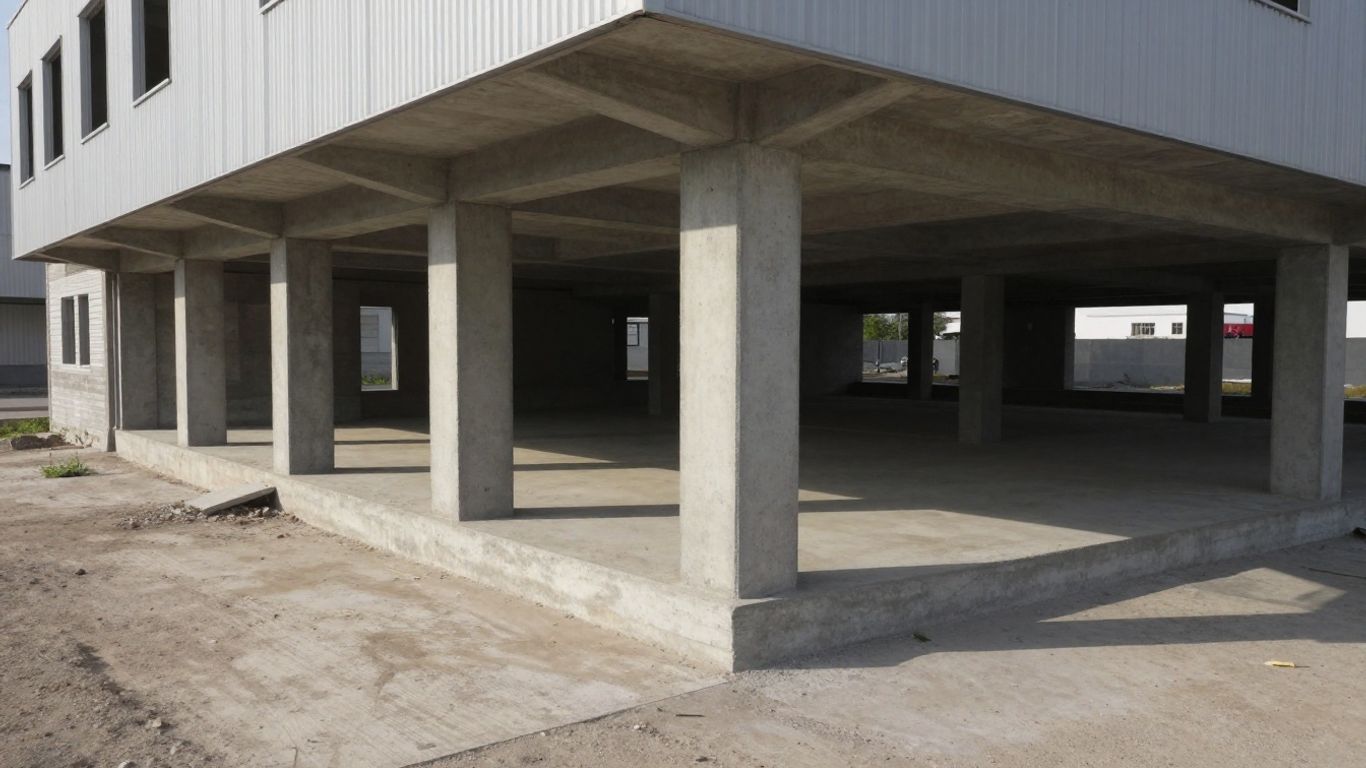
We all know that dealing with foundation problems can be a real headache, not to mention expensive. That’s why focusing on keeping our commercial properties’ foundations in good shape from the start is so important. It’s about being smart and preventing issues before they even start to show up. Think of it like regular check-ups for your building; it just makes sense.
Implementing Preventative Maintenance for Your Property
Regular maintenance isn’t just about keeping things tidy; it’s a key part of protecting your investment. Small, consistent actions can stop minor issues from turning into major, costly repairs down the road. We need to be mindful of what’s happening around our building’s base.
Here are some practical steps we can take:
- Manage Water Drainage: This is probably the biggest one. Water is a foundation’s worst enemy. We need to make sure gutters are clean and directing water away from the building. Downspout extensions are a good idea, and grading the soil so it slopes away from the foundation is also critical. We don’t want any pooling water.
- Inspect Regularly: Set a schedule, maybe twice a year, to walk around the exterior of your property. Look for cracks, even small ones, in the foundation walls or slabs. Check for signs of moisture or dampness in basements or crawl spaces. Keep an eye on the soil around the foundation; significant shrinking or swelling can be a warning.
- Landscaping Choices: Be smart about what you plant near the foundation. Large trees with aggressive root systems can cause damage over time. Shrubs planted too close can also hold moisture against the walls. Stick to plants that are suitable for the area and don’t require excessive watering right next to the building.
- Control Interior Moisture: Even inside, we need to manage humidity. Leaky pipes, plumbing issues, or even just high humidity in basements can affect the foundation over time. Ensure proper ventilation in these areas.
Taking these preventative steps might seem like extra work, but they are far less disruptive and costly than dealing with a compromised foundation. It’s about long-term stability and avoiding unexpected financial burdens.
When to Seek Professional Commercial Foundation Repair
Despite our best efforts with preventative maintenance, sometimes foundation problems just happen. Soil shifts, extreme weather, or just the age of the building can take their toll. The key is knowing when a problem is beyond our DIY capabilities and requires the attention of a professional.
We should call in the experts if we notice any of the following:
- Significant Cracks: While hairline cracks might be monitored, larger cracks, especially those that are widening or show signs of horizontal movement, need professional assessment. This applies to both interior and exterior walls, as well as the foundation itself.
- Uneven Floors or Sticking Doors/Windows: If floors start to slope noticeably, or if doors and windows begin to stick or won’t close properly, it’s a strong indicator that the foundation has shifted. This isn’t something to ignore.
- Visible Foundation Damage: This includes crumbling concrete, exposed rebar, or sections of the foundation that appear to be bowing or leaning. These are serious signs that the structural integrity of the building is at risk.
- Water Intrusion: Persistent dampness, musty odors, or visible water in basements or crawl spaces, especially after rain, can point to foundation issues that are allowing water to enter. This needs to be addressed promptly to prevent further damage.
Don’t delay seeking professional help if you suspect a serious foundation issue. The sooner a problem is identified and repaired, the less likely it is to cause widespread damage to the rest of your commercial property. Getting a qualified opinion is always the best course of action when in doubt.
Wrapping Up: Keeping Your Business Foundation Solid
So, we’ve gone over a few things about keeping your commercial building’s foundation in good shape. It might seem like a lot to think about, but honestly, paying attention to these issues early on can save you a huge headache down the road. We’re talking about avoiding costly repairs and keeping your business running smoothly without unexpected interruptions. Think of it like regular check-ups for your property. A little bit of care now means a lot less worry later. We hope this helps you feel more confident about protecting your investment.
Frequently Asked Questions
What are the first signs that our building’s foundation might be in trouble?
We should keep an eye out for cracks in the walls, especially around doors and windows. If we notice doors or windows sticking and not closing properly, or if floors seem to be sloping or uneven, these could be early hints. Gaps appearing between walls and ceilings or floors are also red flags we need to watch for.
How can the ground beneath our property cause foundation issues?
The soil is a big deal for our building’s base. When the ground gets too wet, it can swell up, pushing against the foundation. On the flip side, when it’s really dry, the soil shrinks, leaving gaps. This constant changing can make the foundation unstable. Also, if the soil isn’t packed down well when the building was put up, it can settle over time, causing problems.
When is it time to call in experts for our building’s foundation?
If we see any of the warning signs we talked about, especially if they seem to be getting worse, it’s definitely time to get professional help. Ignoring small issues can lead to much bigger, more expensive repairs down the road. It’s always better to be safe and have experts check things out if we’re unsure or if the problems look serious.
Recent Comments