

Spring is here, and it’s usually the time when we start noticing things around the house that need a little attention. Our foundations are no different. If you’re like us, you might wonder if those little cracks or sticky doors mean something bigger is going on. That’s where foundation inspection services come in. It’s a good idea to check things out before small problems turn into big headaches.
Key Takeaways
- Watch for signs like uneven floors or cracks in your walls, which could mean you need foundation inspection services.
- Clear out any clutter around your basement or crawl space so inspectors can get a good look at everything.
- Regular spring checks help us catch problems early and avoid bigger repairs down the road.
Understanding Your Foundation’s Health
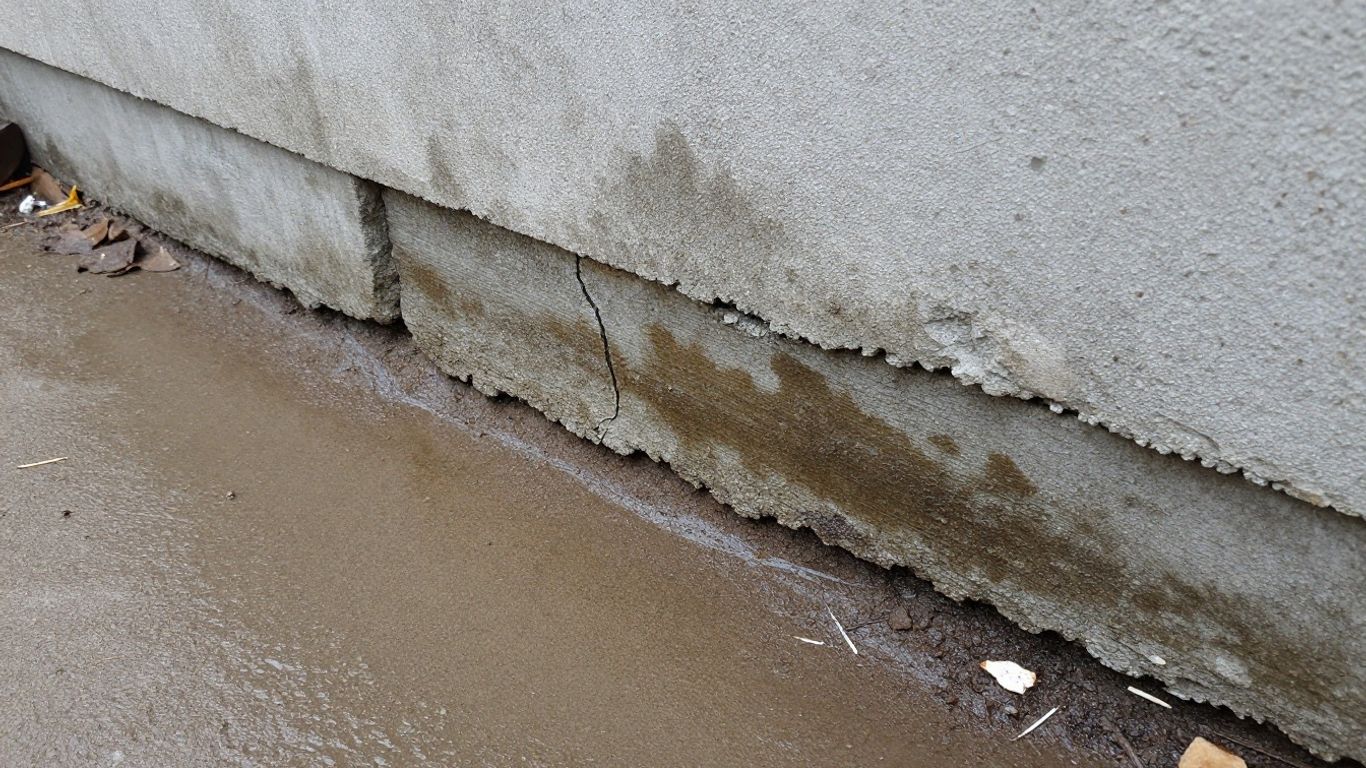
Signs of Foundation Issues
If we’re living in the same house for a while, we might not notice if the foundation’s starting to have problems. Usual stuff can hide changes over time. But let’s look at some signs that trouble could be brewing:
- Doors or windows stick or won’t close correctly
- Gaps appear around window frames or exterior doors
- Floors feel uneven or start sloping
- New cracks show up in walls, especially above doors or windows
- Water gathers near the base of our home after it rains
Catching these problems early can stop bigger issues before they get out of hand. Even small issues, if left unchecked, can turn into expensive repairs.
The Importance of Professional Foundation Inspection Services
We might be pretty handy with a flashlight, but there are things only a trained eye will spot. Professional inspectors know where to look and what matters. Here’s why their visit isn’t something to skip:
- Inspectors use tools and techniques we just don’t have at home.
- Sometimes, issues hide in the crawl space or beneath heavy furniture.
- Specialists can spot water damage, weak spots, or mold before we even know it’s there.
| Homeowner Checks | Pro Inspector Checks |
|---|---|
| Look for cracks | Measure foundation levels |
| Test doors/windows | Check moisture and drainage |
| Scan for sloping floors | Inspect beneath surfaces |
Even if our place looks fine at a glance, scheduling a professional inspection each spring is the best way to keep surprises at bay and protect our investment.
Preparing for Your Spring Foundation Inspection
Getting ready for your foundation inspection is pretty straightforward, but doing a little homework beforehand can make the whole process smoother for everyone. We want to make sure the inspectors can get a good look at everything without any hitches. It’s about being proactive and giving them the best chance to spot any potential issues.
What to Look For Before the Experts Arrive
Before the inspection team even pulls up, we can do a quick walk-around ourselves. It’s not about diagnosing problems, but more about noting anything that seems out of the ordinary. Think about things like:
- Cracks in the walls, especially if they seem to be getting bigger.
- Doors or windows that stick or don’t close properly anymore.
- Water pooling near the foundation after a rain.
- Any new damp spots or musty smells in the basement or crawl space.
These visual cues can help us communicate more effectively with the inspectors. It’s also a good idea to check your gutters and downspouts to make sure they’re clear and directing water away from the house. Clogged gutters are a common culprit for foundation water problems.
Ensuring Access for Foundation Inspection Services
To let the inspectors do their job right, we need to make sure they can get to all the necessary areas. This means clearing out any clutter or storage items from around the perimeter of your home, especially near the foundation walls. If you have a crawl space or basement, try to tidy it up a bit so they can move around freely. We also need to ensure:
- Any locked gates or access points are unlocked on the day of the inspection.
- Pets are secured or kept away from the work areas.
- Any landscaping that might obstruct access is trimmed back.
A clear path allows the inspectors to focus on the foundation itself, rather than struggling to get to it. This saves time and helps them perform a more thorough examination. It’s a simple step that makes a big difference in the quality of the inspection.
If there are specific areas you’re concerned about, make a note of them and be ready to point them out to the inspector. This helps them prioritize their examination and address your specific worries.
Wrapping Up Your Spring Foundation Check
So, we’ve gone through the basics of what to look for when checking your foundation this spring. It might seem like a lot, but taking a little time now can save you headaches later. We’re not saying you need to be a foundation expert, just aware of what’s going on around your home. If anything looks off, or you’re just not sure, it’s always best to call in the pros. PermaJack of Louisville is there to help figure things out and give you peace of mind. Getting this done means you can relax and enjoy the warmer weather, knowing your home is on solid ground.
Frequently Asked Questions
Why is checking our foundation in the spring so important?
Springtime is a critical period for our foundation. After enduring winter’s freeze and thaw cycles, which can cause the ground to shift and expand, our foundation might have developed small problems. Checking it now helps us catch any issues early before they become bigger and more costly to fix. It’s like giving our house a health check-up after a long, tough season.
What are some common signs that our foundation might need attention?
We should keep an eye out for a few tell-tale signs. Look for cracks in the walls, especially around doors and windows, or even in the foundation itself. If doors and windows start sticking or don’t close properly, that’s another clue. You might also notice floors that seem uneven or sloped, or water pooling around the outside of our home after it rains. These are all signals that something might be going on beneath the surface.
How can we best prepare our home for a professional foundation inspection?
To help the inspection team do their best work, we should make sure they can easily see and reach all parts of our foundation. This means clearing away any clutter, plants, or stored items from around the exterior walls and in the basement or crawl space. If there are any areas we know have had problems before, it’s helpful to point those out to them. Basically, we want to give them a clear path to check everything thoroughly.
Recent Comments