

Keeping your business property dry is a big deal. Water might not seem like a huge threat, but it can really mess with the structure of your building, leading to all sorts of problems down the line. Think about leaks, mold, and even damage to expensive equipment. That’s where commercial waterproofing comes in. It’s basically a way to protect your building from water getting in where it shouldn’t. We’ll look at why it’s so important and what you need to know to keep your business safe and sound.
Key Takeaways
- Commercial waterproofing is key to stopping water damage that can weaken a building’s structure over time.
- It stops water from getting inside, which means no mold growth and fewer ruined interiors.
- Waterproofing helps buildings keep their temperature steady, saving money on energy bills.
- Regular checks and using good materials are smart ways to keep your building dry.
- Hiring pros for waterproofing means the job gets done right the first time.
Understanding The Critical Role Of Commercial Waterproofing
When you own a commercial building, you’re probably thinking about a lot of things – tenants, operations, maybe even the next big renovation. But there’s one aspect that’s super important for the long haul, and that’s keeping water out. It sounds simple, right? Just don’t let water in. But the reality is, water is a sneaky enemy for buildings. It can get into the tiniest cracks, and over time, it causes a whole lot of trouble.
Preserving Structural Integrity Against Water Damage
Think of your building’s structure like its skeleton. Water is like a slow-acting acid that can weaken that skeleton. When moisture gets into concrete, steel, or wood, it starts to break it down. For concrete, this can mean cracks and spalling. For steel, it’s rust and corrosion, which can seriously compromise strength. Foundations are especially vulnerable. If water seeps in around the foundation, it can weaken the soil supporting it, leading to settling or even major structural shifts. This kind of damage isn’t just expensive to fix; it can make a building unsafe. Waterproofing acts as a shield, stopping water from getting into these critical structural components in the first place. It’s like giving your building a protective suit against the elements.
Preventing Interior Damage And Mold Growth
It’s not just the bones of the building that suffer. Water that gets inside can ruin everything from the inside out. Imagine water seeping through a ceiling or wall. It can damage drywall, insulation, electrical wiring, and finishes. This means constant repairs, potential business disruptions if it affects occupied spaces, and a general rundown appearance. Plus, where there’s moisture, there’s often mold. Mold isn’t just unsightly; it’s a health hazard. It can cause respiratory problems, allergies, and other issues for anyone inside the building. For business owners, dealing with mold can lead to liability problems. A good waterproofing system keeps the interior dry, protecting finishes and, more importantly, the health of the people who use the building.
Enhancing Energy Efficiency And Sustainability
This might seem a bit surprising, but waterproofing actually helps with energy bills. When insulation gets wet, it stops working effectively. Think about a wet towel versus a dry one – the wet one doesn’t keep you warm. The same applies to your building’s insulation. If moisture gets in, the heating and cooling systems have to work overtime to maintain a comfortable temperature. This means higher energy consumption and bigger utility bills. By keeping insulation dry, waterproofing helps maintain a stable indoor climate. This not only saves money but also makes the building more sustainable by reducing its energy footprint. It’s a win-win for your wallet and the environment.
Key Areas Requiring Commercial Waterproofing Attention
When it comes to keeping a commercial building in good shape, you can’t just ignore the spots where water likes to hang out. These are the places that, if left unchecked, can cause all sorts of headaches down the road. Think of it like this: you wouldn’t skip checking the tires on your car, right? Same idea here. We need to pay attention to the usual suspects where water can sneak in and cause trouble.
Protecting Roofs From Weather Exposure
The roof is pretty much the first line of defense against rain, snow, and whatever else the sky throws at your building. Over time, weather can wear down roofing materials, leading to cracks or missing pieces. Regular checks and prompt repairs are super important here. It’s not just about fixing a leak; it’s about preventing a small issue from becoming a big, expensive problem that could affect everything underneath.
Securing Basements From Groundwater Seepage
Basements and lower levels are often the most vulnerable to groundwater. When the soil around your foundation gets saturated, water can find its way through tiny cracks or even porous concrete. This can lead to dampness, mold, and even damage to stored items or equipment. Making sure your basement has a solid waterproofing system in place is key to keeping that underground moisture out.
Reinforcing Walls Against Moisture Absorption
Exterior walls, especially those made of masonry or concrete, can absorb moisture over time. This isn’t always visible at first, but it can lead to issues like efflorescence (white powdery deposits), spalling (surface flaking), and even freeze-thaw damage in colder climates. Proper sealing and coatings on walls help prevent water from soaking in, keeping the material sound.
Shielding Foundations From Ground Pressure
Foundations deal with a lot. They’re constantly in contact with the soil, which can exert pressure, especially when wet. Water trapped around the foundation can freeze and expand, causing cracks. A good waterproofing system on the foundation not only keeps water out but also helps manage the pressure from the surrounding soil, protecting the very base of your building.
Effective Commercial Waterproofing Solutions And Techniques
When it comes to keeping your commercial building safe from water, there are a bunch of different ways to get the job done. It’s not just about slapping on some paint; these methods are designed to create real barriers against moisture. Choosing the right technique depends a lot on where the water is coming from and what the building is made of.
Utilizing Sheet and Liquid Waterproofing Membranes
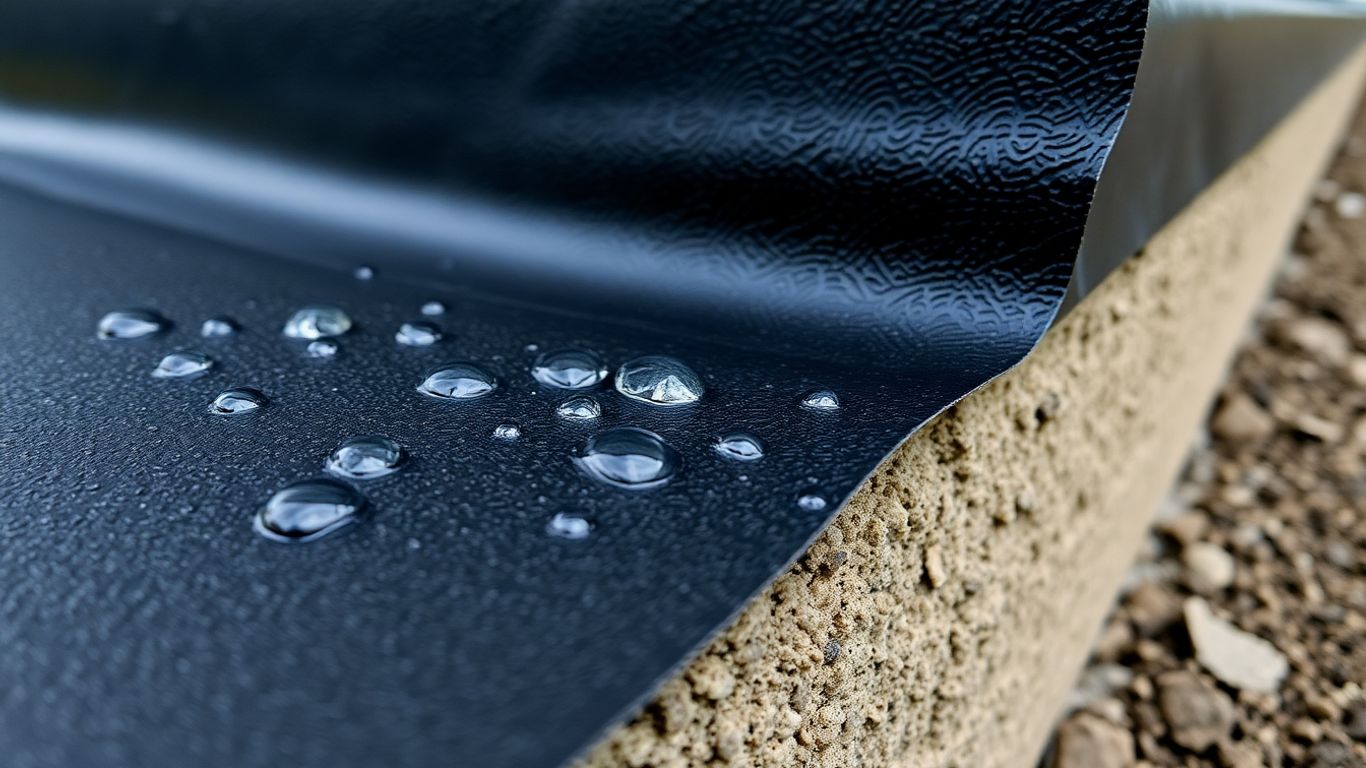
Sheet membranes are basically big rolls of waterproof material, kind of like a heavy-duty tarp. You lay these out over surfaces like roofs or foundations, overlapping them and sealing the seams. They’re pretty tough and flexible, which is good because buildings can shift a bit. Liquid membranes, on the other hand, are applied like a thick paint. They spread out and then dry into a solid, seamless waterproof layer. These are great for areas with lots of corners or odd shapes where fitting sheets would be a pain. They form a really solid bond with the surface.
Applying Cementitious and Bituminous Barriers
Cementitious waterproofing uses special cement-based coatings. Think of it as a super-strong, waterproof plaster. It’s often used in places that are constantly wet, like basements or areas around water tanks. It creates a rigid, durable barrier. Bituminous barriers, often made from asphalt, are also common. They can be applied as a liquid or in sheet form and are really good at blocking water, especially in below-ground applications. They’re flexible and can handle ground movement.
Implementing Injection and Crystalline Methods
Sometimes, water gets into existing cracks or pores in concrete. That’s where injection methods come in. Special resins or foams are pumped directly into these cracks to seal them up from the inside out. It’s a targeted approach for specific leaks. Crystalline waterproofing is a bit different. It involves applying a coating that contains special chemicals. When water comes into contact with these chemicals, they react and form crystals within the concrete pores. These crystals actually grow and fill up any tiny openings, effectively blocking water from getting through. It’s a neat way to make the concrete itself more water-resistant.
It’s important to remember that even the best materials won’t work if they’re not put on correctly. That’s why professional installation is so key. They know how to prep the surface, apply the materials evenly, and seal all the tricky spots.
Proactive Strategies For Commercial Property Waterproofing
When it comes to keeping your commercial property in good shape, you can’t just wait for problems to pop up. Being proactive with waterproofing is way smarter. It’s all about getting ahead of potential water issues before they turn into expensive headaches. Think of it like regular check-ups for your building – catching small things early saves a ton of trouble later.
Conducting Regular Inspections and Maintenance
This is probably the most important thing you can do. You need to make sure you’re looking at your building regularly, not just when it’s pouring rain. Get eyes on the roof, check the walls, and don’t forget the basement. Sometimes, a small crack or a loose seal is all it takes for water to start its mischief. Scheduling these checks, maybe twice a year, can really make a difference. It’s not just about spotting leaks; it’s about seeing where things might be starting to wear down.
- Roof: Look for damaged shingles, membrane tears, or clogged gutters.
- Walls: Check for cracks, efflorescence (that white powdery stuff), or peeling paint.
- Foundation: Inspect for any signs of moisture or cracks, especially around the base of the building.
- Drainage: Make sure downspouts and drains are clear and directing water away from the building.
Choosing Appropriate High-Quality Waterproofing Materials
Not all waterproofing stuff is created equal, you know? Using the right materials for the job is a big deal. You want things that are built to last and can handle whatever the weather throws at them. For example, some membranes are better for roofs, while others are perfect for basements. It’s worth doing a little research or, better yet, talking to someone who really knows their stuff about building materials. Using top-notch products from the start means you won’t be redoing the work again in a few years.
Ensuring Effective Drainage Systems For Water Runoff
This one’s pretty straightforward but often overlooked. If water can’t get away from your building, it’s going to find a way in. That means keeping your gutters clean, making sure downspouts are properly angled, and that any French drains or other systems around the foundation are working like they should. A good drainage system is like a moat for your building, keeping the water at bay. It’s amazing how much trouble a simple blockage can cause.
A well-functioning drainage system is your first line of defense against water damage. It’s not just about aesthetics; it’s about protecting the very structure of your property from the constant pressure of standing water.
The Importance Of Professional Commercial Waterproofing Services
When it comes to keeping your business building safe and sound, you can’t just wing it. Sure, you might be able to patch up a leaky faucet yourself, but when we’re talking about the whole structure, you really need the pros. Getting professional commercial waterproofing services isn’t just an expense; it’s a smart investment in your property’s future. These folks know what they’re doing, and that makes a huge difference.
Ensuring Proper Installation and Material Selection
Think about it: waterproofing isn’t just slapping some goop on a wall. There’s a science to it. Professionals have the know-how to pick the right materials for your specific building and the climate it’s in. They understand the different types of membranes, sealants, and coatings, and they know which ones will actually hold up over time. Using the wrong stuff or putting it on incorrectly is just asking for trouble down the road. It’s like trying to build a sturdy fence with flimsy wood – it just won’t last. They also know how to properly prepare surfaces, which is a big deal for making sure the waterproofing sticks and does its job.
Identifying and Sealing Vulnerable Building Areas
Buildings have weak spots, and water loves to find them. Professionals are trained to spot these areas that you might overlook. We’re talking about things like:
- Joints where different building materials meet
- Around pipes or vents that go through walls or roofs
- Cracks in foundations or walls, even small ones
- The edges of window and door frames
They have the tools and the experience to find these spots and seal them up tight. It’s about being thorough, and that’s something you can’t always achieve on your own. They’re not just looking at the obvious leaks; they’re thinking about how water moves and where it could potentially get in. This kind of preventative work is key to avoiding bigger problems later on. You can find more information on preventative waterproofing tips.
Tailoring Solutions to Climate-Specific Needs
What works in Florida might not be the best bet in Minnesota, right? Different climates throw different challenges at your building. Heavy rain, snow, ice, intense sun – they all affect waterproofing materials differently. A professional waterproofing service will look at your local weather patterns and choose solutions that are built to withstand them. For example, in areas with extreme temperature swings, they might use materials that can expand and contract without cracking. In places with lots of rain, they’ll focus on drainage and robust barrier systems. This custom approach means your waterproofing will actually do its job, no matter what Mother Nature throws your way. It’s about getting the right protection for your specific situation, not just a one-size-fits-all fix.
Benefits Of Investing In Commercial Waterproofing
So, you’re thinking about waterproofing your commercial building. It might seem like just another expense, but honestly, it’s more like a really smart investment. Think about it: water is sneaky. It finds its way into places you wouldn’t expect, and before you know it, you’ve got a whole host of problems on your hands. Getting waterproofing done right from the start can save you a ton of headaches and cash down the road.
Reducing Long-Term Maintenance And Repair Costs
This is probably the biggest win. When water gets into your building’s structure, it doesn’t just sit there. It can weaken concrete, rust metal, and generally make things fall apart. Fixing that kind of damage? It’s not cheap. We’re talking about major structural repairs, replacing ruined materials, and dealing with leaks that just keep coming back. A good waterproofing system acts like a shield, keeping water out and preventing all that costly deterioration. It means fewer emergency repairs, less downtime for your business, and a building that holds its value much better over time. It’s way cheaper to prevent water damage than to fix it.
Improving Building Safety And Occupant Health
Nobody wants to work or shop in a damp, musty building, right? Water intrusion is a breeding ground for mold and mildew. These aren’t just gross; they can cause serious health problems for people inside, like allergies, asthma flare-ups, and other respiratory issues. Plus, water can damage electrical systems, creating fire hazards. Keeping your building dry with proper waterproofing means a healthier, safer environment for everyone who uses it. It’s about peace of mind, knowing your building isn’t silently causing problems.
Safeguarding Valuable Equipment And Inventory
For many businesses, the stuff inside the building is just as important, if not more so, than the building itself. Think about sensitive electronics, important documents, or stock that can be ruined by a single leak. Water damage can destroy expensive equipment and make entire inventory loads unsellable. A solid waterproofing strategy protects these critical assets, preventing catastrophic losses that could cripple your business. It’s a direct way to protect your bottom line from the unpredictable nature of water.
Here’s a quick look at what you can expect:
- Reduced Repair Bills: Significantly lower costs associated with fixing water-related damage.
- Healthier Environment: Fewer mold and mildew issues, leading to better air quality.
- Asset Protection: Keeps expensive machinery, inventory, and finishes safe from moisture.
- Increased Property Value: A well-maintained, dry building is more attractive to buyers and tenants.
- Energy Savings: Dry insulation works better, reducing heating and cooling costs.
Wrapping It Up
So, when it comes to your business building, don’t mess around with water. It’s way cheaper to keep water out from the start than to fix the mess it makes later. Think of good waterproofing as a shield for your property, protecting everything inside and keeping things running smoothly. Whether it’s your roof, foundation, or walls, getting a solid waterproofing job done means fewer headaches, less money spent on repairs, and a safer place for everyone. It’s really just a smart move to protect your investment and keep your business on solid, dry ground.
Frequently Asked Questions
Why is waterproofing so important for businesses?
Waterproofing is super important because it keeps water out of your building. When water gets in, it can cause a lot of problems like making walls weak, ruining stuff inside, and even causing mold to grow. Keeping your building dry helps it last longer and saves you money on repairs.
What parts of a business building usually need waterproofing?
Lots of parts! The roof is a big one because it gets rained on all the time. Basements are also key because water from the ground can seep in. We also need to protect the walls and the foundation, which is the base of the whole building.
What are some ways to waterproof a building?
There are a few ways. We can use special sheets or liquids that act like a shield against water. Sometimes, we use materials that harden like cement or sticky tar-like stuff. For tricky spots, we can even inject special liquids to seal up leaks.
How often should a business check its waterproofing?
It’s a good idea to check regularly, maybe once or twice a year. Think of it like getting regular check-ups for your building. This way, you can catch small problems before they become big, expensive messes.
Can I just do the waterproofing myself?
While you might be able to do small jobs, for a whole business building, it’s best to get professionals. They have the right tools and know-how to make sure it’s done right, so it actually works and lasts a long time.
Does waterproofing help save money?
Absolutely! It might cost a bit upfront, but it saves a lot of money in the long run. By preventing damage, you won’t have to pay for expensive repairs later. Plus, a well-waterproofed building is more energy-efficient, which lowers your heating and cooling bills!
Recent Comments