

As the snow melts and warmer days approach, we often turn our attention to outdoor tasks. One area that deserves a close look after winter’s harshness is our home’s foundation. Winter’s freeze-thaw cycles can put a lot of stress on concrete, sometimes leading to cracks. We’ll guide you through spotting these issues and figuring out when it’s time to think about foundation crack repair.
Key Takeaways
- Winter’s freeze-thaw action can cause new foundation cracks or worsen existing ones. Look for signs like hairline cracks, stair-step cracks, or horizontal cracks.
- The size and location of a foundation crack matter. Small, non-moving cracks might not need immediate attention, but larger, widening, or water-leaking cracks require prompt foundation crack repair.
- Addressing foundation issues early is smart. Regular inspections and timely foundation crack repair can prevent bigger problems and protect your home’s structure.
Recognizing Winter’s Impact on Your Foundation
Winter can be tough on our homes, and our foundations often bear the brunt of it. We’ve seen firsthand how the cold, snow, and ice can cause problems that might not be obvious until the warmer weather arrives. It’s important to know what to look for so we can address any issues before they become bigger headaches.
Common Signs of Foundation Damage
After a long winter, we often find ourselves inspecting our homes for any signs of wear and tear. For foundations, this means looking for specific indicators that the cold has taken its toll. Keep an eye out for these common issues:
- Cracks in walls: These can appear both inside and outside your home. Look for horizontal, vertical, or even stair-step cracks, especially around windows and doors.
- Sticking doors or windows: If doors or windows suddenly become difficult to open or close, it could mean the foundation has shifted, causing the frames to warp.
- Uneven floors: Noticeable slopes or dips in your flooring can signal that the foundation beneath is no longer level.
- Gaps around window or door frames: You might see small spaces where there weren’t any before, indicating movement.
- Cracks in the foundation itself: This is the most direct sign. Check the visible parts of your foundation walls for any new fissures.
Understanding Freeze-Thaw Cycles
The main culprit behind much of this winter damage is the freeze-thaw cycle. Here’s how it works and why it’s so impactful:
- Water Penetration: During warmer periods in winter, snowmelt or rain can seep into small cracks or pores in the soil around your foundation and even into the concrete itself.
- Freezing: When temperatures drop below freezing, this trapped water turns to ice. Water expands when it freezes, putting pressure on the surrounding soil and concrete.
- Thawing: As temperatures rise again, the ice melts, and the water can move deeper or escape. This process can also cause the soil to contract.
- Repetition: This cycle repeats itself many times throughout the winter. Each freeze-thaw event can widen existing cracks and create new ones, gradually weakening the foundation.
The constant expansion and contraction of soil and water around your foundation puts immense stress on the structure. Over time, this can lead to significant structural problems if not addressed.
We’ve found that even small, hairline cracks can become larger problems after several freeze-thaw cycles. It’s the cumulative effect that we need to be mindful of when assessing our homes in the spring.
When to Schedule Foundation Crack Repair
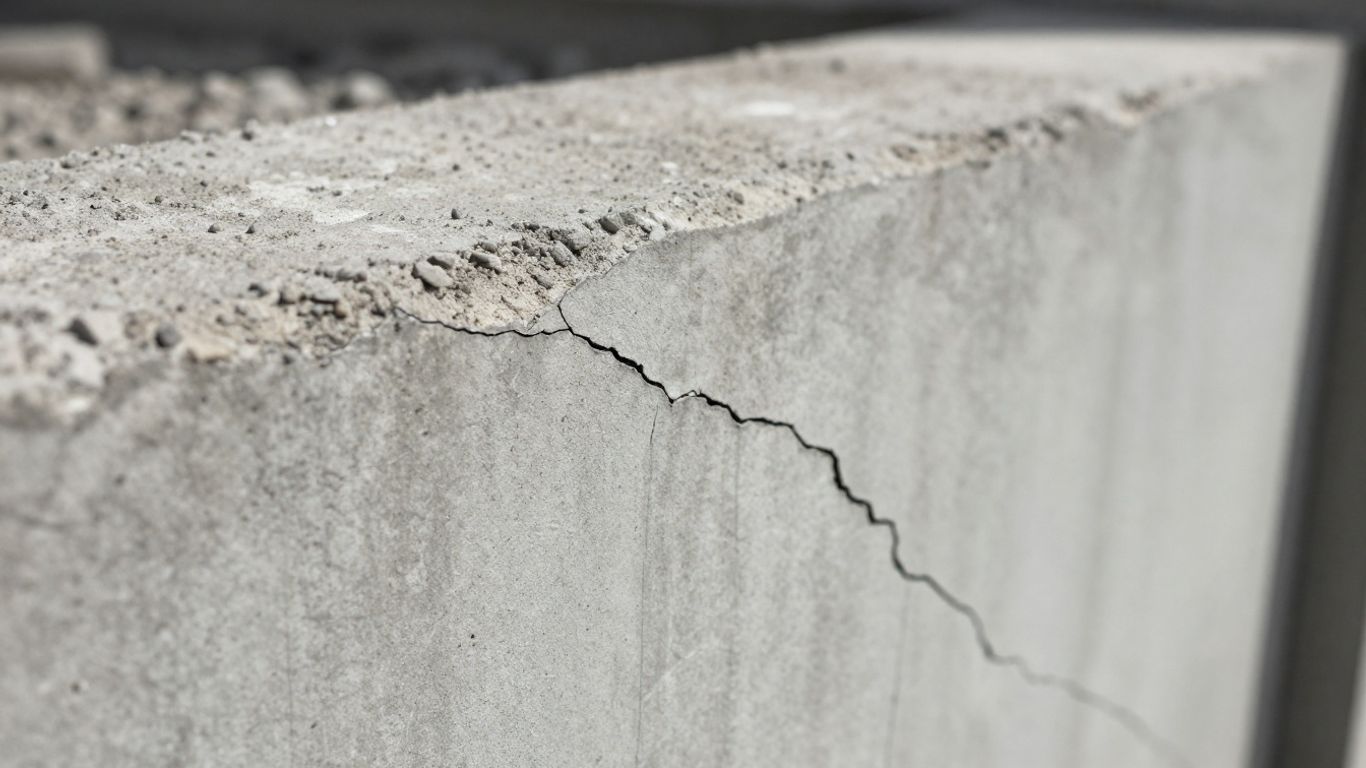
After a long winter, we often find ourselves assessing the damage the cold weather has done to our homes. One area that frequently shows wear and tear is the foundation. Identifying when a crack is serious enough to warrant professional attention is key to preventing bigger problems down the line. We need to look closely at what we’re seeing.
Assessing Crack Severity for Repair
Not all cracks are created equal. Some are minor cosmetic issues, while others signal a structural problem that needs fixing. We should pay attention to a few things when we’re looking at these cracks.
- Width: A crack wider than 1/4 inch is generally a cause for concern. We can measure this with a simple ruler.
- Depth: If a crack seems to go deep into the foundation wall, it’s more serious than a surface-level hairline crack.
- Progression: Has the crack grown since we first noticed it? We can mark the ends and edges and check again in a few weeks. If it’s gotten bigger, it’s a clear sign of movement.
- Location: Cracks that run horizontally or diagonally are often more problematic than vertical ones. Horizontal cracks can indicate pressure from the soil outside pushing inward.
- Water Intrusion: Are we seeing water seeping through the crack? This is a definite red flag that the foundation’s integrity is compromised.
We must address cracks that show signs of active movement or water penetration promptly.
Here’s a quick guide to help us decide:
| Crack Type | Width | Progression | Water Intrusion | Repair Urgency |
|---|---|---|---|---|
| Hairline | < 1/8 inch | None | No | Low |
| Minor Vertical | 1/8 – 1/4 inch | Slow | Possible | Medium |
| Significant | > 1/4 inch | Active | Yes | High |
| Horizontal/Diagonal | Any | Active | Likely | High |
Proactive Steps for Foundation Crack Repair
Once we’ve identified a crack that needs attention, the next step is to get it repaired. We don’t want to wait until the problem gets worse, which can lead to more expensive fixes later.
- Consult Professionals: For anything beyond a minor cosmetic crack, we should call a reputable foundation repair company. They have the tools and knowledge to properly diagnose the issue and recommend the best repair method.
- Understand Repair Options: Depending on the crack, repairs might involve epoxy or polyurethane injections, carbon fiber staples, or even more extensive structural work. The professionals will explain what’s needed.
- Address Underlying Causes: Sometimes, cracks are caused by soil issues, poor drainage, or hydrostatic pressure. A good repair company will also look into these underlying problems and suggest solutions, like improving our yard’s drainage, to prevent future cracks.
Taking care of foundation issues isn’t just about fixing a crack; it’s about protecting the entire structure of our home. Ignoring these signs can lead to much larger, more costly problems down the road, affecting everything from our home’s value to its safety.
We should aim to get any significant cracks repaired before the next winter season sets in, ideally in the spring or summer when conditions are favorable for repair work.
Wrapping Up Our Winter Check
So, we’ve gone through the house, checked for those tell-tale cracks that winter weather can leave behind. It’s easy to put off, we know. But ignoring them won’t make them go away, and they can sometimes lead to bigger problems down the road. If you found anything concerning, now’s the time to get it looked at. Spring is the perfect season to bring in a professional, get a solid assessment, and decide on the best fix. Taking care of these issues now means we can all enjoy our homes a bit more, worry-free, as the warmer months roll in. Don’t wait too long; a little attention now can save a lot of hassle later.
Frequently Asked Questions
What are the first signs we should look for that show our foundation might have been hurt by winter’s cold?
After the cold season, we should carefully check our basement or crawl space walls for any new lines or splits. Sometimes, these cracks might look like thin spiderwebs, or they could be wider openings. We might also notice if doors or windows seem to stick or don’t open smoothly anymore. Water stains on the walls or a musty smell could also be clues that moisture is getting in through a crack.
When is it truly necessary for us to fix foundation cracks, and how do we know if a crack is a big deal?
We should consider fixing cracks right away if they are wider than a dime, if they go all the way through the wall, or if we see water leaking from them. Cracks that are just thin lines and don’t seem to be growing might be less urgent, but it’s still wise to keep an eye on them. If we’re unsure about the size or type of crack, it’s best to have a professional take a look to be safe.
What can we do to prevent our foundation from getting damaged by winter in the first place?
To help protect our foundation, we can make sure our yard slopes away from the house so water doesn’t pool near the walls. Keeping our gutters clean and making sure they direct water far from the foundation is also important. During very cold spells, some people choose to let a trickle of water run from their faucets to prevent pipes from freezing, which indirectly helps the foundation by avoiding other water-related issues.
Recent Comments