

How to Reduce Moisture Around Your Home During the Fall Transition in Louisville, KY
September in Louisville can feel like two seasons in one week. We may start the day with a cool, foggy morning, warm up into a humid afternoon, and then get a round of rain as fall weather begins pushing into the Ohio Valley. While many homeowners are thinking about football, school schedules, and getting the yard ready for autumn, this is also one of the best times to pay attention to moisture around your home.
At Permajack of Louisville, we see firsthand how seasonal moisture affects foundations, basements, crawl spaces, concrete, and drainage systems. The transition from hot, humid summer weather to cooler fall temperatures can expose small issues before they become bigger and more expensive problems.
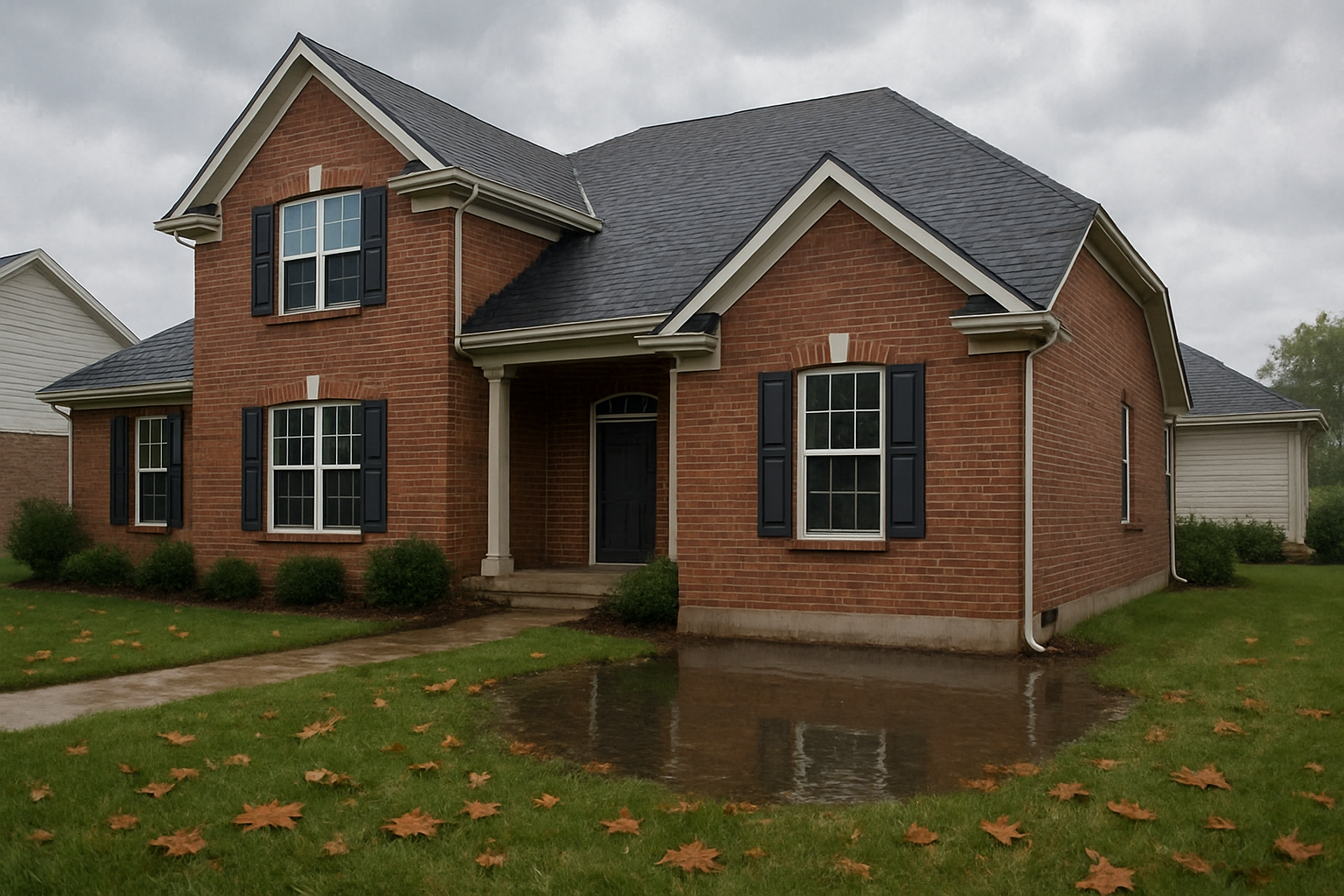
If your basement has a musty smell, your crawl space feels damp, or you notice water pooling near your foundation after a September rain, now is the time to act.
Key Takeaways:
- September weather in Louisville often brings humidity, rain, and temperature swings that can increase moisture around your home.
- Keeping gutters clean, grading soil properly, and managing downspout drainage can help protect your foundation.
- Damp basements, musty odors, crawl space moisture, and cracks should be inspected before colder weather arrives.
- Permajack of Louisville provides local foundation, waterproofing, and crawl space solutions built for homes in our region.
Why September Moisture Matters in Louisville
Louisville’s early fall weather can be unpredictable. September often brings warm daytime temperatures, lingering humidity, and occasional heavy rainfall. As nights cool down, condensation can also become more noticeable in basements, garages, and crawl spaces.
This combination creates the perfect environment for excess moisture. When water collects near your foundation or enters below-grade spaces, it can lead to several concerns, including mold growth, wood rot, musty odors, foundation movement, and concrete deterioration.
Many homeowners assume moisture problems only happen during spring storms, but fall transition is just as important. The soil around your home may still be dry and cracked from summer heat. When September rains arrive, that soil can expand quickly and place pressure on your foundation walls. If drainage is poor, water may settle right where you do not want it: against your home.
Start With Your Gutters and Downspouts
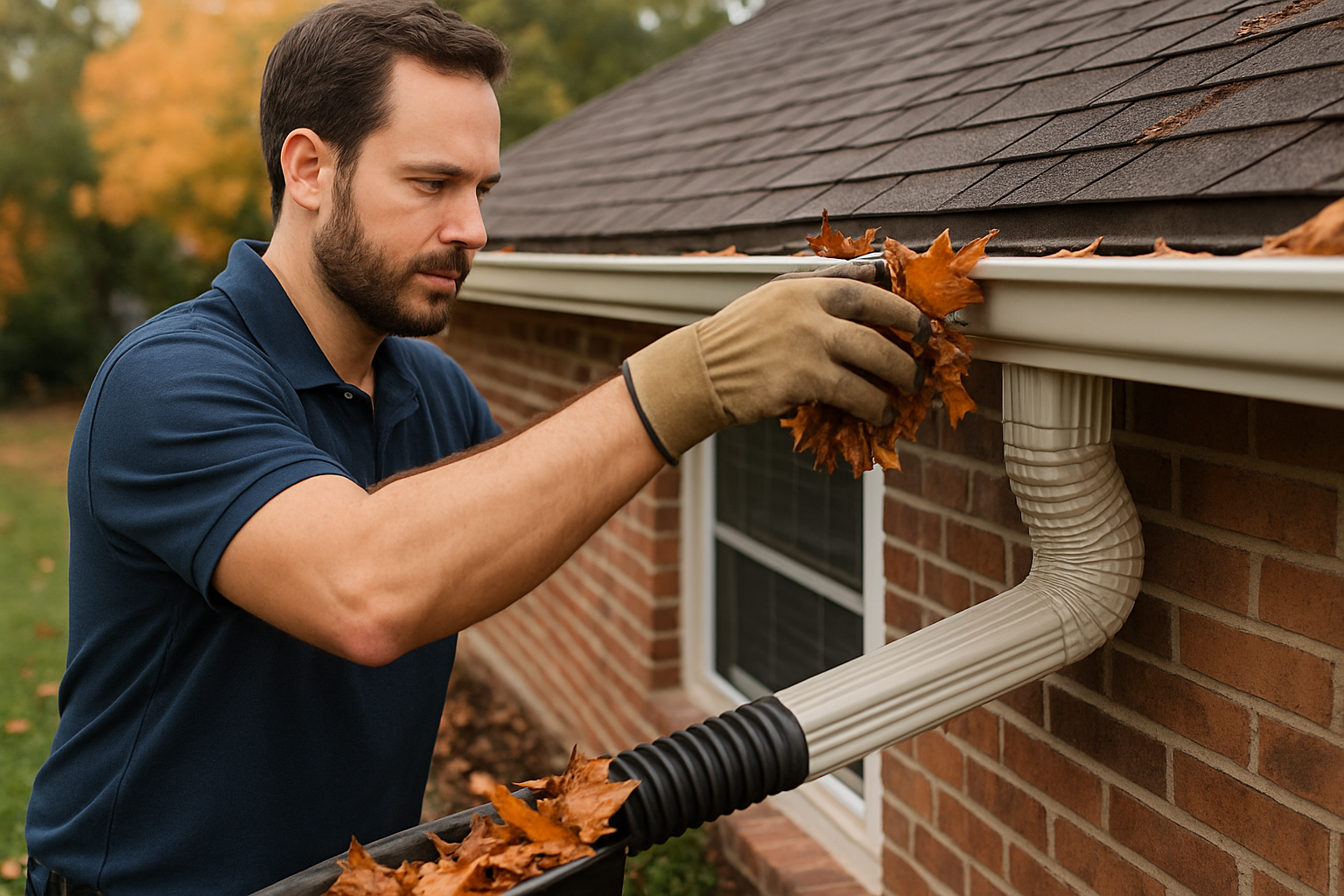
Your gutter system is one of the simplest and most important moisture-control tools your home has. During September, leaves may begin falling, and late-summer debris can already be clogging gutters. If water cannot move freely through the system, it spills over the edges and lands directly beside the foundation.
Here are a few gutter and downspout steps every Louisville homeowner should take before fall is in full swing:
- Clean out leaves, sticks, roofing granules, and other debris from gutters.
- Make sure downspouts are firmly connected and not crushed or blocked.
- Extend downspouts at least several feet away from the foundation.
- Check that water is not discharging toward a neighbor’s property, sidewalk, driveway, or low spot near your home.
- Watch your gutters during a rainfall to see if water is overflowing or backing up.
One of the most common issues we see is downspouts that stop too close to the house. Even a perfectly clean gutter system can cause trouble if all that roof water empties at the base of your foundation.
Check the Slope Around Your Foundation
The ground around your home should slope away from the foundation. This may sound simple, but it makes a major difference. Over time, soil settles. Landscaping changes, mulch buildup, erosion, and construction work can all alter drainage patterns.
Walk around your home after a rain and look for areas where water sits. If you see puddles against the foundation, soggy mulch beds, or soil that slopes toward the house, you may have a drainage concern.
Proper grading helps move water away before it has a chance to soak into the soil near your foundation walls. In Louisville neighborhoods with clay-heavy soil, this is especially important. Clay soil holds water and expands when saturated, which can increase pressure against basement walls and foundation systems.
Do Not Ignore Musty Basement Smells
A musty odor in your basement is not something to cover up with an air freshener. That smell is often a warning sign that moisture is present. Even if you do not see standing water, humidity and damp surfaces can still create problems.
During September, cooler nights and humid days can make basement condensation worse. If your basement feels clammy or smells earthy, pay attention. Moisture may be coming through foundation walls, floor cracks, window wells, plumbing penetrations, or poor exterior drainage.
Common signs of basement moisture include:
- White chalky residue on concrete or block walls
- Peeling paint or bubbling wall coatings
- Damp spots on floors or walls
- Rust on metal supports, appliances, or stored items
- Musty odors that return after cleaning
- Water stains near the base of walls
If these signs are present, it is better to schedule an inspection before winter. Moisture problems typically do not fix themselves, and freezing weather can add stress to already weakened or saturated areas.
“We thought the musty smell in our basement was just part of having an older Louisville home. Permajack found where water was getting in and gave us a clear plan to fix it before it got worse.”
— Local Louisville homeowner
Pay Attention to Your Crawl Space
Crawl spaces are often out of sight, which means moisture problems can go unnoticed for months or years. In Louisville’s humid climate, crawl spaces are especially vulnerable during the late summer and early fall transition.
Moisture in a crawl space can affect more than the area under your home. Because air naturally moves upward through a house, damp crawl space air can contribute to musty odors, poor indoor air quality, and uncomfortable humidity levels inside living areas.
Warning signs of crawl space moisture may include soft floors, unpleasant odors, higher indoor humidity, visible mold, condensation on ductwork, or pests. A properly addressed crawl space can make the entire home healthier and more stable.
At Permajack of Louisville, we help homeowners identify the source of crawl space moisture and recommend practical solutions, which may include vapor barriers, drainage improvements, structural repairs, or encapsulation options depending on the home’s needs.

Look for Foundation Cracks Before Cold Weather Arrives
September is a smart time to inspect your foundation. The weather is usually mild enough for outdoor work, and you still have time to address issues before winter freeze-thaw cycles begin.
Not every crack means your home is in immediate danger, but cracks should not be ignored. Some may be cosmetic, while others may indicate settlement, hydrostatic pressure, or shifting soil conditions.
Look for these warning signs around your home:
- Stair-step cracks in brick or block walls
- Horizontal cracks in basement walls
- Doors or windows that stick or no longer latch properly
- Uneven or sloping floors
- Gaps around trim, windows, or exterior doors
- Cracks that appear to be widening over time
If you see any of these issues, it is wise to have a professional evaluate them. Early diagnosis can help you avoid more costly repairs later.
Improve Ventilation and Indoor Humidity Control
Outdoor drainage is important, but indoor moisture control matters too. During the fall transition, many Louisville homeowners open windows during cool mornings and close them when humidity rises in the afternoon. This can trap moisture indoors, especially in basements and lower levels.
To help reduce indoor moisture, consider using a dehumidifier in damp areas, running bathroom and kitchen exhaust fans, avoiding storage of cardboard boxes directly on basement floors, and keeping air moving in areas that tend to feel stale.
Ideally, indoor humidity should be kept at a reasonable level. If your basement dehumidifier runs constantly or fills quickly, that may be a sign of a larger moisture intrusion problem rather than just normal seasonal humidity.
Why Choose Permajack of Louisville?
When you are dealing with moisture, foundation movement, crawl space concerns, or basement water issues, you need more than a quick patch. You need a company that understands Louisville homes, local soil conditions, seasonal weather patterns, and long-term structural performance.
Permajack of Louisville is proud to serve homeowners throughout the Louisville area with dependable foundation repair, waterproofing, and structural solutions. We understand how Ohio Valley humidity, clay soils, heavy rains, and seasonal temperature shifts affect local properties.
Homeowners choose Permajack of Louisville because we focus on:
- Local experience: We know the moisture and foundation challenges common to Louisville and surrounding Kentucky communities.
- Thorough evaluations: We look for the source of the problem, not just the symptom.
- Practical recommendations: We explain your options clearly so you can make an informed decision.
- Long-term solutions: Our goal is to help protect your home’s stability, comfort, and value.
- Professional service: We treat your home with respect and communicate throughout the process.
As a homeowner, it is easy to overlook moisture until it becomes a major problem. But taking action during September can help prepare your home for the wetter, colder months ahead.
Schedule a Moisture or Foundation Inspection This Fall
If you have noticed damp basement walls, crawl space odors, pooling water, foundation cracks, or shifting concrete, do not wait for winter to make the problem worse. The fall transition is the right time to identify moisture concerns and put a plan in place.
Permajack of Louisville is here to help protect your home from the ground up. Contact us today to schedule an inspection and find out how our team can help reduce moisture around your home this fall.
Recent Comments