

Winter rains can be rough on our homes, and one area that often suffers is the basement. Water finding its way in is a real headache, and it can lead to a lot of damage if we don’t take steps to stop it. We’ve put together some tips to help keep your basement dry when the skies open up.
Key Takeaways
- Keeping gutters clear and making sure water flows away from the house helps a lot. This is a simple step that makes a big difference.
- We need to look for and fix any cracks or holes in the basement walls. Sealing these up stops water before it can get inside.
- Thinking about basement waterproofing, both inside and outside your home can be a good plan. There are different ways to do it, and we can choose what works best for us.
Strengthening Your Home’s Exterior Defenses
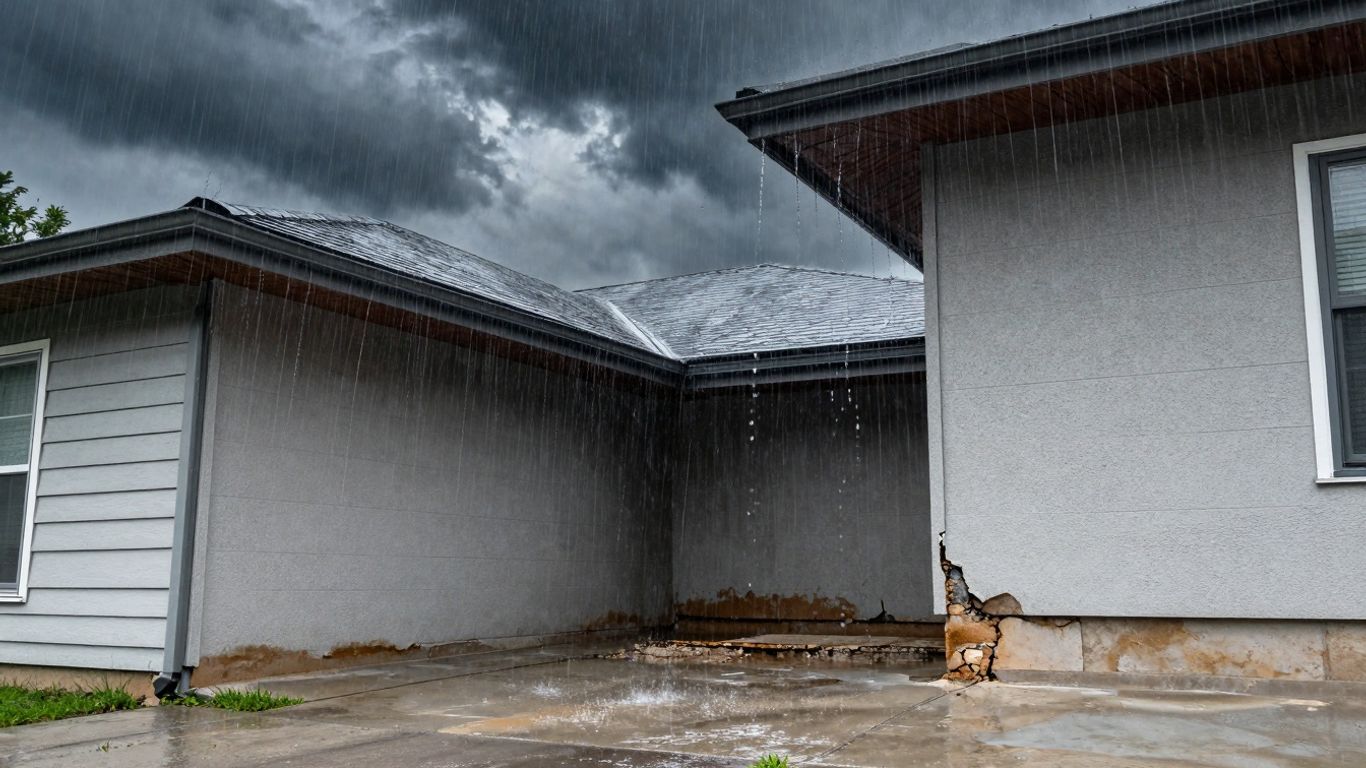
When winter rains hit hard, we need to make sure our homes are ready. A lot of water can cause problems, especially around the basement. We can do a few things outside our homes to help keep that water from getting in.
Maintain Gutters and Downspouts for Optimal Water Flow
Our gutters and downspouts are like the first line of defense against water. If they’re clogged with leaves, twigs, or ice, the water has nowhere to go but over the sides and down towards our foundation. We need to check them regularly, especially before the heavy rains start. Clearing out any blockages is pretty straightforward. We can use a small trowel or even just our hands to pull out the gunk. For downspouts, we want to make sure they’re directing water at least a few feet away from the house. Sometimes, we might need to add extensions to make sure the water is carried far enough.
- Regularly inspect gutters for debris.
- Clean out any leaves, pine needles, or other blockages.
- Ensure downspouts are securely attached and extend away from the foundation.
We should also think about the slope of our gutters. If they’re not angled correctly, water can pool in them, which isn’t good either. A slight downward slope towards the downspout is what we’re aiming for.
Ensure Proper Grading Away From Your Foundation
Beyond the gutters, we need to look at the ground around our house. The land should slope away from the foundation. This is called grading. If the ground slopes towards the house, water will naturally flow that way, pooling up against the basement walls. We want to avoid that at all costs. Sometimes, over time, the soil can settle, and the grading might change. We might need to add a bit of soil, like clay-heavy soil, to build up the area near the foundation and create that outward slope. We’re talking about a slope of about six inches over the first ten feet away from the house. It doesn’t sound like much, but it makes a big difference in directing water.
Here’s a quick look at what we’re aiming for:
| Distance from Foundation | Desired Drop |
|---|---|
| First 10 feet | 6 inches |
| Next 10 feet | Additional 4-6 inches |
We need to be mindful of landscaping too. Planting shrubs or trees too close to the foundation can sometimes disrupt the grading or even push against the walls over time. It’s best to keep a clear space, at least a couple of feet wide, right next to the foundation where the grading is most important.
Checking these exterior elements might seem like a lot, but it’s a really effective way to prevent water from even getting close to our basement walls in the first place. It’s all about managing water before it becomes a problem.
Implementing Effective Basement Waterproofing Strategies
Even with the best exterior defenses, sometimes water finds a way in. That’s where basement waterproofing comes into play. We need to think about how to stop water before it even gets a chance to seep through our foundation walls.
Seal Cracks and Gaps in Foundation Walls
This is often the first line of defense. Over time, concrete foundations can develop small cracks. These might seem minor, but during heavy rains, they can become entry points for water. We should inspect our basement walls regularly, especially after a long winter or a period of heavy precipitation. Look for any hairline fractures, larger splits, or gaps where the wall meets the floor or around pipes and windows.
- For small cracks (less than 1/8 inch wide): We can use a good quality hydraulic cement or a specialized epoxy injection kit. These materials expand to fill the void and create a waterproof barrier. It’s a bit like giving your foundation a bandage.
- For larger cracks or gaps: These might require a more robust approach. We might need to widen the crack slightly to ensure the sealant can get deep inside, then fill it with hydraulic cement or a flexible polyurethane caulk. If there are significant structural issues, it’s best to consult a professional.
- Around penetrations: Areas where pipes, wires, or vents pass through the foundation are common weak spots. We need to make sure the sealant around these points is intact and hasn’t deteriorated.
Addressing these small issues proactively can save us a lot of trouble down the road. It’s much easier to fix a tiny crack now than to deal with a flooded basement later.
Consider Interior and Exterior Waterproofing Solutions
Sometimes, sealing cracks isn’t enough, or we want an extra layer of protection. This is where we look at more involved waterproofing systems.
Exterior Waterproofing: This involves excavating the soil around the foundation and applying a waterproof membrane or coating directly to the outside of the foundation walls. It’s a more involved process, often requiring professional help, but it’s very effective at stopping water before it reaches the foundation.
Interior Waterproofing: This is usually done from the inside of the basement. Common methods include:
- Sump Pumps: These are vital. A sump pump system collects water that might enter the basement and pumps it away from the house. We need to make sure our sump pump is in good working order, has a battery backup, and is tested regularly.
- Interior Drainage Systems: These systems, often called French drains or weeping tile systems, are installed along the inside perimeter of the basement floor. They collect water that seeps in at the wall-floor joint and channel it to the sump pump.
- Waterproof Coatings and Sealants: Applied to the interior walls, these can provide an additional barrier against moisture. While they won’t stop a major leak, they can help manage dampness and minor seepage.
Choosing the right solution depends on the specific issues we’re facing, the age of our home, and our budget. Sometimes a combination of interior and exterior methods provides the best overall protection against those heavy winter rains.
Wrapping Up
So, we’ve gone over a few ways to keep that basement dry when the skies open up. It might seem like a lot, but tackling these things now can save us a huge headache later. Think about checking those gutters, making sure the ground slopes away from the house, and maybe even looking at the foundation itself. We don’t want to be dealing with soggy carpets and musty smells when the winter rains hit hard. A little bit of work now means a lot less worry down the road. Let’s get ahead of it before the next downpour.
Frequently Asked Questions
Why are our gutters so important when it rains a lot?
We need to keep our gutters and downspouts clear. When they get clogged with leaves or debris, water can’t flow away properly. This can cause water to back up and spill over, potentially pooling around our home’s foundation, which is the last thing we want during heavy rain.
What does it mean to grade the ground away from our foundation?
Grading simply means shaping the soil around our house. We want to make sure the ground slopes downwards, moving away from the foundation walls. This simple step helps guide rainwater and melting snow away from the house, preventing it from sitting and seeping into the basement.
What are some ways we can stop water from getting into our basement?
There are a few things we can do. First, we should check our basement walls for any cracks or holes and seal them up tight. For extra protection, we might look into waterproofing the inside or outside of our basement walls. These methods create a barrier to keep water out.
Recent Comments