

As homeowners, we often don’t think much about what’s happening beneath our feet. But the ground around our homes is constantly changing, especially with the seasons. We’ve noticed that changes in weather can really impact the stability of our house foundations. From the heat of summer to the freeze of winter, the soil around our homes expands and contracts, and this movement can lead to problems. Understanding these natural cycles is the first step in protecting our homes.
Key Takeaways
- Soil around your home changes with the weather, expanding when wet and contracting when dry, and also when it freezes. This can put stress on your foundation.
- Watch for signs like cracks in walls or floors, and doors or windows that start sticking. These can be indicators that your foundation is shifting.
- If you see signs of foundation issues, it’s smart to look into professional foundation repair services sooner rather than later to prevent bigger problems.
Understanding Soil Expansion And Contraction
We often don’t think about the ground beneath our homes, but it’s constantly shifting. This movement is a major player in foundation issues, especially with the changing seasons. The soil around our foundations isn’t static; it reacts to moisture and temperature.
The Impact Of Moisture On Clay Soil
Clay soil is particularly tricky. When it gets wet, clay particles absorb water and swell up. Think of it like a sponge, but much, much stronger. This expansion pushes against your foundation walls. Then, when the weather dries out, the clay shrinks. This shrinking creates gaps between the soil and your foundation. Water can then seep into these gaps, and the cycle starts again. This constant push and pull puts a lot of stress on your home’s structure over time. It’s this repeated wetting and drying that causes the most damage.
How Freezing Temperatures Affect Soil
Cold weather brings its own set of problems. When water in the soil freezes, it expands. This is called frost heave. If enough water freezes under or around your foundation, it can lift the structure unevenly. When the ice melts, the soil settles back down, but not always to its original position. This can leave parts of your foundation lower than others, creating uneven support. We’ve seen foundations shift significantly after a harsh winter with lots of freeze-thaw cycles. It’s a slow process, but the damage can be substantial.
The ground around your house is alive, in a way. It breathes with the seasons, expanding when it’s wet or cold, and contracting when it’s dry or warm. Understanding this natural behavior is the first step to protecting your home.
Recognizing Signs Of Foundation Damage
We often don’t think about our home’s foundation until something goes wrong. It’s like the silent guardian, working away unseen. But when the seasons change, especially with the freeze-thaw cycles and moisture shifts we experience, our foundations can show signs of stress. It’s important we learn to spot these issues early. Catching foundation problems when they’re small can save us a lot of headaches and money down the road.
Visible Cracks And Gaps
One of the most common indicators that something’s up with the foundation is the appearance of cracks. These aren’t always the hairline fractures that might come from normal settling. We’re talking about cracks that seem to grow or widen over time. You might see them in:
- The concrete walls of your basement or crawl space.
- The exterior brickwork or stucco of your home.
- Even on interior drywall, especially around door frames and window openings.
These cracks can vary in size and direction. Some might be vertical, others horizontal, and some might even look like they’re stepping through the mortar joints in brick. If you notice a crack that’s wider than a dime, or one that seems to be getting longer or deeper, it’s definitely worth a closer look.
Doors And Windows That Stick
Have you ever noticed that a door in your house suddenly becomes difficult to open or close? Or maybe a window that used to slide smoothly now jams? This can be a sign that the house itself is shifting, and the frame around the door or window is no longer square. When the foundation settles unevenly, it can put pressure on the structure above, causing these common household annoyances.
It’s not just about them sticking, either. You might also see:
- Gaps appearing between the door or window frame and the wall.
- The door or window no longer closing flush with the frame.
- The locking mechanism becoming difficult to engage.
These symptoms, especially if they appear suddenly or worsen over a short period, point towards a potential issue with the foundation’s stability. It’s easy to dismiss a sticky door as just a minor annoyance, but it could be a subtle warning sign.
Sometimes, the smallest changes are the ones we need to pay the most attention to. Our homes are complex systems, and when one part is under stress, it can affect others in ways we might not immediately connect. Being observant about these little things can make a big difference in maintaining our home’s integrity.
We should also keep an eye out for other subtle signs, like uneven floors or nail pops in the drywall. These, combined with cracks or sticking doors, paint a clearer picture of what might be happening beneath our feet.
When To Seek Professional Foundation Repair Services
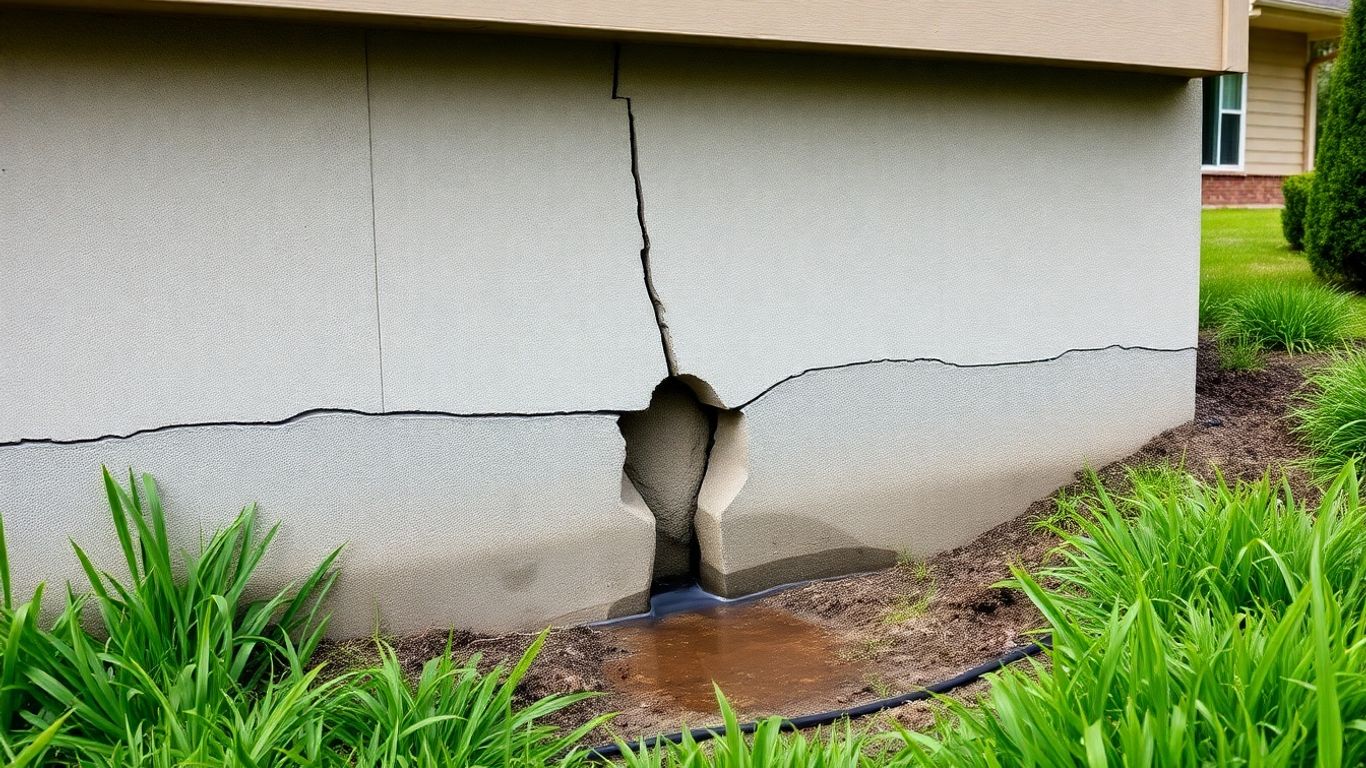
We all like to think we can handle things around the house ourselves, and sometimes, that’s true. Fixing a leaky faucet or painting a room? Sure, we can probably manage. But when it comes to our home’s foundation, it’s a different story. These issues aren’t just cosmetic; they affect the very structure that keeps our houses standing. Ignoring foundation problems can lead to much bigger, more expensive repairs down the line. It’s better to be safe than sorry, especially when the integrity of your home is at stake.
Addressing Minor Issues Before They Worsen
Sometimes, you might notice small signs that could indicate a developing foundation problem. Maybe a hairline crack appears in a wall, or a door feels a little stiff when you open it. It’s tempting to just fill the crack with spackle or ignore the sticky door. However, these small issues can be early warnings. Think of them like a small cavity in your tooth; if you don’t get it filled, it can turn into a root canal situation later. We need to pay attention to these subtle changes.
Here are some things to watch out for:
- Small, stair-step cracks in drywall or plaster.
- Slightly uneven floors.
- Minor gaps appearing where walls meet ceilings or floors.
- A door or window that has started to stick, even just a little.
If you spot any of these, it’s wise to get a professional opinion. They can tell you if it’s just normal settling or something that needs attention. It’s like getting a check-up from the doctor; better to catch things early.
Choosing The Right Foundation Repair Services
When you decide it’s time to call in the pros, you want to make sure you’re picking the right team. Not all foundation repair companies are created equal. We need to do our homework. Look for companies that have a good reputation in our area. Check online reviews, ask neighbors for recommendations, and see how long they’ve been in business. A company with years of experience is usually a good bet.
When you talk to potential repair services, ask them about:
- Their experience with the specific type of foundation problem you’re seeing.
- The methods and materials they plan to use for the repair.
- What kind of warranty or guarantee they offer on their work.
- If they can provide references from past clients.
Getting multiple quotes is also a smart move. This helps us compare prices and understand the scope of work. Don’t just go with the cheapest option; focus on who seems most knowledgeable and trustworthy. A good foundation repair service will explain everything clearly and make us feel confident in their ability to fix the issue properly. We want a lasting solution, not a quick patch that will fail later.
Wrapping Up: Keeping Your Foundation Strong
So, we’ve talked a lot about how the weather can really mess with our homes, especially the parts underground. It’s kind of like how we change our clothes when it gets cold or hot, but for our houses, it’s the ground around them that’s doing the shifting. We’ve seen how water, freezing, and even just the regular cycle of seasons can put stress on the foundation. It’s not something most of us think about day-to-day, but it’s happening. Paying attention to these changes, maybe doing a quick check now and then, can really help us spot problems early. It’s better to catch a small issue before it turns into a big, expensive headache. Think of it as giving your home a little extra care throughout the year, just like you’d take care of yourself.
Frequently Asked Questions
Why does our house foundation move with the seasons?
Our home’s foundation can shift because the soil around it changes. When it rains a lot or snow melts, the soil gets wet and swells up. In dry spells or when it gets very cold, the soil shrinks and pulls away. This constant swelling and shrinking puts stress on our foundation.
What are some signs that our foundation might be damaged by weather?
We should look for tell-tale signs. Small cracks might appear in our walls or floors. Sometimes, doors and windows can start to stick or become hard to open and close. These are often indicators that the ground around our house is pushing or pulling on the foundation.
When should we get help for foundation problems?
It’s best to address any issues early. If we notice small cracks or sticky doors, it’s wise to have them checked. Waiting too long can allow minor problems to become much bigger and more expensive to fix. We should consult with foundation experts to ensure our home stays safe and stable.
Recent Comments