

After a heavy rain, checking your home’s foundation is a smart move. We know that water can do a lot of damage, and sometimes it’s not obvious right away. That’s why we want to talk about how we look at foundations when things get wet. Our foundation inspection services are designed to find any problems before they get bigger. We want to make sure your home stays safe and sound, especially after a big storm.
Key Takeaways
- We look closely at the outside walls of your foundation for any signs of trouble. We also check inside your house for any water that might have gotten in.
- We check how wet the soil is around your house and how well water drains away. We also look for any cracks or sinking in the foundation.
- Our goal is to give you peace of mind by finding any foundation issues early. We use different methods to make sure we don’t miss anything.
Comprehensive Foundation Inspection Services After Storms
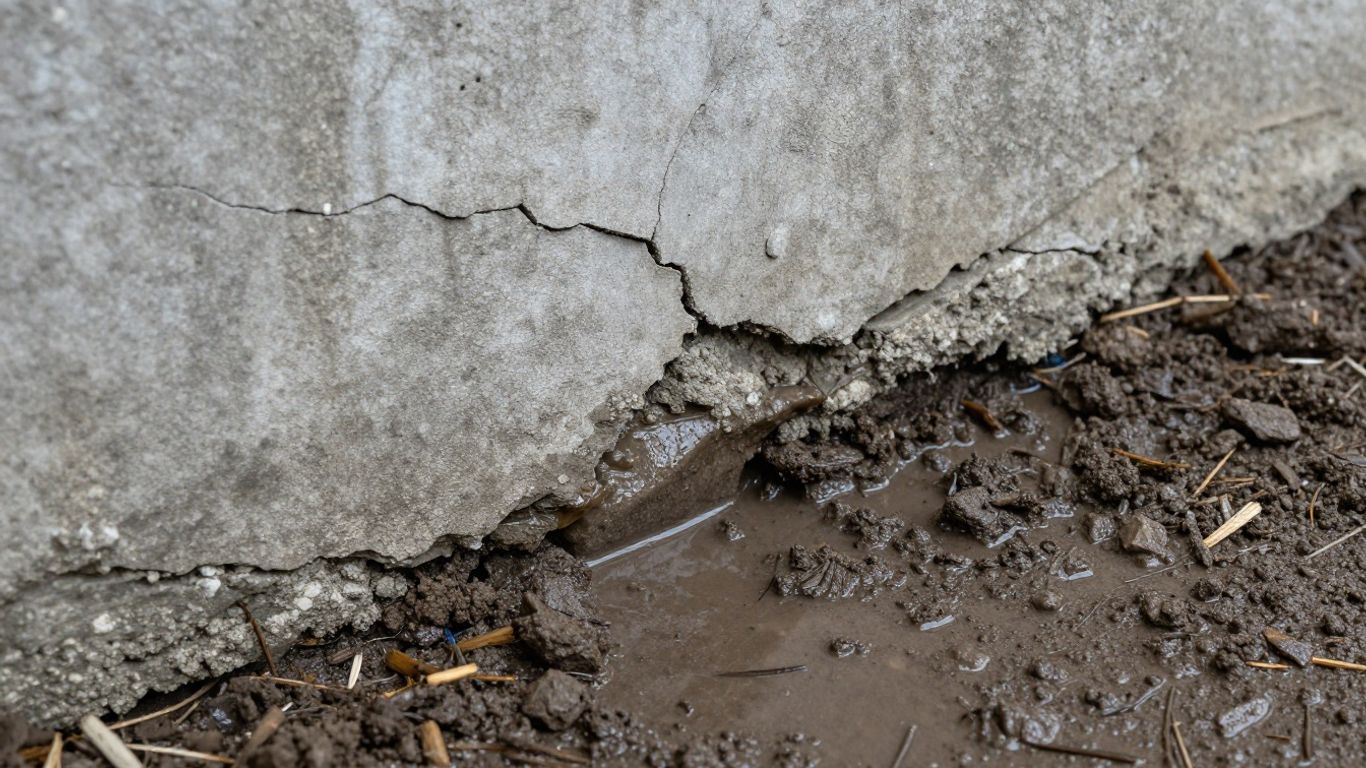
After a heavy rain, we know you’re probably worried about your home’s foundation. That’s why we make it a point to check things out thoroughly. We don’t just glance at your foundation; we really look at it. Our team goes through a detailed process to make sure everything is okay.
Visual Assessment Of Exterior Foundation Walls
First off, we walk around the outside of your house. We’re looking for any new cracks or changes in old ones. Sometimes, water can push soil around, and that can put pressure on the walls. We check for any signs of bowing or leaning, too. It’s all about spotting problems early before they get bigger.
Interior Water Intrusion Detection
Then, we head inside. We want to see if any water has managed to seep into your basement or crawl space. We look for damp spots on the walls or floor, any musty smells, or even visible mold. Finding water inside is a clear sign that something needs attention. We also check around windows and doors in the lower levels, as these can be entry points for water.
Sometimes, the smallest signs can point to a larger issue. We pay close attention to details that others might miss.
We often find that after a lot of rain, the ground around the house gets really soaked. This can lead to a few common problems:
- New or worsening cracks in the foundation walls.
- Water stains appearing on interior walls or floors.
- A noticeable damp or musty smell in lower levels.
- Changes in how doors and windows open and close, suggesting movement.
Evaluating Structural Integrity With Advanced Techniques
After the initial visual check, we move on to figuring out what’s really going on beneath the surface. Heavy rain can do more than just make things look wet; it can really mess with the ground around your house.
Soil Saturation and Drainage Analysis
We pay close attention to how saturated the soil is. When the ground holds too much water, it can put a lot of pressure on your foundation walls. We look for signs like standing water near the foundation, unusually soft or muddy soil, and how well your gutters and downspouts are directing water away from the house. Poor drainage is a big culprit in foundation problems after a storm. We might use tools to measure moisture levels in the soil to get a clearer picture. Proper drainage is key to preventing future issues.
Cracking and Settlement Evaluation
We then carefully examine any cracks we find. Not all cracks are a big deal, but after heavy rain, new ones or ones that have gotten bigger are definitely worth investigating. We measure them and note their location and direction. We also look for signs of settlement, which is when the foundation sinks unevenly. This can show up as doors or windows that stick, or visible slopes in the floors. We use tools like a level and sometimes even more precise equipment to detect subtle shifts that might not be obvious to the naked eye. It’s all about understanding the extent of any movement.
Here’s a quick look at what we check for:
- New cracks appearing on foundation walls.
- Existing cracks widening or deepening.
- Uneven settling of the foundation.
- Water pooling around the exterior.
- Sticking doors or windows.
Sometimes, the most serious problems aren’t immediately visible. The ground itself can shift and settle, causing stress that might not result in obvious damage for a while. That’s why our detailed checks are so important.
Wrapping Up Our Foundation Checks
So, after all that rain, we’ve seen how important it is to get a good look at your foundation. We’ve walked through the steps we take here at PermaJack of Louisville to make sure everything is holding up. It’s not just about spotting problems; it’s about giving you peace of mind. We know that dealing with water and potential foundation issues can be stressful. That’s why we aim to be thorough and clear in our inspections. If you’re worried about what the recent weather might have done, give us a call. We’re here to help you figure out what’s going on and what needs to be done, if anything.
Frequently Asked Questions
What should we look for on our foundation walls after a big storm?
After heavy rain, we carefully check the outside walls of your foundation. We’re looking for any new cracks, signs of water seeping in, or areas where the wall might be leaning. It’s like giving your home’s base a good once-over to make sure it’s still strong and dry.
How do we know if water is getting inside our basement or crawl space?
We use special tools and our eyes to find out if water is sneaking into your home’s lower levels. We look for damp spots, puddles, mold, or that musty smell that tells us moisture is present. Finding these early helps us prevent bigger problems down the road.
Can heavy rain really hurt our foundation’s strength?
Absolutely. When the soil around your foundation gets too wet, it can expand and then shrink as it dries. This constant change can put stress on your foundation, leading to cracks or the ground sinking a bit. We check how the soil is behaving and look for any signs that the foundation has shifted or settled.
Recent Comments