

Spring downpours can be beautiful, but they can also cause problems for our homes. When the ground gets soaked, it can put pressure on our foundations. We’ve noticed some cracks appearing after the recent heavy rains, and it got us thinking about what homeowners should look out for. It’s important to know when a small crack might be a sign of a bigger issue, and when it’s time to call in the pros for foundation crack repair.
Key Takeaways
- Heavy spring rains can saturate the soil around your home, leading to pressure that might cause foundation cracks.
- We need to learn how to spot different types of foundation cracks to understand their potential severity.
- Knowing when to get professional foundation crack repair is important to prevent further damage to our homes.
Understanding Foundation Cracks After Heavy Rain
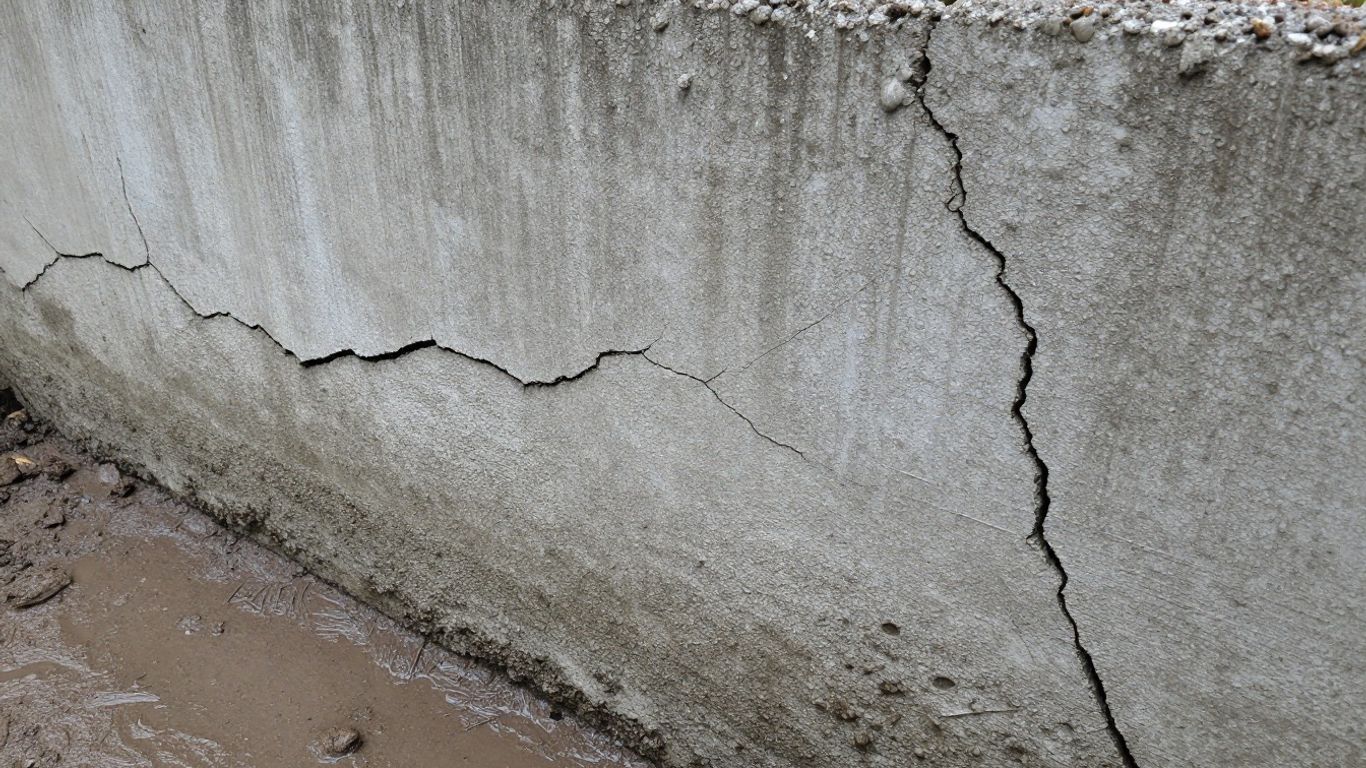
Spring downpours can be a mixed bag for homeowners. While we appreciate the much-needed water for our gardens, the excessive moisture can sometimes lead to unwelcome issues with our homes, particularly the foundation. We’ve all seen those dramatic images of flooded streets, but even less severe, prolonged rain can have a significant effect underground.
The Impact of Saturated Soil on Your Foundation
When the ground around our homes becomes saturated, it expands. Think of it like a sponge soaking up water – it gets bigger. This expansion puts outward pressure on your foundation walls. Then, as the weather dries out, the soil shrinks, creating gaps. This cycle of expanding and shrinking soil puts a lot of stress on your foundation. This constant push and pull is a primary reason why cracks can appear. Water can also seep into existing small cracks, freeze and expand in colder temperatures, making those cracks even larger.
We often don’t think about what’s happening beneath our feet, but the soil’s behavior is directly linked to our home’s stability. Different soil types react differently to moisture. Clay soil, for instance, tends to expand and contract quite a bit, making it more prone to causing foundation issues than sandy soil.
Identifying Different Types of Foundation Cracks
Not all cracks are created equal, and understanding the differences can help us know when to worry. We generally see a few common types:
- Hairline Cracks: These are very thin, often less than 1/16th of an inch wide. They can be caused by the natural drying and shrinking of concrete as it cures, or minor soil movement. Usually, these aren’t a cause for immediate alarm.
- Vertical Cracks: These run straight up and down. They can sometimes be a result of the concrete settling or minor temperature fluctuations.
- Horizontal Cracks: These run parallel to the ground. These are often more concerning because they can indicate significant pressure from saturated soil pushing inward on basement walls.
- Stair-Step Cracks: These cracks follow the mortar lines in block or brick foundations, looking like a staircase. Like horizontal cracks, they often suggest pressure from the soil.
It’s important to remember that minor settlement cracks are normal for most homes. However, any crack that widens over time, or changes in appearance, warrants a closer look. We should always keep an eye on our home’s foundation, especially after periods of heavy rain.
We can also look at the width and length of the cracks. A crack that’s wider than a dime, or one that runs the entire length of a wall, is more likely to be a sign of a bigger problem. We should also note if there are any signs of water intrusion, like dampness or efflorescence (a white, powdery substance) near the crack.
When to Seek Professional Foundation Crack Repair
We’ve all seen those hairline cracks appear after a good rain, and sometimes they’re nothing to worry about. But other times, they can be a sign of something more serious going on with our homes. It’s easy to put off, but ignoring foundation issues can lead to bigger, more expensive problems down the road. So, when should we really be calling in the pros?
Signs That Indicate a Need for Foundation Crack Repair
Not all cracks are created equal. A small, thin crack that stays the same size might just be cosmetic. However, we need to pay attention when cracks start showing certain characteristics. These are the red flags that tell us it’s time to get a professional opinion:
- Cracks that are wider than a pencil. If you can fit a pencil eraser into the crack, that’s a pretty good indicator it’s more than just surface-level settling.
- Cracks that run horizontally. Vertical cracks are often due to normal settling, but horizontal cracks can suggest pressure from the soil pushing inward, which is a more serious concern.
- Stair-step cracks. These often appear in brick or block foundations and follow the mortar lines. They can indicate that parts of the foundation are moving unevenly.
- Cracks that are growing. If you notice a crack getting longer or wider over time, especially after more rain, it’s a clear sign of ongoing movement.
- Water intrusion. Any sign of moisture, dampness, or even mold appearing near or within a crack means the foundation’s integrity is compromised and water is getting in.
- Doors or windows that stick. If you find it harder to open or close doors and windows, it could mean the foundation has shifted, causing the frame to warp.
- Uneven floors. Sagging or sloping floors are another common symptom of foundation problems.
The Importance of Timely Foundation Crack Repair
Putting off foundation repairs is rarely a good idea. Think of it like a small leak in your roof; ignoring it won’t make it go away, and it will likely lead to water damage inside your home. The same applies to foundation cracks. Addressing foundation issues promptly can save us a significant amount of money and hassle in the long run.
Here’s why acting fast matters:
- Prevents further damage: Small cracks can widen and deepen, leading to more extensive structural problems that are much costlier to fix.
- Protects against water damage: Cracks are entry points for water. Letting water seep into your foundation can lead to mold growth, rot, and damage to your home’s interior.
- Maintains home value: A sound foundation is key to a home’s overall structural integrity and value. Potential buyers will be wary of homes with known foundation issues.
- Ensures safety: In severe cases, significant foundation damage can compromise the safety of your home.
When we see multiple signs of foundation trouble, especially after heavy rains, it’s best not to guess. Getting a professional assessment is the smartest move. They have the tools and knowledge to figure out exactly what’s going on and recommend the right fix before a minor issue becomes a major headache.
What to Do Next
So, after all that rain, we’ve looked at what those cracks might mean for our homes. It’s easy to see a crack and just ignore it, hoping it’ll go away. But we know now that some cracks are more than just cosmetic. They can be a sign that something bigger is going on with the ground under our houses. If you’ve found some new lines in your foundation, don’t just shrug them off. Take a good look, maybe snap a few pictures, and if they seem serious or are getting bigger, it’s probably a good idea to get a professional opinion. Better safe than sorry when it comes to keeping our homes solid, right?
Frequently Asked Questions
Why do cracks appear in our foundation after it rains a lot?
When the ground around our house gets soaked with water from heavy rain, it expands. This expansion pushes against the foundation walls. Later, when the soil dries out, it shrinks. This constant pushing and pulling can cause the concrete to crack. Think of it like a sponge that swells when wet and shrinks when dry – the foundation experiences similar stress.
Are all foundation cracks dangerous?
Not necessarily. Some small, hairline cracks might just be from the concrete settling or drying over time, which is pretty normal. However, if we see cracks that are wider than a pencil, are jagged or stair-step shaped, or if they seem to be getting bigger, those are the ones we need to pay close attention to. These bigger cracks could mean there’s a bigger problem with the soil or the foundation itself.
How soon should we get a professional to look at a foundation crack?
We should call a professional as soon as we notice any cracks that worry us, especially if they are growing or look serious. It’s better to be safe than sorry. Catching a small issue early can prevent it from turning into a much larger and more expensive repair down the road. Waiting too long might allow water to seep in, causing more damage to the foundation and even the inside of our home.
Recent Comments