

Fall Maintenance Tips to Help Prevent Basement Leaks in Louisville, KY
October in Louisville is one of the best times of year to be outside—cooler mornings, colorful leaves, and plenty of football-weather weekends. But for homeowners, fall is also one of the most important seasons to protect your basement from water intrusion. As temperatures swing, leaves clog gutters, and seasonal rains move through the Ohio Valley, small drainage issues around your home can quickly turn into basement leaks.
At Permajack of Louisville, we have seen how often basement water problems start with preventable maintenance issues. A clogged downspout, a negative slope near the foundation, or an unnoticed crack in a basement wall can allow water to find its way inside. The good news is that October is the perfect time to inspect, clean, and correct these problems before winter arrives.

Key Takeaways:
- Clean gutters and extend downspouts before heavy fall rain to move water away from your foundation.
- Inspect basement walls, window wells, and exterior grading in October before winter freeze-thaw cycles make problems worse.
- Call Permajack of Louisville if you notice basement dampness, cracks, musty odors, or standing water near your foundation.
Why Fall Basement Maintenance Matters in Louisville
Louisville weather in October can be unpredictable. One week may be sunny and mild, while the next brings several days of rain. Those seasonal rain events can saturate soil around your foundation, especially if your gutters and yard drainage are not working properly.
As leaves drop from trees, gutters and underground drain lines can clog fast. When water overflows near the foundation, it increases hydrostatic pressure against basement walls. Over time, that pressure can push water through cracks, mortar joints, gaps around pipes, or the cove joint where the wall meets the floor.
Fall is also the season before winter freeze-thaw cycles begin. If water is already collecting near your foundation in October, freezing temperatures later in the year can expand that moisture and worsen cracks or movement. Handling these issues now can help prevent more expensive repairs later.
1. Clean Your Gutters and Check Downspouts
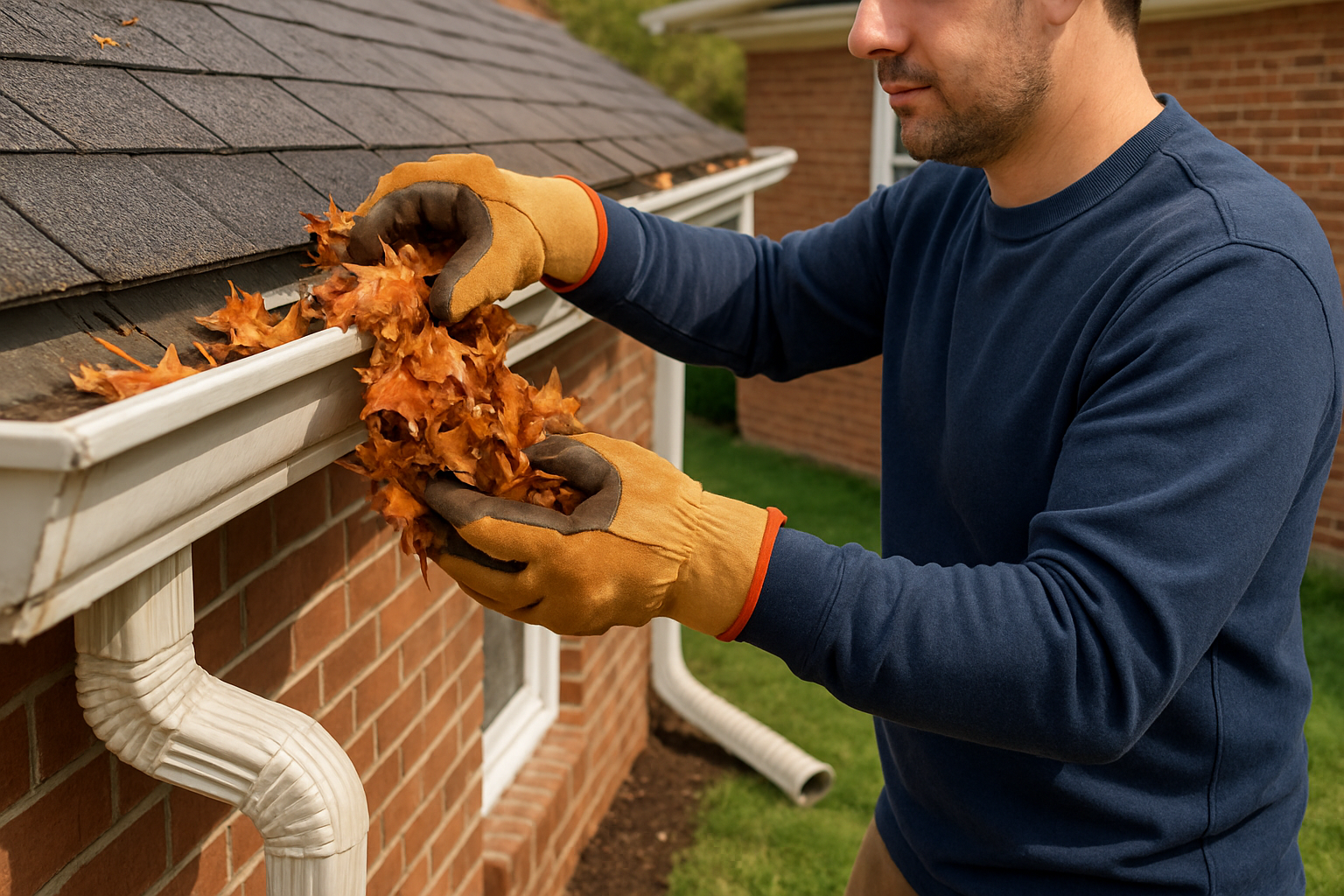
One of the simplest and most effective ways to prevent basement leaks is to keep roof water away from your foundation. In Louisville neighborhoods with mature trees—like St. Matthews, Highlands, Crescent Hill, Fern Creek, and Jeffersontown—gutters can fill with leaves quickly during October.
Make sure your gutters are clear and your downspouts are properly connected. Watch where the water goes during the next rain. If it is dumping right next to the house, that water can soak into the soil and press against your basement walls.
- Remove leaves, twigs, and debris from gutters.
- Check for sagging gutter sections that hold standing water.
- Make sure downspouts discharge at least 5 to 10 feet away from the foundation when possible.
- Inspect splash blocks and downspout extensions for cracks or displacement.
- Look for erosion channels near downspout outlets.
If your home has underground drain lines, confirm they are flowing freely. A buried drain that is clogged with leaves can back water up at the base of the downspout—right where you do not want it.
2. Inspect the Grading Around Your Home
Your yard should slope away from the foundation. Even a small low spot next to the house can collect water during a fall rainstorm. Over time, soil can settle around the perimeter of your home, especially near porches, patios, sidewalks, and utility trenches.
Walk the outside of your home after a rain and look for standing water. Pay attention to mulch beds as well. While fresh fall landscaping looks great, mulch piled too high against the foundation can trap moisture and hide cracks, gaps, or pest entry points.
A good rule of thumb is that soil should slope away from the house for the first several feet. If water is draining toward the foundation, regrading may be needed. In some cases, a drainage solution such as a swale, French drain, or buried downspout extension may be appropriate.
3. Check Basement Walls and Floors for Warning Signs
October is a great time to do a careful basement inspection before holiday storage, winter weather, and colder temperatures make problems easier to ignore. Turn on bright lights and look closely at walls, floors, corners, and around basement windows.
Some warning signs are obvious, like water on the floor. Others are more subtle. If you notice any of the following, it may be time to have a professional take a look:
- Musty or damp odors in the basement.
- White chalky residue on concrete or block walls, known as efflorescence.
- Cracks in basement walls or floor slabs.
- Peeling paint, bubbling coatings, or stained drywall.
- Water marks near the base of the wall.
- Rust on metal appliances, shelving, or support posts.
- Wood trim or framing that feels soft or swollen.
These signs often indicate that moisture has been present, even if you do not currently see active water. Basement leaks rarely fix themselves. The sooner the source is identified, the easier it is to protect your home.
“We thought the damp smell in our basement was just part of having an older Louisville home. Permajack found where water was getting in, explained the repair clearly, and helped us feel confident before the next big rain.”
— Permajack of Louisville Customer
4. Keep Window Wells Clear and Draining
Basement window wells are common leak points in the fall. Leaves collect inside them, drains clog, and water can rise against the window frame during heavy rain. Once water reaches the window, it may seep through gaps, worn seals, or small cracks around the opening.
Clean out window wells in October and make sure the drain is visible and functioning. If your window wells do not have covers, consider adding them to help keep out leaves, debris, and rain. Also inspect the caulking and frame condition around each basement window.
If you see rust, rot, separation, or signs that water has been entering around a window, do not ignore it. A small leak around a window well can create mold concerns, damage finished basement walls, and lead to recurring moisture problems.
5. Test Your Sump Pump Before Fall Rains
If your basement has a sump pump, test it before the next stretch of rainy weather. Pour water into the sump pit and confirm the pump turns on, removes the water, and shuts off properly. Also check that the discharge line is clear and directs water away from the foundation.
October is also a good time to consider a battery backup system. Fall storms can bring power outages, and a sump pump cannot protect your basement if it has no power. If your basement is finished or used for storage, a backup system may be a smart investment.
6. Watch for Foundation Cracks and Movement
Not every basement leak is only a waterproofing issue. Sometimes water problems are connected to foundation movement, settlement, or pressure from saturated soil. Louisville’s clay-heavy soils can expand when wet and shrink during dry periods, placing stress on foundation walls and footings.
If you notice stair-step cracks in brick or block, horizontal cracks in basement walls, doors that suddenly stick, uneven floors, or gaps around windows, it is time to call a foundation repair professional. These symptoms may indicate movement that should be evaluated before it worsens.
At Permajack of Louisville, we understand both waterproofing concerns and foundation stability. That matters because stopping water is important—but so is understanding why the water problem is happening in the first place.

Why Choose Permajack of Louisville?
When you are dealing with basement leaks, foundation cracks, or drainage concerns, you want a company that understands local homes and local soil conditions. Permajack of Louisville is proud to serve homeowners throughout Louisville and surrounding Kentucky communities with practical, professional solutions.
Homeowners choose us because we focus on diagnosing the problem, not just covering up the symptom. A wet basement may be caused by clogged drainage, foundation cracks, poor grading, failed waterproofing, hydrostatic pressure, or structural movement. Our job is to help determine the right repair approach for your home.
- Local experience: We understand Louisville weather, clay soils, and common foundation issues in the Ohio Valley.
- Honest evaluations: We take time to inspect the problem and explain what we find.
- Proven repair solutions: From foundation repair to basement waterproofing support, we help protect your home from long-term damage.
- Customer-focused service: We treat your home with respect and communicate clearly throughout the process.
- Preventive mindset: We help homeowners address small issues before they become major repairs.
Schedule a Fall Basement Inspection
October is the right time to get ahead of basement leaks in Louisville. Before winter weather arrives, take a weekend to clean gutters, inspect grading, clear window wells, test your sump pump, and look for signs of moisture inside your basement.
If you find cracks, dampness, musty odors, or water intrusion, Permajack of Louisville is here to help. Our team can evaluate your basement and foundation concerns and recommend a solution designed for your home’s needs.
Do not wait until a heavy fall rain turns a small moisture issue into a wet basement. Contact Permajack of Louisville today to schedule an inspection and protect your home for the seasons ahead.
Recent Comments