

As the leaves change and the temperatures drop here in Louisville, it’s the perfect time to think about our homes’ defenses against the wet weather. Sump pumps are often out of sight, out of mind, until they aren’t working. We’ve put together some straightforward tips to help you tackle common sump pump issues this fall, and know when it’s time to call in the pros for sump pump repair Louisville.
Key Takeaways
- We can identify signs that our sump pump might be failing, such as unusual noises or a constantly running motor, and take steps to address water backup before it leads to basement flooding.
- We should perform regular checks on our sump pumps and take simple preventative actions to help our pumps last longer, especially with the fall rains approaching.
- We need to recognize when a sump pump problem is too complex for a DIY fix and find dependable services for sump pump repair in Louisville.
Troubleshooting Common Sump Pump Problems
When your sump pump decides to take a break, especially with fall rains picking up around Louisville, it can lead to some serious headaches. We’ve all been there, hearing that tell-tale gurgle or seeing water creeping where it shouldn’t be. Let’s break down how we can figure out what’s going on and what to do about it.
Identifying Sump Pump Failure Signs
Spotting a problem early can save us a lot of trouble. Sometimes the signs are obvious, and other times they’re a bit more subtle. We need to keep an eye out for a few key indicators that our sump pump might be struggling.
- The pump isn’t running when it should: This is the big one. If you know you’ve got water in the pit and the pump stays silent, that’s a clear sign something’s wrong. We should check if it’s plugged in and if the circuit breaker has tripped.
- Water pooling around the pump: If the water level in the pit is high, but the pump isn’t kicking on, it’s definitely not doing its job.
- Strange noises: Grinding, humming, or rattling sounds coming from the pump can mean internal parts are wearing out or something is stuck.
- The pump runs constantly: This could mean the float switch is stuck in the ‘on’ position, or the pump is too small for the amount of water it’s dealing with.
- Basement smells musty: Even without visible water, a persistent damp smell can indicate the pump isn’t removing moisture effectively, leading to mold and mildew.
Addressing Water Backup and Basement Flooding
When the sump pump fails, water backup and basement flooding are the immediate concerns. This isn’t just an inconvenience; it can cause significant damage to our homes and belongings. Our first priority is always to stop the water from causing more harm.
Here’s what we can do:
- Shut off electricity: If water is rising high, turn off the power to the basement at the breaker box to avoid electrical hazards.
- Remove standing water: If it’s a minor amount, we might be able to use buckets or a wet/dry vacuum. For larger amounts, we’ll need to consider renting a stronger pump or calling for professional help.
- Check the discharge pipe: Sometimes, the problem isn’t the pump itself but a blockage in the pipe that carries water away from the house. We should make sure it’s clear and not frozen or clogged with debris.
- Inspect the float switch: This is the part that tells the pump when to turn on and off. If it’s stuck, tangled, or damaged, the pump won’t work correctly. We can try gently moving it to see if it frees up.
Dealing with basement flooding is stressful. Remember to stay calm and focus on safety first. If the water level is high or you’re unsure about what to do, it’s always best to err on the side of caution and seek professional assistance. We don’t want to make the situation worse by trying to fix something we’re not comfortable with.
We should also think about the discharge line. Is it properly routed away from our foundation? A line that just dumps water near the house will just bring it right back in, defeating the whole purpose of the sump pump.
Essential Sump Pump Maintenance for Louisville Homes
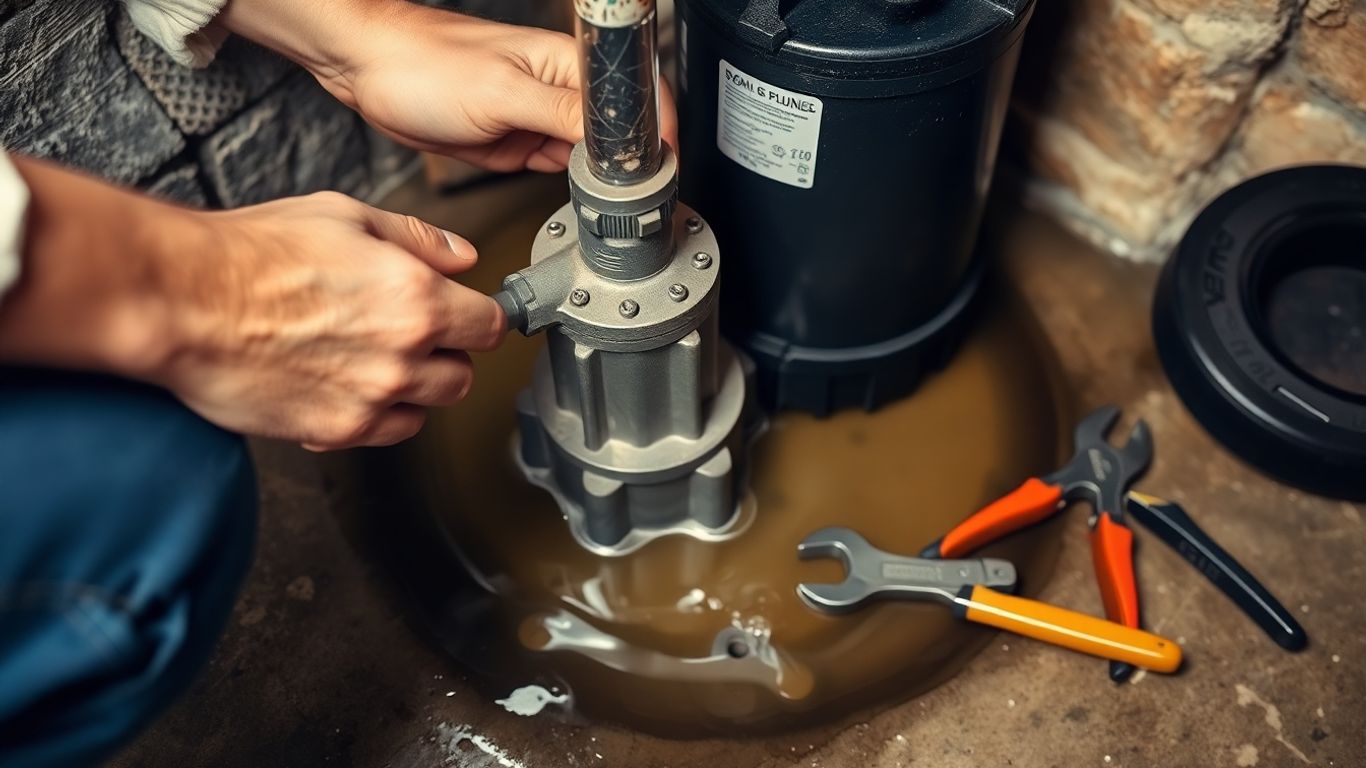
Fall is a prime time to give our sump pumps a good once-over here in Louisville. We all know how quickly those autumn rains can turn into a real problem if our pumps aren’t up to snuff. Taking a little time now can save us a lot of headaches and potential water damage down the road. It’s not rocket science, just a few simple steps we can all manage.
Performing Routine Sump Pump Checks
We should aim to check our sump pumps at least a couple of times a year, and definitely before the heavy rains start. First off, let’s make sure the discharge pipe isn’t blocked. Leaves, debris, or even ice can clog it up, especially after a freeze. We can do this by just looking at it and maybe running some water down it to see if it flows freely away from the house. Next, we need to test the float switch. This is the part that tells the pump when to turn on. Gently lift the float to simulate a full pit. The pump should kick on, and we should hear it running. Let it run for a bit, then let the float drop. The pump should shut off. If it doesn’t, or if it makes weird noises, that’s a sign we might have a problem.
Here’s a quick checklist we can follow:
- Inspect the discharge line for any obstructions.
- Test the float switch by lifting it to activate the pump.
- Listen for unusual noises during operation.
- Check the sump pit for debris and clean it out if necessary.
- Verify the pump is securely plugged into a working outlet.
We want to make sure the pump is actually getting power. Sometimes, a tripped breaker or a loose plug is the culprit. It’s a simple thing, but it stops the pump dead in its tracks.
Preventative Measures for Sump Pump Longevity
Beyond just checking, there are things we can do to help our sump pumps last longer. A battery backup system is a smart investment, especially with Louisville’s unpredictable weather. Power outages can happen, and when they do, a backup battery keeps the pump running. We should also consider a water-powered backup pump if we’re really concerned about power failures. Another good idea is to install a secondary sump pump. If the main one fails, the second one kicks in. It’s like having a backup plan for your backup plan. We also need to keep the area around the sump pit clear. Don’t store things down there; it can interfere with the pump’s operation and even get sucked into the mechanism. Regular maintenance is key to avoiding costly repairs later.
When to Call a Professional for Sump Pump Repair in Louisville
We all like to think we can handle most home repairs ourselves, and that’s great! Tackling smaller issues can save us time and money. However, when it comes to sump pumps, especially with Louisville’s unpredictable fall weather, there are times when calling in the pros is the smartest move. Trying to fix a complex problem without the right knowledge or tools can sometimes make things worse, leading to bigger headaches and more expensive repairs down the line. It’s about knowing your limits and recognizing when a situation calls for experienced hands.
Recognizing Complex Sump Pump Issues
Some sump pump problems are pretty straightforward. Maybe the float switch is just stuck, or there’s a bit of debris blocking the discharge pipe. But other issues signal a deeper problem that we might not be equipped to handle. We should consider calling a professional if we notice any of the following:
- The pump runs constantly but doesn’t pump water: This could mean the impeller is damaged, the pump is air-locked, or there’s a significant break in the discharge line. These aren’t simple fixes.
- The pump cycles on and off rapidly (short-cycling): This often points to a problem with the pressure switch, a faulty check valve, or an improperly sized pump for the pit. It’s not just annoying; it can wear out the motor quickly.
- The sump pit is filling with water, but the pump never turns on: This is a clear sign the pump itself has failed, or the electrical supply to it is interrupted. We need to be careful when dealing with electrical components, especially around water.
- We hear unusual noises coming from the pump: Grinding, rattling, or humming sounds that weren’t there before can indicate internal damage to the motor or bearings.
- The basement floods despite the pump running: This suggests the pump isn’t powerful enough for the volume of water, the discharge line is blocked or frozen, or the pump is simply too old and worn out to do its job effectively.
We’ve found that ignoring these more serious signs can lead to significant water damage. It’s better to be safe than sorry when your home’s protection is on the line.
Finding Reliable Sump Pump Repair Services
If we’ve determined that our sump pump issue is beyond our DIY capabilities, the next step is finding a trustworthy repair service. In Louisville, there are many options, but we want to make sure we’re choosing someone who knows their stuff. Here’s what we look for:
- Check reviews and ask for recommendations: See what other homeowners in the area are saying. Word-of-mouth referrals from neighbors or friends can be incredibly helpful.
- Verify licensing and insurance: A reputable company will be licensed to operate in Kentucky and carry adequate insurance. This protects us in case of any accidents.
- Get multiple quotes: Don’t just go with the first company you call. Get estimates from at least two or three different services to compare pricing and proposed solutions.
- Ask about warranties: Understand what kind of warranty they offer on both parts and labor. This gives us peace of mind.
- Inquire about emergency services: Since sump pump failures can happen at any time, especially during heavy rain, knowing if a service offers 24/7 emergency repairs is a big plus.
Wrapping Up Your Sump Pump Prep
As the autumn leaves start to fall here in Louisville, we hope these tips have given you the confidence to tackle common sump pump problems. Taking a little time now can save you a lot of trouble when the heavy rains hit. Remember, a well-maintained sump pump is your home’s best defense against basement flooding. If you’ve tried these fixes and are still having issues, or if the problem feels too big, don’t hesitate to call a professional. Staying dry this season is the main goal, and a little preventative work goes a long way.
Frequently Asked Questions
What are the main signs that our sump pump might be failing?
We should keep an eye out for a few things. If we notice water pooling around the pump when it should be dry, or if the pump itself is making strange noises like humming or buzzing without actually pumping water, that’s a big clue. Sometimes, the pump might run constantly but not clear water, or it might not turn on at all when needed. These are all strong indicators that something isn’t right.
How often should we check our sump pump to make sure it’s working well?
It’s a good idea to give our sump pump a quick check every few months, especially before the rainy season or when we expect a lot of water. A simple test involves pouring a bucket of water into the sump pit to see if the pump kicks on and drains it effectively. We should also visually inspect it for any debris that might be blocking it and ensure the discharge pipe is clear and not frozen, particularly during colder months like fall in Louisville.
When is it better for us to call a repair person instead of trying to fix the sump pump ourselves?
While we can handle some basic checks and minor clean-ups, there are times when professional help is necessary. If we’ve tried the simple fixes and the pump still isn’t working, or if we suspect a more serious problem like a broken motor, electrical issues, or a cracked pump housing, it’s best to call an expert. Also, if we’re dealing with a major basement flood and the pump isn’t keeping up, a professional has the tools and knowledge to address it quickly and safely.
Recent Comments