

This season, we’re looking at ways to keep our homes dry and sound. Water damage can be a real headache, causing all sorts of problems from mold to structural issues. We’ve put together some practical home waterproofing solutions that don’t break the bank. Let’s get started on making our homes more water-resistant.
Key Takeaways
- Focus on the outside first by fixing any cracks in the foundation and making sure water drains away from your house.
- Inside, pay attention to the basement, sealing it up and making sure it’s dry.
- Don’t forget about the attic; good ventilation and insulation help manage moisture too.
Implementing Effective Home Waterproofing Solutions
When we talk about keeping our homes dry and sound, especially as the seasons change, we often focus on the big picture. But sometimes, the most effective strategies are the ones that address the smaller, often overlooked areas. This section is all about getting our hands dirty with some practical waterproofing steps that make a real difference.
Sealing Foundation Cracks and Gaps
Our home’s foundation is its base, literally. If water finds its way in here, it can cause all sorts of problems, from mold growth to structural damage. We need to be proactive about sealing up any openings.
- Inspect your foundation regularly. Look for any visible cracks, no matter how small. Pay attention to areas where the foundation meets the ground and around any pipes or utility lines that enter the house.
- Clean the cracks thoroughly. Before applying any sealant, make sure the crack is free of dirt, debris, and loose material. A wire brush or even a stiff broom can help.
- Choose the right sealant. For minor cracks, a good quality polyurethane caulk or epoxy injection kit works well. For larger gaps, you might need a hydraulic cement or a specialized foundation repair product.
- Apply the sealant carefully. Follow the product instructions precisely. For cracks, you’ll typically fill them completely. For larger gaps, you might need to use a backer rod before applying the sealant to ensure it fills the space properly and adheres well.
Addressing foundation issues early on is far less costly than dealing with the extensive damage water can cause later. It’s a bit of preventative maintenance that pays off big time.
Improving Exterior Drainage Systems
Water pooling around our homes is a major culprit for basement leaks and foundation problems. Making sure water moves away from the house is key.
- Check your gutters and downspouts. Are they clear of leaves and debris? Are they sloped correctly to direct water away from the foundation? We need to make sure they’re doing their job.
- Extend downspouts. If your downspouts just dump water right next to the foundation, that’s a problem. Adding extensions, even simple splash blocks, can redirect water several feet away. For a more permanent solution, consider underground drainage pipes.
- Grade the soil around your foundation. The ground should slope away from your house. If it’s flat or slopes towards the house, water will naturally settle there. Adding soil to create a positive slope, at least 6 inches over the first 10 feet, is a good idea.
Here’s a quick look at what to aim for with grading:
| Area | Recommended Slope | Notes |
|---|---|---|
| Near Foundation | 6 inches per 10 ft | Water should flow away from house |
| Further from house | 2 inches per 10 ft | General surface water management |
These exterior improvements are often the first line of defense against water intrusion. Getting the water to move away from our homes is a simple yet incredibly effective waterproofing strategy.
Interior Strategies for Moisture Control
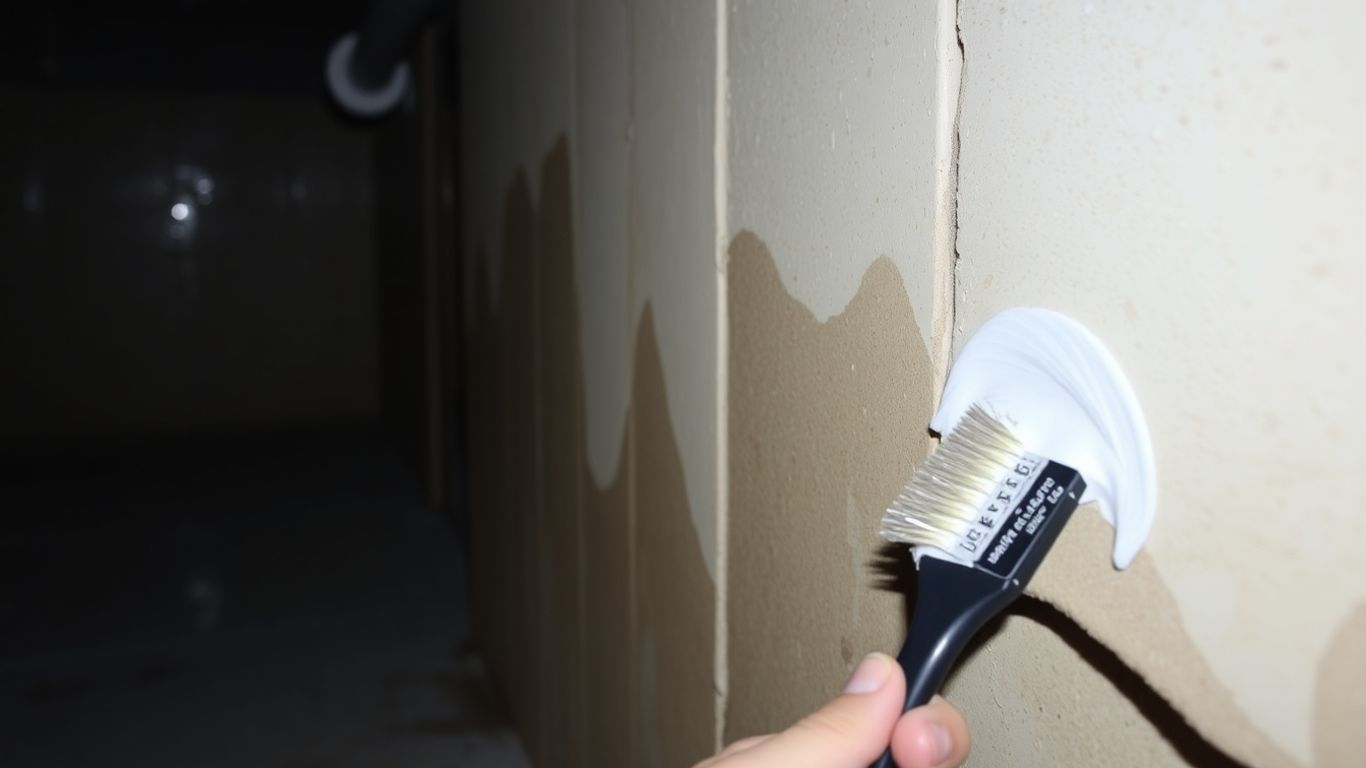
Even with solid exterior waterproofing, moisture can find its way inside our homes. Addressing interior moisture is just as important for preventing damage and maintaining a healthy living space. We’ll look at two key areas: the basement and the attic.
Basement Waterproofing Techniques
Basements are notorious for dampness. Water can seep through foundation walls, floor cracks, or even hydrostatic pressure pushing water up from below. Tackling basement moisture requires a multi-pronged approach.
Here are some common methods we can consider:
- Interior Sealants: Applying waterproof coatings or sealants directly to the interior basement walls can block minor leaks. This is often a good first step for less severe issues.
- Crack Injection: For noticeable cracks in the foundation walls or floor, injecting epoxy or polyurethane can seal them effectively. This is a more targeted repair.
- Sump Pumps: If water is entering from below or through significant leaks, a sump pump system can collect water and pump it away from the foundation. This is a more involved solution but very effective for persistent problems.
- Dehumidifiers: Running a good quality dehumidifier can help manage ambient moisture in the air, preventing condensation and mold growth, especially in finished basements.
Keeping your basement dry isn’t just about preventing structural damage; it’s also about your health. Mold and mildew thrive in damp environments, and their spores can cause respiratory problems.
Attic Ventilation and Insulation
Attics might seem far removed from water issues, but they play a significant role in moisture control for the entire house. Poor ventilation and inadequate insulation can lead to condensation, which then drips down, causing damage to ceilings and walls.
We need to pay attention to:
- Proper Ventilation: This involves a balance of intake vents (usually near the eaves) and exhaust vents (near the roof peak). This airflow helps remove warm, moist air that rises from the living space below, preventing condensation.
- Insulation: Adequate insulation acts as a barrier, keeping the warm air from your home from reaching the cold attic air. This significantly reduces the chance of condensation forming on the underside of the roof sheathing.
- Sealing Air Leaks: Before insulating, it’s wise to seal any gaps or cracks where warm air can escape from your living space into the attic. This includes around light fixtures, plumbing vents, and attic hatches.
| Component | Typical Issue | Solution | Cost Range (DIY) |
|---|---|---|---|
| Attic Ventilation | Blocked vents, insufficient intake/exhaust | Clear vents, add baffles, install ridge/soffit vents | $50 – $300 |
| Insulation | Gaps, insufficient R-value | Add blown-in or batt insulation, seal air leaks | $100 – $500 |
| Air Sealing | Gaps around penetrations | Use caulk or spray foam | $20 – $100 |
Wrapping Up Our Waterproofing Efforts
So, we’ve looked at a few ways to keep our homes dry without breaking the bank. It might seem like a lot, but tackling these projects now can save us a headache later. Think about it: a little bit of work now means fewer water stains and less worry when the next big storm hits. We can start small, maybe with sealing up some window frames or checking the gutters. It doesn’t have to be a huge overhaul all at once. By taking these steps, we’re making our homes stronger and more comfortable for the long haul. Let’s get to it and enjoy a drier season.
Frequently Asked Questions
What are the first steps we should take to stop water from getting into our house?
Our initial focus should be on the outside. We need to check for any cracks or openings in the foundation walls and seal them up tight. Also, we’ll want to make sure that rain water can easily flow away from our home’s base by checking and improving our gutters and the ground slope around the house.
How can we keep water out of our basement?
To keep the basement dry, we can apply waterproof coatings to the walls and floor. Sometimes, installing a drainage system inside the basement, like a sump pump, is necessary to collect and remove any water that might seep in. Proper sealing of windows and any entry points is also key.
Does the attic play a role in keeping our home dry?
Absolutely. A well-ventilated attic helps control moisture that can build up. Making sure there’s enough insulation also helps prevent condensation, which is like tiny water droplets forming on cold surfaces. Both these things work together to keep our home’s upper areas from getting damp.
Recent Comments