

As the colder months approach in Kentucky, we know that winter rain can bring its own set of challenges to our homes. Dealing with water intrusion can be a real headache, leading to damage and costly repairs if we’re not careful. We’ve put together some straightforward steps to help you get your house ready for the wet season. Following these tips can make a big difference in keeping your home dry and secure when the rain starts to fall. We’ll cover everything from your roof down to your basement, giving you practical advice to prepare.
Key Takeaways
- Regularly check and clear your gutters and downspouts, as well as your roof shingles, to prevent water buildup and potential leaks.
- Inspect your home’s foundation and basement for any cracks or issues, and consider applying waterproofing sealant or checking your sump pump and backwater valve.
- Manage your yard by trimming branches and clearing walkways, and protect window wells to stop water from entering your home.
1. Inspect Gutters And Downspouts
Before the heavy Kentucky rains start, we need to give our gutters and downspouts a good look-over. Clogged gutters are a major headache, leading to water backing up and potentially damaging your roof, walls, and even your foundation. We’ve found that a simple visual check can save a lot of trouble later.
Here’s what we usually do:
- Look for debris: Leaves, twigs, and other gunk can really build up. We try to clear out anything that looks like it could block water flow.
- Check for damage: We examine the gutters themselves for any sagging, cracks, or loose sections. Same goes for the downspouts – make sure they’re securely attached and not bent or broken.
- Test water flow: After clearing any blockages, we pour some water into the gutter to see if it flows freely down the downspout and away from the house. This step is key to spotting hidden clogs or drainage issues.
Sometimes, you might notice water pooling around your foundation after a rain. If that’s happening, your downspouts might not be directing water far enough away. We usually aim for at least five feet from the house. If they’re too short or just dumping water right at the base, it’s time to get some extensions.
We also pay attention to the hangers that hold the gutters in place. If they look rusty or bent, they might not be strong enough to hold the weight, especially when filled with water or ice. Replacing a few weak hangers is a small job that makes a big difference.
2. Seal Foundation Cracks
We all know Kentucky weather can be unpredictable, and winter rain is a big part of that. One area we often overlook is our home’s foundation. Over time, small cracks can form, and when winter rains hit, water can seep in. This can lead to bigger problems down the line, like structural damage or even mold growth in your basement.
Addressing these foundation cracks is a straightforward but important step in winter rainproofing. It doesn’t take much to check for them. Walk around your basement and look closely at the walls. You might be surprised what you find.
Here’s a simple approach we take:
- Identify the cracks: Look for any lines, no matter how small, running through the concrete walls. Pay attention to areas where pipes enter the foundation.
- Clean the area: Before sealing, make sure the crack is free of dirt and debris. A wire brush usually does the trick.
- Choose the right sealant: For minor cracks, a good quality polyurethane caulk or epoxy injection kit works well. For larger issues, we might consult a professional.
- Apply the sealant: Follow the product instructions carefully. For caulk, you’ll typically apply a bead directly into the crack. For injection kits, you’ll insert ports and inject the material.
We found that even hairline fractures can let in a surprising amount of water during heavy downpours. It’s really about being proactive before the real wet season hits.
Taking the time to seal these small openings prevents larger, more costly repairs later. It’s a small effort now that saves a lot of headaches in the future, especially when dealing with the persistent moisture that Kentucky winters bring.
3. Check Roof Shingles
We should take a good look at our roof shingles before the winter rains really start hammering down. Missing or damaged shingles are like an open invitation for water to sneak into our homes. It’s not just about leaks; water getting under shingles can cause rot and damage to the roof deck, which is a much bigger and more expensive problem to fix later on.
Here’s what we need to do:
- Walk around the house and look up at the roof. Try to spot any shingles that are curled, cracked, or just plain missing. Pay extra attention to areas around chimneys, vents, and valleys where water tends to collect.
- If you have a ladder and feel comfortable, a closer inspection might be needed. Look for granules that have washed off into the gutters – this is a sign the shingles are wearing out.
- Check for any dark spots or areas that look worn down. These can indicate where water might be getting through.
A few loose or damaged shingles can lead to significant water intrusion if left unchecked. It’s better to replace a few shingles now than to deal with water damage in our attic or walls later. If you’re not comfortable getting up on a ladder, it’s always a good idea to call a professional roofer to do this inspection for us. They have the right equipment and know what to look for.
4. Maintain Sump Pump
We often forget about the sump pump until it’s too late, and then we’re dealing with a flooded basement. This little machine is our basement’s best friend during heavy rains, so we need to give it some attention before winter really kicks in.
First off, we should check if the pump is actually turning on. Sometimes, just a quick test run is needed. We can do this by pouring a bucket of water into the sump pit. If it doesn’t kick on and start pumping the water out, there’s a problem. We need to make sure the float switch isn’t stuck or obstructed. It needs to move freely to signal the pump when to work.
We also need to inspect the discharge pipe. Make sure it’s not blocked by leaves, ice, or debris. If the water can’t get out, the pump can’t do its job, and that water will just back up into the pit. We should also check for any cracks in the pit itself or the pump housing. Small cracks can let water in where it shouldn’t be.
It’s a good idea to test the backup power source too, if we have one. Whether it’s a battery backup or a connection to a generator, we want to know it’ll work if the main power goes out during a storm.
A well-maintained sump pump is a simple but effective way to prevent water damage. We shouldn’t wait for a problem to arise; a little preventative care goes a long way.
Here are a few things we should look for:
- Is the pump clean and free of debris?
- Does the float switch move without getting stuck?
- Is the discharge line clear and properly directed away from the house?
- Is the electrical connection secure and dry?
Regular checks like these can save us a lot of headaches and costly repairs down the road.
5. Clear Driveways And Walkways
We often focus on the house itself when winterizing, but let’s not forget about the paths leading to and from it. Keeping our driveways and walkways clear isn’t just about convenience; it’s a safety measure, especially when rain turns to ice.
We need to make sure water has a place to go. If your driveway slopes towards your house, standing water can seep into the foundation. The same goes for walkways. We should check that the ground around them isn’t holding water and that there are no low spots where puddles can form and freeze.
Here are a few things we can do:
- Clear away any debris like leaves or fallen branches that might be blocking drainage.
- Check for any cracks or holes in the pavement that could collect water.
- Ensure that any drains or grates along the driveway or walkways are free of obstructions.
Proper drainage here helps prevent ice buildup and protects your home’s foundation. It might seem like a small thing, but a clear path makes a big difference when the weather turns sour. We want to avoid slips and falls, and also stop water from getting where it shouldn’t be. Think about the flow of water – where is it going? We want it moving away from our homes, not pooling up.
6. Trim Overhanging Branches
We often forget about the trees around our homes, but their branches can cause real problems when winter rains hit Kentucky. Overhanging limbs can collect leaves and debris, which then get washed down into our gutters. This blockage can lead to water backing up and potentially damaging your roof or siding.
It’s a good idea to take a look at the trees bordering your property, especially those with branches reaching over your house. We want to make sure these aren’t creating a direct path for water to pool on your roof or clog your drainage system. Think about the weight of wet leaves and snow – it adds up.
Here’s what we should check:
- Branches that hang directly over the roof.
- Limbs that are close to power lines (this is a safety hazard too).
- Any dead or weak branches that could break off in strong winds or heavy rain.
We should also consider the type of trees we have. Some trees shed more leaves or pine needles than others, meaning more potential for clogs.
Keeping trees trimmed back from the house isn’t just about aesthetics; it’s a practical step in preventing water damage. We don’t want fallen branches becoming dams for rainwater or creating weak spots on our roof.
If you have large trees or branches that seem difficult to reach, it’s best to call a professional arborist. They have the right equipment and know-how to trim them safely and effectively. We’d rather not risk a fall or damage to the tree itself.
7. Install Window Well Covers
Basement windows are often overlooked when we think about winter rainproofing, but they can be a weak spot. If you have window wells around your basement windows, they can easily fill up with rain and snowmelt, putting pressure on the glass and potentially seeping into your basement. Installing window well covers is a simple yet effective way to prevent this.
These covers act as a barrier, keeping water and debris out of the well. They come in various materials, like sturdy plastic or metal, and can be custom-fit or bought as standard sizes. When choosing a cover, think about durability and how well it will fit your specific window well. Some covers are designed to slope, helping water run away from the foundation.
Here’s what we consider when looking at window well covers:
- Material: Look for strong, weather-resistant materials that won’t crack or warp easily.
- Fit: A snug fit is important to keep out as much water and debris as possible.
- Drainage: Some covers have built-in drainage or are designed to allow water to flow away.
- Safety: Ensure the cover doesn’t create a tripping hazard and can be removed easily in an emergency.
We found that a good quality plastic cover, properly secured, made a noticeable difference in keeping our window wells dry during heavy downpours. It’s a small step that really helps protect the basement from water damage, especially during those unpredictable Kentucky winter storms.
8. Check Basement Windows
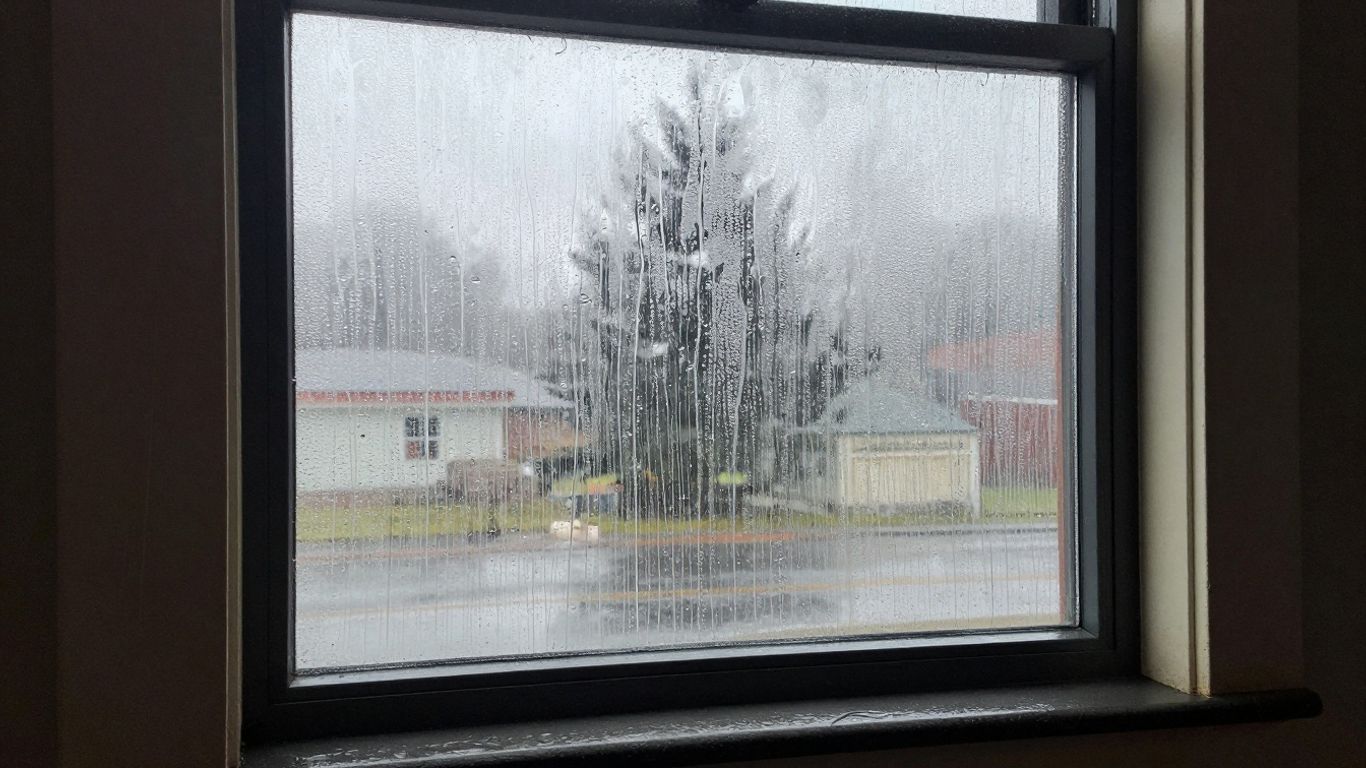
Basement windows often get overlooked, but they can be a weak spot when heavy rains hit Kentucky. We need to make sure these are sealed up tight. Think about it: water wants to go down, and if there’s a gap around your basement windows, that’s exactly where it’ll find its way in. We’ve seen it happen too many times – a little trickle turns into a big problem pretty fast.
Here’s what we should be looking at:
- Inspect the frames: Look for any signs of rot or damage. Old wooden frames can swell and crack, creating openings for water.
- Check the seals: The caulk or sealant around the window frame is our first line of defense. If it’s old, brittle, or peeling away, it needs to be redone.
- Examine the glass: Make sure the glass itself is intact and properly set in the frame. Any cracks or loose panes are an invitation for water.
We really need to pay attention to the caulking around these windows. It’s a simple fix that can prevent a lot of headaches later on. If you notice any gaps, even small ones, get them sealed up. We recommend using a good quality exterior caulk that’s made to withstand the elements. It’s not a bad idea to reapply it every few years anyway, just to be safe. Don’t forget to check the interior side too, especially if you have older windows that might have multiple layers of trim.
Sometimes, especially with older homes, the windows might not sit perfectly flush anymore. In those cases, we might need to consider a more robust solution than just caulk. Maybe a small bead of exterior-grade silicone or even a specialized window sealant could do the trick. It’s all about creating a solid barrier against the rain.
9. Apply Waterproofing Sealant
We should think about applying a waterproofing sealant to the exterior of our home’s foundation. This is a good step to take, especially if we’ve noticed any dampness in the basement or crawl space. It acts as another barrier against the persistent Kentucky rains.
Here’s a basic rundown of how we can approach this:
- Preparation is key. We need to make sure the foundation walls are clean and dry before we start. Any dirt, old paint, or loose material needs to be removed. We might need to power wash it or use a stiff brush.
- Choose the right product. There are different types of sealants available. Some are cementitious, others are acrylic-based. We should look for one specifically designed for foundation waterproofing and suitable for our climate.
- Application matters. Most sealants can be applied with a roller, brush, or sprayer. We’ll want to follow the manufacturer’s instructions carefully, paying attention to the recommended thickness and drying times between coats.
This extra layer of protection can make a big difference in keeping our basement dry all year round. It’s not a magic bullet, but combined with other measures, it really helps. We’re looking at this as a proactive measure, something to do before we have bigger problems down the line. It might seem like a lot of work, but preventing water damage is usually less costly than fixing it later.
10. Test Backwater Valve
We should also check our backwater valve. This little device is a real lifesaver when the sewer system gets overwhelmed during heavy rains, which happens more often than we’d like here in Kentucky. It’s designed to stop sewage from backing up into our homes through the drain lines.
Here’s how we can test it:
- Locate the valve. It’s usually in the basement or crawl space, near where the main sewer line exits the house. You might need to lift a cover or plate to see it.
- Inspect for debris. Make sure there’s nothing blocking the flap or mechanism. Sometimes leaves or other gunk can get stuck.
- Perform a water test. The best way to check if it’s working is to run a lot of water down a drain that feeds into it, like a bathtub or utility sink. While the water is running, carefully check the valve itself. You should see the flap close as the water tries to back up, and then open again once the flow stops. If you see any water coming back up or the flap doesn’t move correctly, it’s time to call a professional.
This isn’t a complicated job, but it’s one of those things that can prevent a really nasty, expensive mess. We don’t want to deal with sewage in our basements, especially after a storm.
A properly functioning backwater valve is a key defense against sewer backups, particularly during periods of heavy precipitation. Regular checks help maintain its effectiveness and protect our homes from potential damage and unsanitary conditions.
Wrapping Up Our Winter Rainproofing Efforts
So, we’ve gone over a few ways to get our homes ready for Kentucky’s wet winter. It might seem like a lot, but taking these steps now can really save us headaches later. Think about checking those gutters, sealing up any drafts, and making sure our basements are in good shape. A little bit of work before the heavy rains hit can make a big difference in keeping our houses dry and comfortable. We hope these tips help you feel more prepared for whatever the weather throws our way this season.
Frequently Asked Questions
Why is it important to prepare our homes for Kentucky’s rainy season?
When the rain starts pouring, we want to make sure our homes stay dry and safe. Taking steps now helps prevent water from getting inside, which can cause a lot of damage like mold or even weaken our house’s structure. It’s all about keeping our living spaces cozy and protected from the wet weather.
How often should we check our roof and gutters?
We should give our roof and gutters a good look at least twice a year, especially before the heavy rain season hits. Checking for loose shingles or clogged gutters is key. If we see any problems, it’s best to fix them right away to avoid bigger issues down the road. Think of it as giving our house a health check-up!
What can we do if we notice water in our basement?
If water finds its way into our basement, it’s a sign we need to act fast. First, we should figure out where the water is coming from. It might be a crack in the foundation, a leaky window, or a sump pump that isn’t working right. We might need to seal up any cracks, make sure our sump pump is ready to go, or even look into better window protection to keep the water out.
Recent Comments