

When the Ohio River swells, our basements can become vulnerable. We’ve all seen the news reports and the rising water levels. It’s a situation that demands our attention, especially when it comes to protecting our homes. We need to be aware of the signs that water might be trying to make its way into our basements. Early detection is key to preventing bigger problems down the line, and understanding these warnings can save us a lot of trouble and expense. This article will help us spot those early signs and know what to do about basement leak repair.
Key Takeaways
- Watch for damp spots on walls, musty smells, or water pooling in your basement as early signs of leaks during high water events.
- Rising groundwater can put pressure on your foundation, leading to cracks and more significant water intrusion if not addressed.
- Prompt basement leak repair and taking preventative steps are important for protecting your home from future high water damage.
Recognizing Basement Leak Warnings During Ohio River High Water
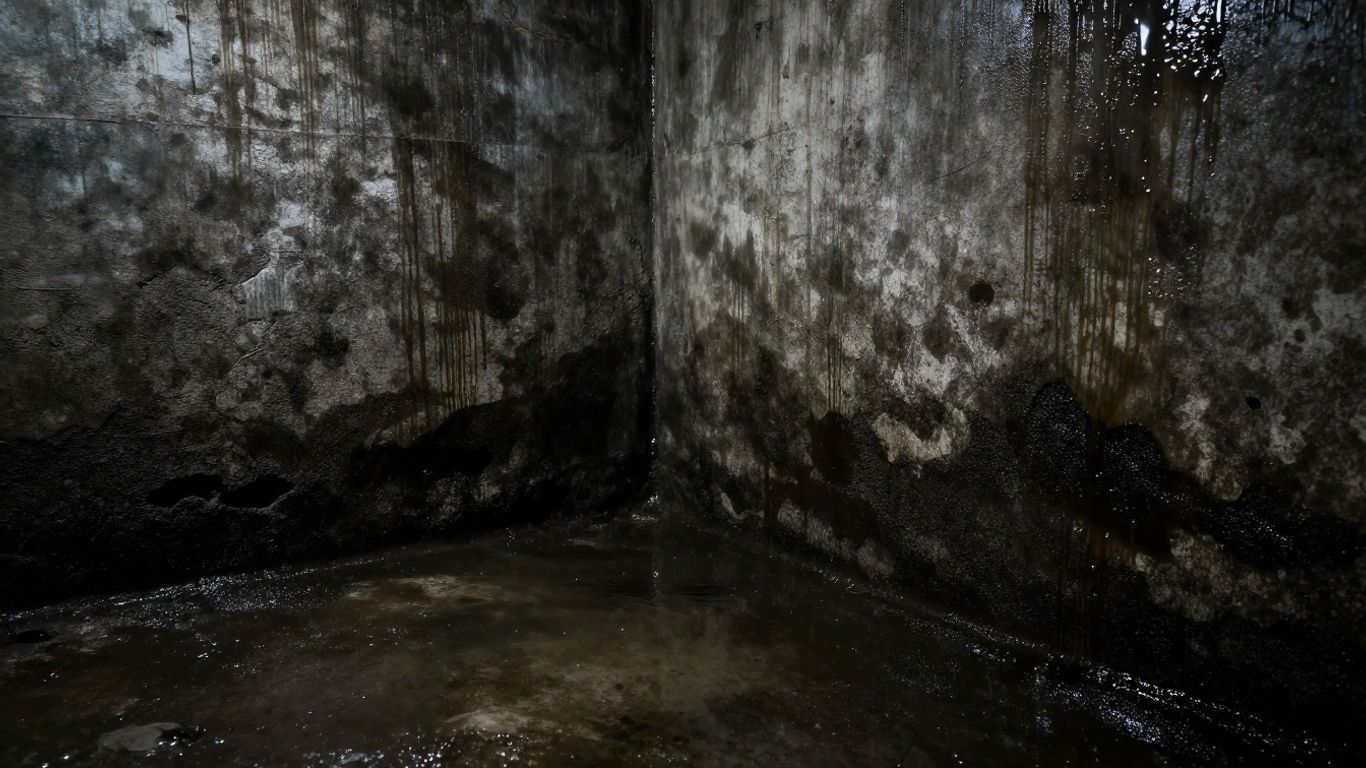
When the Ohio River starts to swell, our basements can become the first place we notice trouble. We need to be aware of the signs that water is trying to make its way in. It’s not always a dramatic flood; sometimes, it’s much more subtle.
Early Indicators of Water Intrusion
We should keep an eye out for a few key things. The most obvious is dampness on the walls or floor. This might start as a slight discoloration or a feeling of clamminess. You might also notice a musty smell, which is a classic sign of mold or mildew starting to grow because of excess moisture. Sometimes, we see small puddles forming, even if it hasn’t rained directly on our property. Peeling paint or crumbling concrete on the walls are also indicators that moisture has been present for a while.
- Visible damp spots on walls or floor
- Musty or earthy odors
- Water stains or discoloration
- Peeling paint or wallpaper
- Cracks in the foundation walls
The Impact of Rising Groundwater on Your Foundation
High water levels in the Ohio River don’t just affect the riverbanks; they can push groundwater levels up significantly. This rising groundwater puts pressure on our home’s foundation from the outside. Think of it like a sponge being squeezed. This pressure can force water through tiny cracks or even porous concrete that we might not have noticed before. Over time, this constant pressure can weaken the foundation itself, leading to more serious structural issues. We might see new cracks appear, or existing ones widen. It’s important to remember that even if we don’t see water actively pouring in, the pressure from saturated soil is a serious warning sign.
We need to treat any sign of moisture in the basement during high water events as a serious alert. Ignoring these early warnings can lead to bigger, more expensive problems down the road, affecting not just the basement but the entire structure of our homes.
Addressing Basement Leak Repair Needs Promptly
When the Ohio River swells, our basements can become the first line of defense, and unfortunately, sometimes the first to show signs of trouble. We’ve seen it happen: that damp smell, a small puddle, or even water seeping through the walls. Ignoring these early warnings can lead to much bigger, more expensive problems down the road. It’s easy to put off, especially when the water recedes, but addressing basement leaks quickly is key to protecting our homes.
When to Seek Professional Basement Leak Repair
Sometimes, a minor damp spot can be managed with some DIY effort, but other times, it’s best to call in the pros. We’ve learned that certain situations call for expert help:
- Persistent dampness: If the moisture doesn’t dry up after a few days or keeps returning, it’s a sign of a deeper issue.
- Visible cracks or crumbling: Seeing cracks in the foundation walls or floor, especially if they’re widening, needs immediate attention.
- Mold or mildew growth: This isn’t just unsightly; it’s a health hazard and indicates a moisture problem that needs professional assessment.
- Significant water pooling: If you have more than just a small puddle, like standing water or water flowing in, it’s time to call for help.
We found that trying to fix major foundation issues ourselves often made things worse. Professionals have the tools and knowledge to pinpoint the exact source of the leak and apply the right fix, whether it’s sealing cracks, improving drainage, or reinforcing the foundation.
Preventative Measures for Future High Water Events
After dealing with a leak, we always look for ways to prevent it from happening again. It’s about being proactive, especially with the river’s unpredictable nature. Here are some things we’ve found helpful:
- Improve exterior drainage: Make sure gutters are clean and downspouts direct water well away from the foundation. Grading the soil around your house so it slopes away from the foundation is also a good idea.
- Install or maintain a sump pump: A working sump pump is a basement’s best friend during wet periods. We check ours regularly to make sure it’s operational and that the discharge line isn’t blocked.
- Seal foundation cracks: Even small cracks can let water in. We’ve used hydraulic cement or epoxy injection for minor cracks, but for larger ones, we consult professionals.
- Consider waterproofing systems: For persistent problems, interior or exterior waterproofing membranes can provide an extra layer of defense.
Taking these steps might seem like a lot of work, but they save us a lot of worry and potential damage when the river levels rise. It’s about peace of mind knowing our basement is as protected as it can be.
Wrapping Up: Staying Ahead of Basement Water
So, we’ve talked about what to look out for when the Ohio River starts to rise and how that might affect our basements. It’s not fun to think about, but knowing the signs can really make a difference. We’ve covered things like damp spots, musty smells, and even visible water. If you see any of these, it’s probably time to take a closer look. We don’t want any surprises, especially when the weather’s bad. Keeping an eye on your basement during high water periods is just part of being a homeowner around here. Let’s all try to stay dry and safe.
Frequently Asked Questions
What are the first signs that water might be getting into our basement when the Ohio River is high?
We should keep an eye out for damp spots on the walls or floor, especially near the bottom. Sometimes, you might notice a musty smell, which means moisture is likely present. Small puddles or even just a general feeling of humidity in the air can also be early warnings that we need to pay attention to.
How does the river’s water level affect the ground around our house and potentially our basement?
When the Ohio River swells, the water soaks into the ground all around us. This rising groundwater can push against our basement walls and floor. If there are any small cracks or weak spots, the water pressure can force its way through, leading to leaks. It’s like the ground itself is trying to squeeze water into our basement.
When should we call a professional to fix a basement leak, and what can we do to prevent future problems during flood times?
We should call for help if the leak is significant, if water is coming in quickly, or if we see signs of mold. For prevention, we can check our basement’s drainage system to make sure it’s working well. Sometimes, improving the grading around our house so water flows away from the foundation is a good idea. Sealing any cracks we find in the walls or floor can also make a big difference before the next high water event.
Recent Comments