

When storm season hits, we all start to worry about our basements. Water sneaks in fast and can ruin a lot in a short time. We’ve learned the hard way that small fixes aren’t always enough. If we’re going to keep our homes safe and dry, it’s time to look at real basement waterproofing solutions that actually work when it counts.
Key Takeaways
- Upgrading to a modern sump pump with battery backup and water sensors can save us from big headaches during power outages.
- Sealing the basement from both inside and outside helps keep water out for good, especially when storms keep coming.
- Simple things like better gutters and longer downspouts can make a big difference in keeping our basements dry.
Modern Sump Pump Systems for Enhanced Protection
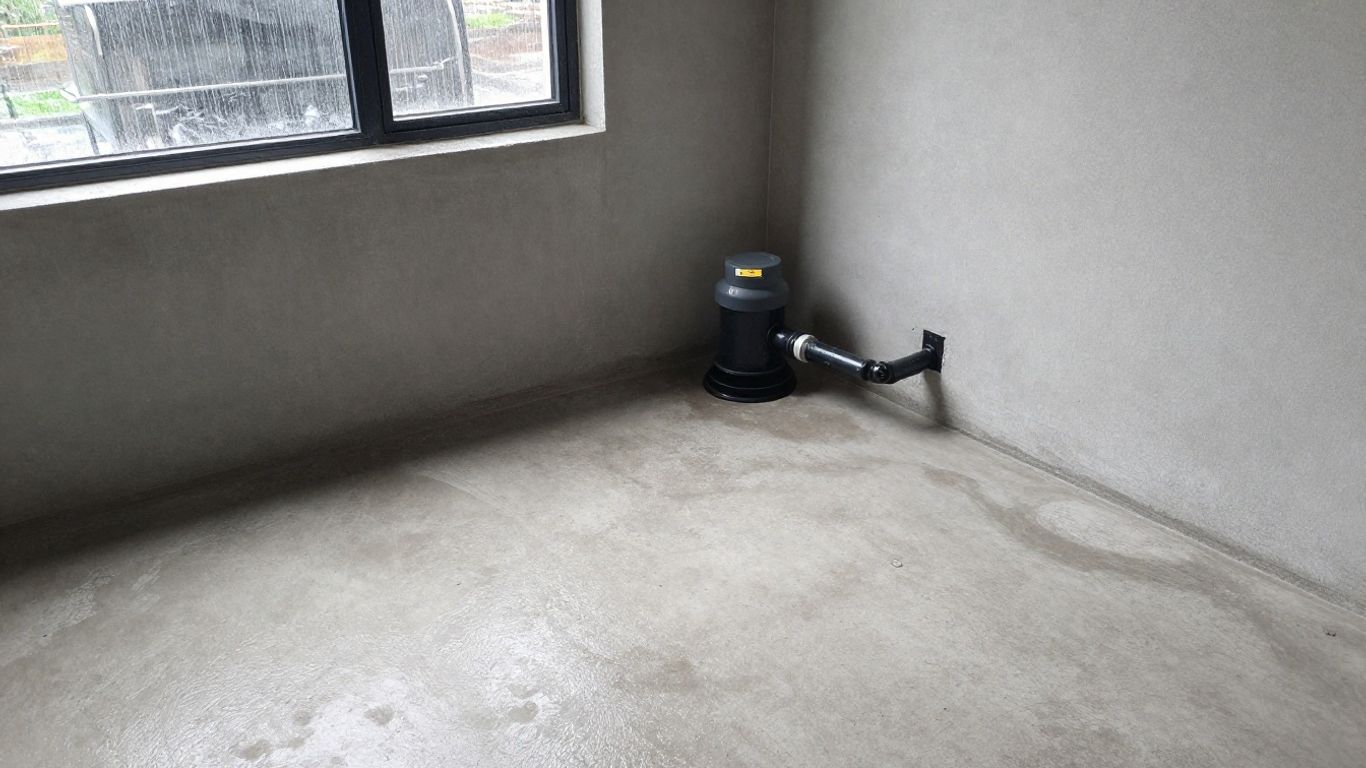
When storm season rolls around, the last thing we want is a flooded basement. A good sump pump system is really our first line of defense. We’ve seen a lot of changes in these systems over the years, and the newer ones are pretty impressive. They’re designed to handle serious water, keeping our homes drier and safer.
Battery Backup Options for Power Outages
We all know that storms often come with power outages. That’s where a battery backup system for your sump pump becomes a lifesaver. Without power, a standard sump pump just stops working, leaving your basement vulnerable. A battery backup kicks in automatically when the main power goes out, keeping the pump running.
- Automatic Switchover: The system detects power loss and starts the battery immediately.
- Extended Run Time: Depending on the battery size and pump usage, it can keep your basement dry for hours, sometimes even a full day or more.
- Peace of Mind: Knowing your pump will work even when the lights are out is a huge relief during a storm.
We recommend checking the battery’s charge and condition at least twice a year, especially before the rainy season starts. It’s a simple maintenance step that makes a big difference.
Smart Sensors That Detect Rising Water
Beyond just the pump itself, there are now smart sensors that add another layer of protection. These little gadgets can monitor water levels and even alert us if something isn’t right. They’re a step up from just relying on the pump to do its job.
- Early Warning System: Sensors can detect rising water before it reaches the sump pit, giving us a heads-up.
- System Monitoring: Some smart systems can also monitor the sump pump’s performance and alert us if it’s not working correctly or if the battery backup is low.
- Remote Notifications: Many systems can send alerts directly to our phones, so we know what’s happening even when we’re not home.
These smart features aren’t just about convenience; they’re about proactive protection. Catching a problem early, like a pump failure or a sudden surge of water, can prevent significant damage and costly repairs down the line. It’s about being one step ahead of the weather.
Here’s a quick look at what a modern system might include:
| Feature | Benefit |
|---|---|
| Primary Sump Pump | Removes groundwater from the basement |
| Battery Backup | Operates during power outages |
| Water Level Sensor | Monitors water in the pit, triggers pump |
| Wi-Fi Connectivity | Allows for remote monitoring and alerts |
| Alarm System | Notifies of high water or pump failure |
Sealing and Excavation: Proven Basement Waterproofing Solutions
When storm season rolls through, we want a basement that stays dry. Heading straight to the source of leaks and seepage with sealing and excavation is still one of the most effective ways to keep water out, and let’s be honest, gives us peace of mind. We’ve seen up close how water finds its way inside through even the smallest cracks or weak spots in the foundation, but there are ways to stop it right there.
Exterior Drainage Enhancements for Long-Term Results
If we keep seeing puddles in the same spot, or water marks creeping up the basement wall, our first thought should be about what’s happening outside. Working on exterior drainage means we’re stopping water before it ever gets close to the inside. Some proven upgrades include:
- Excavating around the foundation to install a proper drainage system like a French drain or weeping tile. This is a bigger project but pays off in the long haul.
- Applying a heavy-duty waterproof membrane to the outside wall. This keeps moisture out but lets the wall “breathe.”
- Backfilling with gravel or porous soil, which helps direct water away from the home rather than trapping it next to the wall.
| Upgrade | Upfront Cost (USD) | Average Lifespan | Ongoing Maintenance |
|---|---|---|---|
| Exterior Drain Tile | $5,000-$15,000 | 20+ years | Low |
| Waterproof Membrane | $2,000-$8,000 | 10-15 years | Minimal |
We’ve found exterior drainage enhancements work best if the grading around the home slopes away from the walls, so we always check that first before spending more than we need to.
Interior Sealants That Block Moisture Intrusion
For those of us who want less mess or can’t do big exterior work, there are ways to block moisture from inside too. Interior sealants work well as part of a layered approach—think of them as the backup plan if water gets through from outside.
- Concrete sealers: Rolled or sprayed onto interior walls and floors. These work by filling tiny pores as the sealant dries, creating a water-resistant layer.
- Epoxy injections: Used for filling foundation cracks, especially where water is coming through. Epoxy bonds tightly with concrete for a long-lasting fix.
- Vapor barriers: Large plastic sheets can cover basement walls, trapping moisture before it enters the room, which is especially helpful in older homes.
Pairing exterior systems with smart interior solutions gives us our best odds at keeping the basement dry no matter how wild the weather gets. When we invest in these strategies, we’re really buying time—less worry now, fewer repairs down the road.
Upgrading Gutters and Downspouts to Support a Dry Basement
When we talk about guarding our basements from water, gutters and downspouts often get forgotten. Still, they play a huge part in keeping stormwater away from our foundations. A small problem up above, like a clog or leak, can mean big trouble down below once heavy rain shows up. Taking the time to make a few targeted upgrades outdoors can save us costly repairs inside our homes down the line.
Gutter Extensions to Divert Rainwater Away
Sometimes, we notice water pooling right next to the house after a big rain. That’s usually a sign the gutters aren’t emptying far enough away from the foundation. Adding or upgrading gutter extensions can change this immediately.
- Extensions should keep rainwater at least 4-6 feet from your house.
- Flexible options are great for odd corners or garden beds.
- Check and clean connections each season for blockages.
Tip: If extensions look messy, try burying special drains underground for the same effect, just out of view.
Downspout Drainage Improvement Techniques
Downspouts do the heavy lifting, but if water doesn’t move away quickly, it seeps into the soil and eventually into our basements. Improving this setup is usually simple:
- Install concrete or plastic splash blocks under each downspout.
- Use underground piping to connect downspouts directly to street drains or storm sewers.
- Regularly check all downspout elbows and joints for loose fittings or debris.
| Downspout Upgrade | Average Cost | Lifespan |
|---|---|---|
| Splash Block | $10-$25 | 10-15 years |
| Flexible Extension | $15-$40 | 5-10 years |
| Underground Drainage | $200-$800 | 20+ years |
We shouldn’t wait for a flooded basement before updating our gutter and downspout system. A weekend or two spent making small improvements can make a big difference—especially when the next storm rolls in.
Wrapping Up
So, we’ve talked about a few ways to get our basements ready for whatever the weather throws at us. It might seem like a lot, but taking these steps now can save us a big headache later. Think about it: no more worrying about soggy floors or ruined belongings when the rain starts pouring. We can feel more confident knowing our homes are protected. It’s about peace of mind, really. Let’s get those basements in shape before the next big storm hits.
Frequently Asked Questions
Why is a battery backup for our sump pump so important when storms hit?
When heavy rains come, especially during a storm, the power can sometimes go out. A battery backup for our sump pump acts as a safeguard. If the main power fails, the battery takes over, ensuring the pump continues to remove water from our basement. This helps prevent flooding and water damage even when the electricity is off.
How can upgrading our gutters and downspouts help keep our basement dry?
Gutters and downspouts are like the first line of defense against rainwater. If they are old, clogged, or not set up correctly, water can spill over and pool around our home’s foundation. By upgrading them, perhaps with extensions that carry water further away from the house, we make sure that water is directed safely downhill, away from our basement walls and floor.
What’s the difference between sealing from the outside versus the inside of our basement?
Waterproofing the outside usually involves digging around our foundation to apply a waterproof barrier. This is great for stopping water before it even reaches the walls. Waterproofing the inside often uses special sealants or materials applied to the interior walls and floor. This method works by blocking any moisture that has already made its way through the foundation, keeping our basement dry from the inside out.
Recent Comments