

As spring arrives, so does the rain. We’ve noticed that with the wet weather, our basement walls sometimes show signs of bowing. It’s a common issue, especially when the soil around our homes gets saturated. We want to talk about what we’re seeing and what it means for our homes. Understanding these signs can help us address potential problems before they become bigger headaches, and that includes knowing when we might need basement wall repair.
Key Takeaways
- We can spot basement wall bowing by looking for cracks. Horizontal cracks are a big red flag. Diagonal cracks or stair-step patterns in masonry walls also point to trouble.
- The soil around our homes, particularly clay, soaks up water. This water makes the soil swell, pushing against the basement walls. Spring rains just make this swelling worse, increasing pressure.
- It’s smart to address bowing walls early. Small signs might mean a simpler fix. For noticeable bowing or damage, getting a professional opinion for basement wall repair is the best way to go.
Recognizing Signs of Basement Wall Bowing
As the spring rains arrive, we often see an increase in hydrostatic pressure against our basement walls. This pressure, especially in areas with clay-rich soil, can cause our walls to bow inward. It’s important to know what to look for so we can address potential problems before they get serious.
Identifying Horizontal Cracks
One of the most telling signs of bowing is the appearance of horizontal cracks. These cracks typically run straight across the wall, parallel to the floor and ceiling. They form because the outward pressure from the soil is pushing the wall inward, and the wall’s structure can only take so much before it starts to fracture horizontally. These cracks are a strong indicator that your basement wall is under significant stress.
Observing Diagonal Cracks and Stair-Step Fractures
Sometimes, bowing doesn’t just result in straight horizontal cracks. We might also notice cracks that run diagonally, often starting from the top or bottom of the wall and moving towards the center. In block or brick walls, these cracks can look like a series of small, jagged lines resembling a staircase – hence, stair-step fractures. These patterns show how the wall is being pushed and pulled, leading to breaks along the mortar lines or within the blocks themselves. It’s a clear sign that the wall’s integrity is compromised.
When we see these types of cracks, it’s not just a cosmetic issue. It means the forces acting on the wall are substantial and could lead to more severe structural problems if left unchecked. We need to pay attention to these warnings.
Here are some common places to check for these signs:
- Along the length of your basement walls, especially the ones facing the exterior of your home.
- Near corners where walls meet.
- Around windows or other openings in the wall, as these can be weak points.
We should also be mindful of any dampness or water seepage that might accompany these cracks, as this often indicates that the pressure is also forcing water through the wall.
Understanding Soil Expansion and Its Impact on Basement Walls
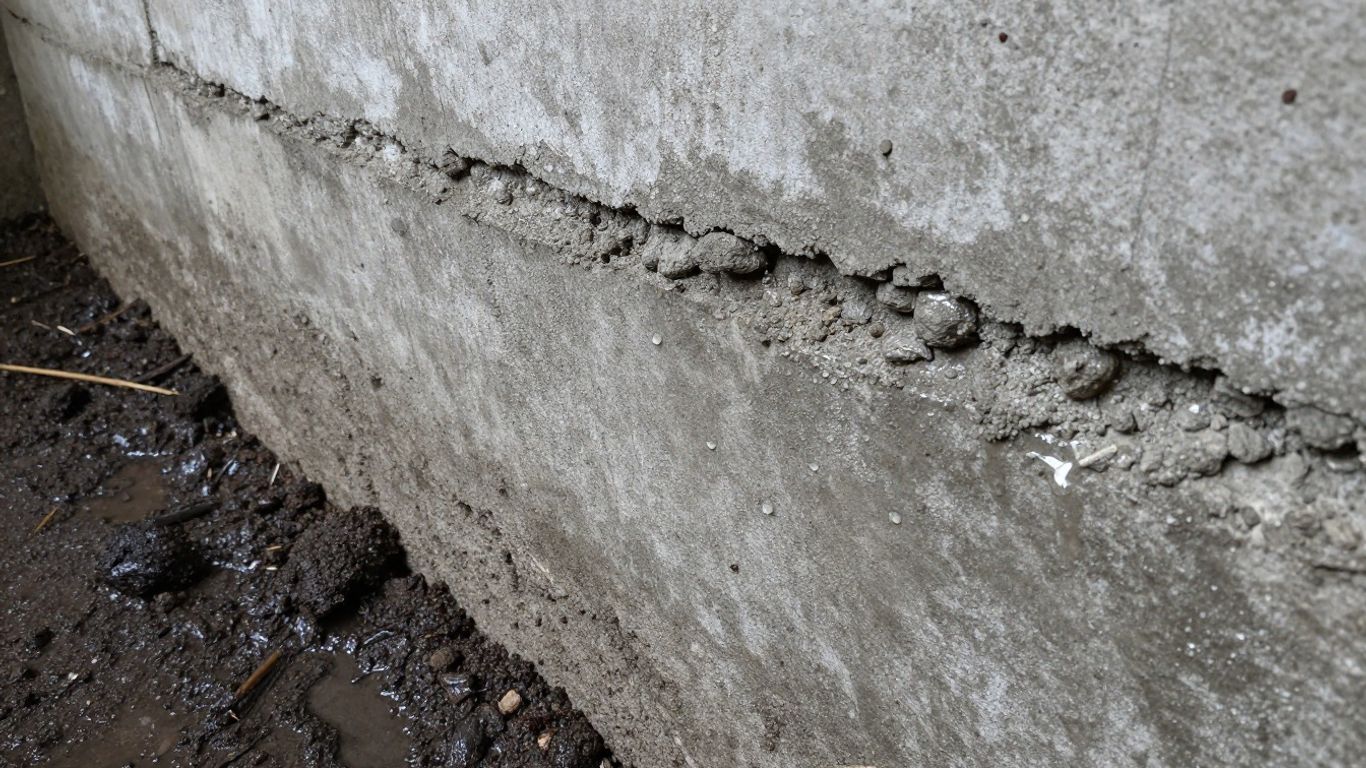
We’ve all seen how the ground can get soggy after a good spring rain. It’s not just a little dampness; the soil itself can actually swell up. This happens because of the type of soil we have around our homes, especially clay. Clay particles are tiny and flat. When they get wet, they absorb a lot of water and push apart, creating pressure. Think of it like a sponge, but much, much stronger.
The Role of Clay Soils in Hydrostatic Pressure
Clay soils are the main culprits when we talk about this kind of pressure on basement walls. These soils have a high capacity to hold water. As the water seeps in, the clay particles expand. This expansion pushes outward against anything in its path, including your basement walls. This outward force is what we call hydrostatic pressure. It’s the pressure exerted by water at rest. When the soil around your foundation becomes saturated, it acts like a heavy, wet blanket pressing in.
- Clay soils have a unique structure that allows them to absorb and hold significant amounts of water.
- This water absorption causes the soil particles to spread apart.
- The spreading creates immense outward pressure on basement walls.
How Spring Rains Exacerbate Soil Swelling
Spring rains are particularly problematic because they often come after a dry spell or a cold winter. The ground might be frozen or compacted, making it harder for water to drain away quickly. When the rain starts, it saturates the surface layers first. If you have clay soil, this water gets trapped. The clay then begins its expansion process. This swelling can be quite substantial, especially if the rains are heavy and prolonged. We’ve seen situations where the pressure builds up enough to actually cause the walls to bow inward.
The cycle of wetting and drying can also weaken basement walls over time. As the soil expands and contracts, it puts repeated stress on the foundation. This constant push and pull can lead to cracks and other damage that might not be immediately obvious.
Here’s a breakdown of what happens:
- Rainfall: Water saturates the soil surrounding the foundation.
- Clay Absorption: Clay particles absorb water and begin to swell.
- Pressure Build-up: The swelling soil exerts outward hydrostatic pressure on the basement walls.
- Wall Movement: If the pressure is great enough, the walls can start to bow or crack.
When to Consider Basement Wall Repair
We’ve talked about how spring rains can make the soil around our homes swell, and how that can push on basement walls, sometimes causing them to bow inward. It’s a bit unsettling to see, and it makes us wonder when it’s time to actually do something about it. Ignoring it might seem like the easy route, but we know that can lead to bigger problems down the road.
Early Intervention for Minor Bowing
Sometimes, you might notice a small crack or a slight curve in your basement wall. It might not look like much, and you might think, ‘Can I just patch this up?’ For very minor bowing, where the wall hasn’t moved much and the cracks are hairline, we might be able to address it with some simpler fixes. Think about reinforcing the wall from the inside. We could use carbon fiber straps, which are strong and don’t take up much space. Another option is to install wall anchors, which are metal rods that go from the bowing part of the wall out into the soil, pulling the wall back into place over time. Catching these issues early is key because it usually means less expensive and less invasive repairs. It’s like fixing a small leak before it floods the whole basement.
Professional Assessment for Significant Damage
Now, if you’re seeing more serious signs, like wide cracks, cracks that are growing, or a wall that’s bowing significantly – maybe more than an inch or two – it’s definitely time to call in the pros. We’re talking about situations where the structural integrity of your home could be at risk. A professional assessment will involve someone who really knows their stuff looking at the extent of the damage, the type of soil you have, and the best way to fix it permanently. They might suggest:
- Steel beam reinforcement: These are installed vertically against the wall to provide strong support.
- Hydraulic wall pushing: This is a more involved process to push the wall back into its original position.
- External excavation and waterproofing: Sometimes, the best solution is to dig down from the outside, fix the wall, and add better drainage to prevent future water issues.
We’ve learned that trying to guess the best repair method can be a mistake. It’s better to get a few opinions from reputable basement repair companies. They can explain the long-term implications of each repair and give you a clear picture of what to expect.
Don’t wait until you see water seeping through those cracks or hear creaking sounds. If you’re unsure about the severity of your basement wall bowing, it’s always wise to get a professional opinion. They can help us understand exactly what’s happening and what needs to be done to keep our homes safe and sound.
What to Do Next
As we’ve seen, those spring rains can really do a number on our basement walls. It’s not just a little bit of dampness; sometimes, the soil around our homes swells up so much it pushes inward. We’ve talked about what to look for – those cracks, the bowing, maybe even water seeping in. If you’re spotting any of these signs, it’s probably a good idea to get a professional to take a look. Ignoring it might just make things worse down the road, and nobody wants that. Taking action now can save a lot of headaches and money later on. So, keep an eye on those walls, especially after a good soaking, and don’t hesitate to call in an expert if you’re worried.
Frequently Asked Questions
What exactly causes our basement walls to bend inward?
We often see basement walls start to bulge or bend inward because the soil outside them gets really wet, especially after heavy spring rains. This wet soil pushes against the wall with a lot of force, like a big hug that’s too strong. If the soil has a lot of clay, it acts like a sponge, holding onto water and expanding even more, which adds extra pressure.
How can we tell if our basement walls are starting to bow?
We should look for some tell-tale signs. Keep an eye out for cracks that run straight across the wall, kind of like a shelf. Also, watch for cracks that go up and down diagonally, or zig-zag patterns that look like steps. Sometimes, you might even see the wall itself starting to lean inward. These are all signals that something is pushing on the wall.
When should we worry about bowing basement walls and get help?
It’s best to address the issue as soon as we notice any signs, even small ones. Early fixes are usually simpler and less costly. However, if we see big cracks, a noticeable bend in the wall, or if the problem seems to be getting worse quickly, we absolutely need to call in experts. They can figure out exactly what’s going on and how to fix it properly to keep our homes safe.
Recent Comments